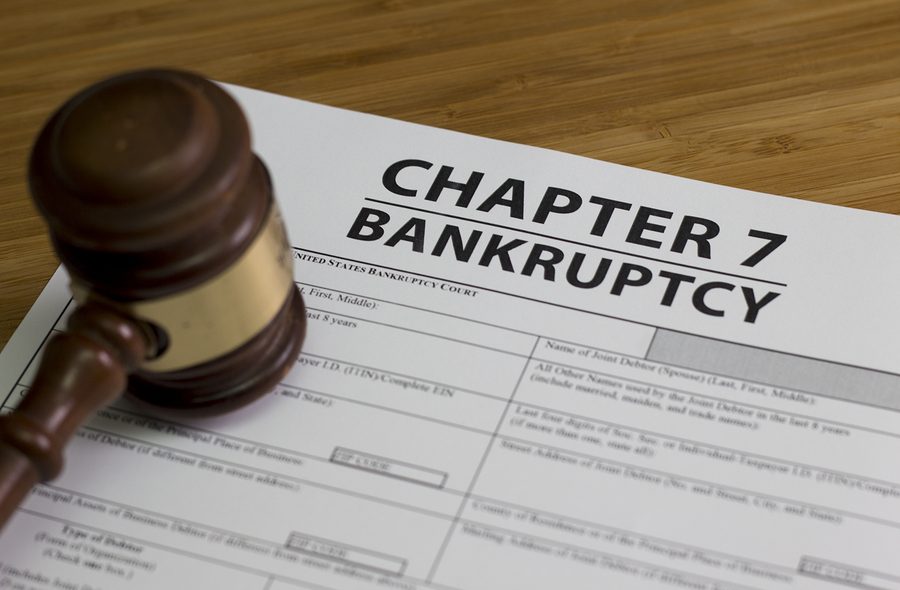
Chapter 7 consumer bankruptcy filings have increased 15% in the first nine months of 2025, according to American Bankruptcy Institute. That amounts to 249,152 filings so far this year as compared to the 216,773 filed last year for the same period, according to data from Epiq AACER. Individual Chapter 13 filings also increased by 4.3%.
The rise in bankruptcy filings can be attributed to the growing financial pressure families are facing across the country. Inflation has outpaced wage growth for 43 percent of Americans.
Chapter 7 bankruptcy is a powerful legal tool that allows those in financial crisis to cancel debts such as credit card debt, medical debts, and personal loans.
As soon as a Chapter 7 bankruptcy case is filed, the consumer receives immediate protection from his or her creditors. This protection comes from the automatic stay that is issued by the court upon filing. The automatic stay puts a pause on all collection actions, including collection phone calls, legal proceedings to collect on a debt, wage garnishments, evictions, and foreclosures. The automatic stay also gives consumers a chance to breathe and work with the court and bankruptcy trustee.
It can be difficult to determine whether it is the right time to file for Chapter 7 bankruptcy. Typically, those that file should meet the following criteria:
- Have a low credit score.
- Have no foreseeable way to pay off debt within the next few years.
- Do not possess expensive property.
- Have more than $10,000 in debt
- Struggle to make payments.
- Are in fear of legal action being taken against them due to debt.
An alternative to Chapter 7 bankruptcy is Chapter 13 bankruptcy. Most commonly, those that opt to file for Chapter 13 fail to qualify for Chapter 7 due to their income. They may also own a property that is not protected by Chapter 7 bankruptcy exemptions. An experienced bankruptcy attorney can provide crucial assistance in evaluating your finances to determine which plan is best suited for your situation.
If you have questions or are in a financial crisis and considering filing for bankruptcy, contact an experienced Miami bankruptcy attorney who can assist you and address all of your options. As an experienced CPA as well as a proven bankruptcy lawyer, Timothy Kingcade knows how to help clients take full advantage of the bankruptcy laws to protect their assets and get successful results. Since 1996 Kingcade Garcia McMaken has been helping people from all walks of life build a better tomorrow. Our attorneys’ help thousands of people every year take advantage of their rights under bankruptcy protection to restart, rebuild and recover. The day you hire our firm, we will contact your creditors to stop the harassment. You can also find useful consumer information on the Kingcade Garcia McMaken website at www.miamibankruptcy.com.