
Foreclosure Defense, Foreclosures

How Do Foreclosed Properties Become Zombie Homes?

“Zombie foreclosures” occur when a homeowner defaults on their mortgage and moves out of the home before the foreclosure process has been completed. Due to the home being abandoned, signs of dilapidation occur from neglect and lack of maintenance.

If your home is in the middle of foreclosure, it is a good idea to stay put for the time being. Leaving a house does not get you off the hook for bills or legal responsibilities.

Zombie real estate usually happens because homeowners misunderstand the foreclosure process and end up leaving too early.

While the homeowner likely received a “notice of intent to foreclose” (NOI) from the lender – which happens during pre-foreclosure – the lender isn’t required to notify you. As a result, if the foreclosure is canceled without your knowledge, you, the homeowner, still legally own the property and are financially responsible for mortgage payments, insurance, taxes, maintenance, repairs, and other housing-related costs.

Florida has what is called a judicial foreclosure process, which means that every homeowner is entitled to a hearing before the court to determine whether the bank is entitled to foreclose.  The most important thing to remember is that the homeowner has rights, and there are ways to slow down the foreclosure process.

If a homeowner has been contacted regarding a zombie debt or old home loan, it is imperative that he or she speak with an attorney as soon as possible.  The homeowner should never ignore the legal action, as a default judgment could result.

Choosing the right attorney can make the difference between keeping your home or losing it in foreclosure. A well-qualified Miami foreclosure defense attorney will not only help you keep your home, but they will be able to negotiate a loan that has payments you can afford. Miami foreclosure defense attorney Timothy Kingcade has helped many facing foreclosure alleviate their stress by letting them stay in their homes for at least another year, allowing them to re-organize their lives. If you have any questions on the topic of foreclosure, please feel free to contact me at (305) 285-9100. You can also find useful consumer information on the Kingcade Garcia McMaken website at www.miamibankruptcy.com.

Bankruptcy Law, Filing Bankruptcy

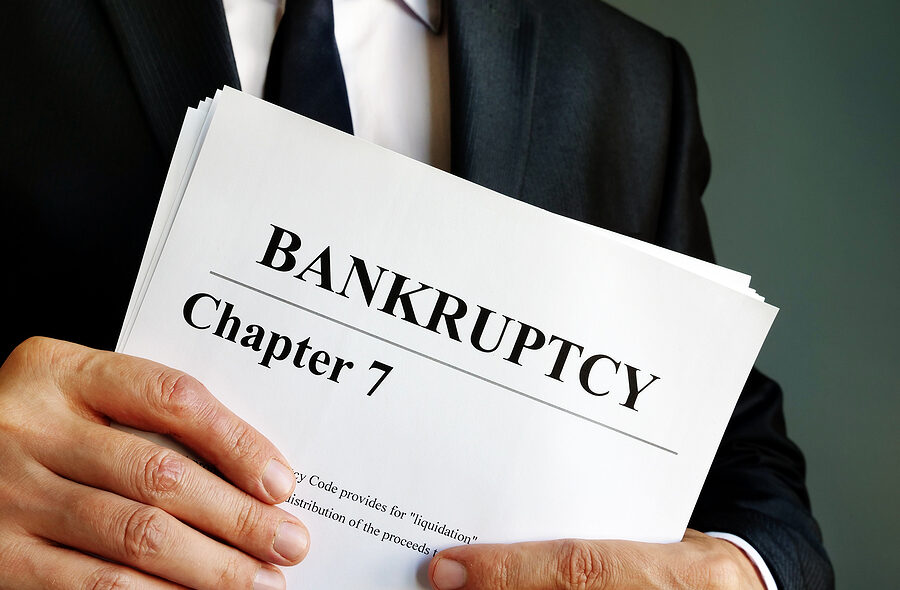
Bankruptcy Checklist: The Financial Documents Needed to File Bankruptcy in Florida

At the start of a bankruptcy case, the filer is asked to fill out certain forms, including disclosures regarding their financial affairs. This disclosure includes the person’s income, expenses, assets, debts, and any property transfers.

The filer will also need to provide supporting documentation. The documents required are similar for Chapter 7 and Chapter 13 cases, with slightly different variations. It is often helpful to check with the bankruptcy trustee to ensure that all required documentation is submitted. Some trustees require more proof than others, and many times, this evidence will also be determined by the facts of the individual’s case.

The following are some of the most requested documents in bankruptcy:

  • Tax Returns

The bankruptcy court will require the filer to provide copies of his or her tax returns or tax transcripts for the last two years in a Chapter 7 bankruptcy case and the last four years in a Chapter 13 bankruptcy case. If the filer was not required to file tax returns for certain reasons such as his or her sole income source was nontaxable disability benefits, the filer will need to provide a short letter explaining why.

If the consumer does not have tax returns simply because he or she forgot to file, the bankruptcy trustee will likely require him or her to file taxes and provide copies of the tax returns before continuing with the case, especially for a Chapter 13 bankruptcy.

  • Proof of Income

The bankruptcy court will want to see proof of the filer’s income through pay stubs for the last six months and the filer’s last W-2 (officially the “Wage and Tax Statement”). If the person receives other income sources, such as Social Security funds or disability, he or she will want to supply proof of these as well.

Filers who are self-employed may need to do a little more in terms of proof of income. Self-employed bankruptcy filers will need to provide a year-to-date profit and loss (P&L) statement, including statements for the last two full years prior to filing.  Bank statements for the business may also be required to verify profit and loss amounts.

  • Home Documentation

If the filer owns any real estate, the court will require him or her to provide proof of the property’s fair market value.  This value can be done through a full appraisal, a broker’s price opinion, or an online valuation, so long as the value given is fair and reasonable in the current market.

The court will also ask for proof of any liabilities on the home, including mortgage statements. They may also require proof of home insurance.

  • Vehicle Documentation

If the filer has a car, he or she will need to provide proof of its value to the court. Most bankruptcy trustees will take online printouts from Kelly Blue Book or the National Automobile Dealers Association. If the car has a loan on it, the filer will also need to supply a loan statement showing how much is owed, as well as how much the monthly payment is.

  • Bank Account and Retirement Account Statements

The bankruptcy court will ask for recent bank and retirement account statements for all accounts owned by the filer.

  • Proper Identification

The filer will need to bring valid photo identification, such as a driver’s license and proof of his or her social security number.

  • Additional Documentation

The bankruptcy trustee may require additional documents for the case, including proof of child support or marital settlement agreement, detailing property distribution, and any other unusual expenses the filer pays.

If you have questions on this topic or are in financial crisis and considering filing for bankruptcy, contact an experienced Miami bankruptcy attorney who can advise you of all of your options. As an experienced CPA as well as a proven bankruptcy lawyer, Timothy Kingcade knows how to help clients take full advantage of the bankruptcy laws to protect their assets and get successful results. Since 1996 Kingcade Garcia McMaken has been helping people from all walks of life build a better tomorrow. Our attorneys’ help thousands of people every year take advantage of their rights under bankruptcy protection to restart, rebuild and recover. To learn more, visit the Kingcade Garcia McMaken website at www.miamibankruptcy.com.

Medical Debt

New Study Looks at Medical Debt Bankruptcy Among the Insured

A new study by the University of Washington reveals working age Americans are more vulnerable to bankruptcy after an injury like a car crash or a fall that requires hospitalization.

Surprisingly, it’s not the lowest income patients or those without health insurance. It is the working class and working age families that are being hit the hardest by medical debt. The study also revealed people are more than three times more likely to delay medical care or treatment if they already have medical debt.

How Medical Debt is Handled in Bankruptcy

In bankruptcy, medical debt is treated the same as credit card debt. Medical bills are listed as general unsecured debt and can be easily wiped out in a Chapter 7 bankruptcy filing.  Making the decision to file for bankruptcy is never an easy one.

Fortunately, consumers have the option available to them to file for bankruptcy to escape this burden of medical debt. In a bankruptcy case, debts are classified into two categories: secured and unsecured, as well as priority and nonpriority debts. Secured debts are those that are backed by a form of collateral, while priority debts can be unsecured but receive special status, such as tax bills, student loans, and child support. Unsecured debts are those debts that are not secured by collateral and include personal loans, credit card debt, and medical debt.

In a bankruptcy case, unsecured debts are the ones that are discharged at the end of the case, while priority and secured debts are the focus of payment plans or payment in a Chapter 7 case after assets are liquidated. If a debt is discharged, this means the court has issued an order stating that the debt does not have to be paid.

Medical debt may also become part of the repayment plan issued as part of a Chapter 13 bankruptcy case. The bills may not end up paid in full, but the medical providers will receive at least some amount of payment, which helps the consumer maintain a relationship with their healthcare providers. Repayment plans normally last three to five years, ending with the consumer’s remaining debts, including medical debt, getting discharged.

Those who have experienced illness or injury and found themselves overwhelmed with medical debt should contact an experienced Miami bankruptcy attorney. In bankruptcy, medical bills are considered general unsecured debts just like credit cards. This means that medical bills do not receive priority treatment and can easily be discharged in bankruptcy. Bankruptcy laws were created to help people resolve overwhelming debt and gain a fresh financial start. Bankruptcy attorney Timothy Kingcade knows how to help clients take full advantage of bankruptcy laws to protect their assets and get successful results. Since 1996 Kingcade Garcia McMaken, P.A., has been helping people from all walks of life build a better tomorrow. Our attorneys help thousands of people every year take advantage of their rights under bankruptcy protection to restart, rebuild, and recover. The day you hire our firm; we will contact your creditors to stop the harassment. You can also find useful consumer information on the Kingcade Garcia McMaken, P.A. website at www.miamibankruptcy.com.

SOURCE: New UW study looks at medical debt, bankruptcy among insured

Credit Card Debt

Credit Card Debt Tops $1.28 Trillion in U.S.

Americans owe $1.28 trillion on their credit cards, according to a new report by the Federal Reserve Bank of New York on household debt. That’s a 5.5% jump from the previous year. Near the end of the year, credit card debt typically increases during peak holiday shopping season.

Credit cards are one of the most expensive ways to borrow money today. Approximately, 175 million people in the U.S. have credit cards, and while some pay their bills in full each month, roughly 60% of credit card users carry a balance from one month to the next, according to the New York Fed.

A separate report by the debt management company, Achieve, revealed that more than half, 55% of consumers carry credit card balances to cover essential expenses.

There’s also a growing number of homeowners falling behind on their mortgage payments. Increased mortgage delinquency rates have been more pronounced in low-income areas.

Housing affordability challenges are not only weighing on ‘would-be’ home buyers, but also a growing share of existing homeowners, new data suggests. Late-stage mortgage delinquencies — those with payments at least 90 days past due — rose 18.6% in December from a year earlier, according to new research from credit scoring company, VantageScore.

Click here to read more.

If you have questions on this topic or are in a financial crisis and considering filing for bankruptcy, contact an experienced Miami bankruptcy attorney who can assist you and address all of your options. As an experienced CPA as well as a proven bankruptcy lawyer, Timothy Kingcade knows how to help clients take full advantage of the bankruptcy laws to protect their assets and get successful results. Since 1996 Kingcade Garcia McMaken has been helping people from all walks of life build a better tomorrow. Our attorneys help thousands of people every year take advantage of their rights under bankruptcy protection to restart, rebuild, and recover. The day you hire our firm; we will contact your creditors to stop the harassment. You can also find useful consumer information on the Kingcade Garcia McMaken website at www.miamibankruptcy.com.

Bankruptcy Law, Legal Awards

Timothy S. Kingcade Receives AV Rating and Client Champion Platinum Award

Bankruptcy Attorney Timothy S. Kingcade Receives the Preeminent AV Rating & Client Champion Platinum Award from Martindale-Hubbell for 2026

                                    Preeminent AV Rating                    Client Champion Platinum Award

MIAMI (February 18, 2026)– Managing Shareholder, Timothy S. Kingcade of Kingcade Garcia McMaken has received the preeminent AV rating for 2026 from Martindale-Hubbell, joining a select group of lawyers recognized for their legal ability and professional ethical standards. In addition, he has earned the 2026 Client Champion Platinum Award.

The Client Champion Platinum Award from Martindale-Hubbell is the highest client-focused recognition, given to attorneys who have earned at least 10 verified client reviews with an average score of 4.5 or higher (out of 5.0), demonstrating exceptional client service and satisfaction, and is presented alongside the peer-rated AV Preeminent rating for overall excellence.

“I am honored to have received the preeminent AV rating and Client Champion Platinum Award from Martindale-Hubbell,” said Timothy S. Kingcade. “This is a testament to the commitment that I make to each one of our clients and the ethical standards we uphold as a law firm. It is gratifying to know that my colleagues respect and acknowledge my legal abilities and the continued dedication to our clients and the profession.”

The Martindale-Hubbell AV rating designates the highest level of professional excellence and ethical standards an attorney can receive. This rating establishes that an attorney’s colleagues and judiciary perceive him to be at the pinnacle of professional success.

Martindale-Hubbell Peer Review Ratings are an objective indicator of a lawyer’s ethical standards and professional ability, derived from evaluations of lawyers by members of the bar and the United States judiciary. The Legal Ability ratings are based on performance in five key areas, which include: Legal knowledge, analytical capabilities, judgment, communication ability, and legal experience.

Attorney Timothy S. Kingcade practices exclusively in the field of bankruptcy law, handling Chapter 7 filings, and foreclosure defense cases for the Southern District of Florida. As an experienced CPA as well as a proven bankruptcy attorney, Timothy Kingcade knows how to help clients take full advantage of the bankruptcy laws, which protect them and achieve desired results.

###

Miami-based Kingcade Garcia McMaken, P.A. was established by managing partner and bankruptcy attorney, Timothy S. Kingcade in 1996. The firm represents clients throughout the State of Florida in Chapter 7 bankruptcy and foreclosure defense cases. The firm is committed to providing personalized service to each and every client, clearly explaining the options according to the unique circumstances of his or her life. The office environment and the service provided are centered on a culture of superior client care for the financially disenfranchised. All partners and associates at Kingcade Garcia McMaken P.A. specialize in consumer bankruptcy and foreclosure and have dedicated their practices to this area of the law. Additionally, all attorneys and staff members at the firm are bilingual speaking Spanish. For more information, visit https://www.miamibankruptcy.com/ or call (305) 285-9100.

Consumer Bankruptcy

New Year, Fresh Start. Bankruptcy Can Help You Take Back Control of Your Finances

The New Year is a popular time for financial check-ins, motivating people to set goals like paying off debt. For those struggling with overwhelming debt, bankruptcy can be a legal pathway to a fresh start, eliminating eligible debts.

Before filing for bankruptcy, certain steps should be taken to ensure the case goes smoothly and is successful.

  1. Stop using credit cards.

One of the reasons people file for bankruptcy is due to overwhelming credit card debt. As soon as someone decides to file for bankruptcy, it is always recommended that he or she immediately ceases using their credit cards. Bankruptcy courts will view creating more debt when the person knows that it will never be repaid as a form of bankruptcy fraud.

  1. Pay for the essentials.

Many filers find themselves behind on bills prior to filing, including rent and utilities. Prior to filing for bankruptcy, make sure you are caught up on essential living expenses, including paying rent and utilities.

  1. End automated payments.

Many consumers set up automatic payments with their bank and creditors, allowing creditors to auto debit their bank account. While this may be a convenient method, once a bankruptcy case is filed, it can quickly become a giant inconvenience. With the automatic stay, creditors are prohibited from directly soliciting payments on debts owed by the filer, but this does not necessarily mean these payments cannot be made via automatic monthly withdrawals that were in place prior to filing. To avoid this problem, prior to filing, consumers should sign on to all online accounts with creditors and end automatic payments.

  1. Gather financial records.

Organize recent pay stubs (60 days), bank statements, tax returns (2 years), asset details (home, cars), and creditor statements.

  1. File your tax return.   

If someone is considering bankruptcy, taxes are often the last thing on that person’s mind. However, it is important that a consumer considering bankruptcy file his or her tax returns prior to filing. After all, the bankruptcy court will be looking at the consumer’s income and assets when deciding bon what type of bankruptcy can be pursued, and tax returns are vital documents needed to make that determination.

5. Review Your Credit Report.

Get a copy of your credit report for free by visiting Annual Credit Report.com – Home Page. Free weekly online credit reports are available from Equifax, Experian and TransUnion. Credit reports play an important role in your financial life, and we encourage you to regularly check your credit history to ensure accuracy.

You can regain control of your financial future in 2026. The consultation is free; the relief is real. Since 1996 Kingcade Garcia McMaken has been helping people from all walks of life build a better tomorrow. Our attorneys help thousands of people every year take advantage of their rights under bankruptcy protection to restart, rebuild, and recover. The day you hire our firm; we will contact your creditors to stop the harassment. You can also find useful consumer information on the Kingcade Garcia McMaken website at www.miamibankruptcy.com.

Free In-Office Consultation

305-285-9100

1370 Coral Way, Miami FL 33145

Bankruptcy Trends, Consumer Bankruptcy

Consumer Bankruptcy Filings Increase in December 2025

Unlike previous years, consumer bankruptcy filings in December 2025 increased both month-over-month and year-over-year, according to the latest data from G2 Risk Solutions. Consumer bankruptcy filings increased 5.8% from November 2025 and nearly 21% over December 2024. A departure from historical norms, bankruptcy filings tend to see a decline in the months of November and December, as many choose to defer the stress and filing fees until after the holidays.  The total number of consumer filings reached 44,890 in December.

Even though consumer bankruptcy filings have increased over the past five years, filings remain about 25% below pre-pandemic levels.

Click here to read more.

If you have questions on this topic or are in a financial crisis and considering filing for bankruptcy, contact an experienced Miami bankruptcy attorney who can assist you and address all of your options. As an experienced CPA as well as a proven bankruptcy lawyer, Timothy Kingcade knows how to help clients take full advantage of the bankruptcy laws to protect their assets and get successful results. Since 1996 Kingcade Garcia McMaken has been helping people from all walks of life build a better tomorrow. Our attorneys help thousands of people every year take advantage of their rights under bankruptcy protection to restart, rebuild, and recover. The day you hire our firm; we will contact your creditors to stop the harassment. You can also find useful consumer information on the Kingcade Garcia McMaken website at www.miamibankruptcy.com.
Bankruptcy Law, Legal Awards

Timothy S. Kingcade Named a Top 3 Bankruptcy Lawyer in Miami for 2026

MIAMI (January 17, 2026)– Managing Shareholder, Timothy S. Kingcade of the Miami-based bankruptcy law firm of Kingcade Garcia McMaken  has been named one of the Top 3 bankruptcy lawyers in Miami, FL by Three Best Rated®. Kingcade obtained the highest score out of all the nominees, and it marks the 11th consecutive year he has received this honor.

“I am honored and humbled to be recognized as a Top 3 Bankruptcy Lawyer by Three Best Rated 11 years in a row,” said Timothy S. Kingcade. “Beyond managing the legal aspects, we provide our clients with protection and peace of mind during the bankruptcy process. We know what our clients are going through when they come into our offices, and we treat them with the upmost care and respect during their most challenging times.”

Three Best Rated® was created with a goal of finding the top three local businesses, professionals, restaurants, and health care providers in each city. The selection process involves a rigorous 50-Point inspection and includes everything from evaluating the attorney’s reputation, history, client reviews, ratings, complaints, satisfaction, trust, pricing, and overall excellence, forming the basis of the TBR Inspection Score.

Attorney Timothy S. Kingcade founded Kingcade Garcia McMaken in 1996, a prominent law firm that handles a substantial number of bankruptcy filings each year. Timothy, along with his dedicated team, provide comprehensive legal representation to clients throughout South Florida.

Kingcade Garcia McMaken is committed to helping clients navigate the complexities of bankruptcy law. Their experienced attorneys guide individuals in understanding recent changes in bankruptcy regulations and the critical distinctions between filing under Chapter 7 or Chapter 13 bankruptcy. The firm also handles foreclosure cases alongside bankruptcy matters.

Throughout South Florida, Kingcade Garcia McMaken has earned a solid reputation as a dependable and effective advocate for clients from diverse backgrounds. The firm’s commitment to providing personalized service is evident, with their attorneys taking the time to clearly explain the available options based on each client’s unique circumstances. The personalized approach ensures that clients receive the individual attention and care they deserve during the legal process.

###

Miami-based Kingcade Garcia McMaken, P.A. was established by managing partner and bankruptcy attorney, Timothy S. Kingcade in 1996. The firm represents clients throughout the State of Florida in Chapter 7 bankruptcy and foreclosure defense cases. The firm is committed to providing personalized service to each and every client, clearly explaining the options according to the unique circumstances of his or her life. The office environment and the service provided are centered on a culture of superior client care for the financially disenfranchised. All partners and associates at Kingcade Garcia McMaken P.A. specialize in consumer bankruptcy and foreclosure and have dedicated their practices to this area of the law. Additionally, all attorneys and staff members at the firm are bilingual speaking Spanish. For more information, visit https://www.miamibankruptcy.com/ or call (305) 285-9100.

Consumer Bankruptcy, Debt Relief

Debt Relief vs. Bankruptcy in 2025

Debt relief and bankruptcy can offer real financial help in a challenging economic environment- but there are a few things you should know about each option.

American households are struggling with debt like never before, as total credit card balances have soared past $1.21 trillion nationally. With credit card interest rates approaching record highs and the cost of living rising, many people have found themselves trapped in a cycle of making minimum payments.

Amid the financial pressure, people are exploring different options to regain control over their debt.

Debt relief programs, such as credit card settlement plans, are increasingly accessible, while bankruptcy remains an option for those facing overwhelming debt.

Each option has unique benefits, costs, and long-term implications.

Debt relief programs only address unsecured debt, like credit cards, personal loans, and medical bills. These type programs cannot help with secured debts, like a mortgage or car loan.

filing for bankruptcy

Bankruptcy, on the other hand, can wipe out certain unsecured debts entirely, and in some cases, provide options for addressing secured debt. Understanding exactly what you owe, and to whom is the first step in deciding which approach to choose.

Debt relief programs work best if you have a steady income that allows you to make monthly payments. If your earnings are inconsistent or barely cover your living expenses, these programs can prove challenging to sustain.

For those whose income will not support repayment, bankruptcy provides a better option. However, post-bankruptcy budgeting is essential to avoid falling back into debt.

Choosing between bankruptcy and debt relief is a personal decision influenced by your total debt, income, credit outlook, and long-term goals.

Debt relief can offer structured repayment and lower interest costs without the long-lasting credit hit of bankruptcy, but it requires discipline and consistent payments. Bankruptcy, however, can immediately wipe out your debt and provide you with a fresh financial start when debt becomes unmanageable.

As you weigh your options, it is important to review each one carefully, ideally with a financial counselor, certified debt specialist, or experienced bankruptcy attorney before deciding.

Click here to read more on this story.

If you have questions on this topic or are in a financial crisis and considering filing for bankruptcy, contact an experienced Miami bankruptcy attorney who can assist you and address all of your options. As an experienced CPA as well as a proven bankruptcy lawyer, Timothy Kingcade knows how to help clients take full advantage of the bankruptcy laws to protect their assets and get successful results. Since 1996 Kingcade Garcia McMaken has been helping people from all walks of life build a better tomorrow. Our attorneys help thousands of people every year take advantage of their rights under bankruptcy protection to restart, rebuild, and recover. The day you hire our firm; we will contact your creditors to stop the harassment. You can also find useful consumer information on the Kingcade Garcia McMaken website at www.miamibankruptcy.com.
Bankruptcy Law, Chapter 13 Bankruptcy

Does Chapter 13 Bankruptcy Take All Your Income?

Bankruptcy filings have been rising, and personal bankruptcy inquiries have been increasing for those struggling with persistent inflation. Among the options available, Chapter 13 bankruptcy, often referred to as a “wage earner’s plan” or “reorganization bankruptcy,” has become an increasingly common choice for people who need time to catch up on their debts.

Chapter 13 bankruptcy allows the debtor to keep their property and pay their debts over time, through a court-appointed repayment plan that typically lasts three to five years.

But does filing for Chapter 13 mean you have to give up all your income?  Here’s How It Works:

When you file for Chapter 13 bankruptcy, you will submit a detailed budget showing your monthly income and expenses. The bankruptcy court uses this information to determine how much you can realistically afford to pay your creditors each month. Allowed expenses include housing, utilities, food, transportation, insurance, medical care, and other necessary costs. The court follows standardized guidelines for many of these expenses, but there’s flexibility based on a filer’s specific circumstances.

The remaining amount becomes your monthly Chapter 13 payment. This means you keep enough of your income to maintain a basic standard of living while repaying what you can afford with your creditors.

It is also worth noting that not everyone pays back the same percentage of their debt. Some people repay their unsecured creditors in full, while others might pay back only a fraction, sometimes as little as 10% or even less, depending on their disposable income and the value of their assets. The point here is that your payment is based on what you can afford, not on taking everything you earn.

Click here to read more.

If you have questions on this topic or are in a financial crisis and considering filing for bankruptcy, contact an experienced Miami bankruptcy attorney who can assist you and address all of your options. As an experienced CPA as well as a proven bankruptcy lawyer, Timothy Kingcade knows how to help clients take full advantage of the bankruptcy laws to protect their assets and get successful results. Since 1996 Kingcade Garcia McMaken has been helping people from all walks of life build a better tomorrow. Our attorneys’ help thousands of people every year take advantage of their rights under bankruptcy protection to restart, rebuild and recover. The day you hire our firm; we will contact your creditors to stop the harassment. You can also find useful consumer information on the Kingcade Garcia McMaken website at www.miamibankruptcy.com.

Related Resources:

Chapter 13 – Bankruptcy Basics