
 Thousands of homeowners are tricked into mortgage scams each year and con artists do not have to look hard for victims. Most of the victims reach out to scammers themselves online. Instead of finding help to their mortgage woes through an Internet search, they find a scam. The sluggish economy and slow recovering housing market have created the perfect environment for mortgage scams.
Below are five mortgage scams to watch out for:
1.) A theft in-‘deed’. This scam lures struggling homeowners in by promising them better interest rates and lower mortgage payments. The borrower is then asked to sign supposed mortgage papers. One of the pages in the large stack of documents is a deed that once signed, transfers ownership of the property to the perpetrator.
2.) Phantom of the loan modification. NEVER pay upfront fees for a loan modification. Despite numerous warnings and educational campaigns warning homeowners of this, scam stories of borrowers who paid $1,000 to $5,000 for a loan modification, but received nothing in exchange are widespread.
3.) Your mortgage has been sold- NOT! Banks often buy and sell residential mortgages, and con artists take advantage of that. They create fake companies, pretend they are the new owners of your loan and take your payments until you figure out it’s a scam. Most unsuspecting victims do not learn about the mortgage scam until their actual lender notifies them that their mortgage is in default. To be on the safe side, contact your servicer and double check that your loan was sold to another company before blindly making payments to a new company- even if the letter you receive appears legitimate.
4.) Steer clear of reverse mortgage scams. Elderly homeowners are easy targets for con artists. They are also more likely to have equity in their homes. Reverse mortgages allow homeowners who are 62 or older to borrow against the equity in their homes without having to make monthly mortgage payments. Normally, the scammer wants to steal the equity in the home or use the senior citizens as straw buyers and borrowers. Another scam involves, a con artist recruiting an innocent senior to be the ‘fall guy’ in the fraud. The scammers buy a distressed property then manipulate the senior into signing the deed, taking ownership of the house. Once the house is in the senior’s name, the scammers use an inflated appraisal to get a reverse mortgage. They steal the money, and the senior and the lender get stuck with the loss.
5.) Avoid lease/buy-back agreements. Thanks to public records, con artists in many states know when a home is in foreclosure. Once they identify distressed borrowers, they persuade them to sign a quitclaim deed, which transfers the property ownership into a land trust. In lease/buy-back mortgage scams, the perpetrator promises the deed transfer is temporary and you will be able to rent the home from the new owners and eventually repurchase the home after you get back on your feet. Depending on how much you owe on the home, the scammer may simply collect the rent from you and let the bank evict you and sell the house themselves.
Click here to read more on the top five mortgage scams.
Choosing the right attorney can make the difference between whether or not you can keep your home. A well-qualified Miami foreclosure defense attorney will not only help you keep your home, but they will be able to negotiate a loan that has payments you can afford. Miami foreclosure defense attorney Timothy Kingcade has helped many facing foreclosure alleviate their stress by letting them stay in their homes for at least another year, allowing them to re-organize their lives. If you have any questions on the topic of foreclosure please feel free to contact me at (305) 285-9100. You can also find useful consumer information on the Kingcade & Garcia website at www.miamibankruptcy.com.

 The popular credit monitoring site, TransUnion reports the rate of credit card payments that are at least 90 days overdue fell in the second quarter to 0.57%, the second-lowest recorded by the agency in nearly 20 years, when the rate was 0.56%. More Americans are working to bring down their credit card balances as the U.S. credit card delinquency rate fell close to the lowest levels since 1994. The trend is positive, and according to experts may be a sign that the worst is behind for cardholders post-recession.
  The Detroit Democrat has reported that the forum planned by U.S. Representative John Conyers on the legal implications of Detroit’s bankruptcy filing will be re-scheduled to 3 p.m. on Saturday at Fellowship Chapel in Detroit. Conyers has said the forum will examine the filing’s impact on pensions and possible conflicts of interest involving state-appointed emergency manager, Kevyn Orr.
  The Federal Housing Administration (FHA) is offering a homeownership program that will put previously troubled borrowers on the fast track to owning a home, again. This new program, called “Back to Work-Extenuating Circumstance,” shortens the standard three-year waiting period to 12 months. As part of the FHA’s ongoing mission, the new program aims to make sure that qualified borrowers are not being unnecessarily shut out of the housing market.
 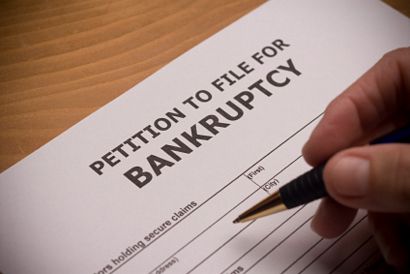 So you have considered all your options, examined your finances and have come to the conclusion that bankruptcy is the right option for you. It is important to remember that filing for bankruptcy is a process, not an event. What you do before, during and after the filing will affect your future. RELAX… You are on the path to a financial fresh start!
  According to a recent article in the Sun-Sentinel, 69 percent of all South Florida home sales last month were cash deals. Across the state, 66 percent of home sales were cash, compared with the national rate of 40 percent- which many housing experts are calling “astounding.” With one of the nation’s highest foreclosure rates, South Florida has a large supply of bank-owned properties.
 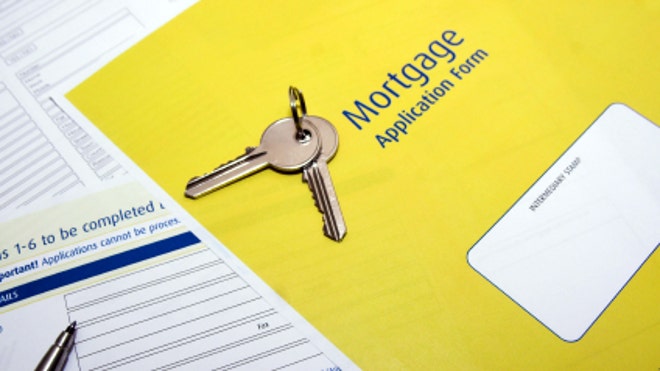 This week, Federal regulators proposed a new rule that would make mortgage lending standards less restrictive. The proposed Qualified Residential Mortgage rule was supported by both consumer advocates and mortgage industry members- an otherwise rare occurrence- largely because it eliminates much stricter down payment rules that the previous version of QRM would have created.
  People who file for bankruptcy can sometimes feel ashamed, hopeless and overwhelmed. But it may be a comfort to know that you are not alone. According to the American Bankruptcy Institute, the number of July bankruptcy filings came to 87,684.