
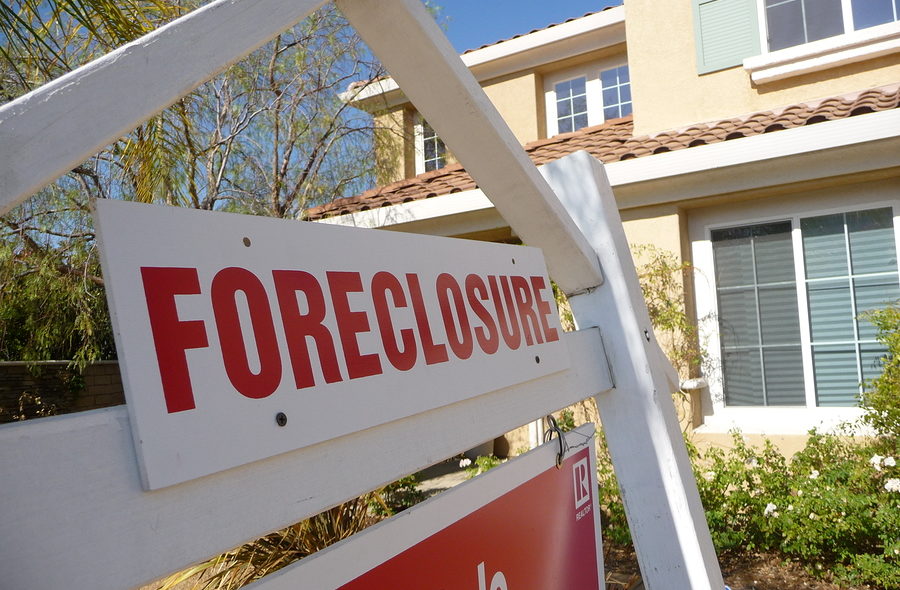
Foreclosures

Reverse Mortgages: Thousands of Florida Homeowners at Risk of Foreclosure

Thousands of Florida seniors are facing foreclosure, even homelessness due to being stuck in reverse mortgages now going into foreclosure. According to the U.S. Department of Housing and Urban Development (HUD), nearly 15,000 Florida seniors out of the 85,000 currently holding reverse mortgages are at risk of losing their homes.

A reverse mortgage is also often referred to as a home-equity conversion mortgage. Reverse mortgage lenders normally target individuals over the age of 62 who are living in homes with larger amounts of equity. The reverse mortgage allows the homeowner to borrow against the equity in his or her home. Instead of monthly mortgage payments, the balance only becomes due when the borrower dies, moves away from the home permanently or sells the home.

Bankruptcy Law, Debt Relief, Timothy Kingcade Posts

How Debt Collectors Trick Consumers into Reviving Old Debts

Creditors can be extremely creative when attempting to collect on a debt. Many of them rely on the fact that most consumers do not truly understand the laws surrounding debt collection. The average consumer may not know creditors only have so long to collect on a debt under the state’s statute of limitations. After that time has passed, the creditor or debt collector is barred from taking legal action to collect on the debt.  But that does not mean they can’t stop trying to collect on it.

The problem is many debt collectors will still attempt to get payment on the debt, even after it is past the legal statute of limitations. This practice is often referred to as “zombie debt collection.” Their hope is that the consumer will pay on the bill, even just a partial amount, reviving the debt, and then giving the debt collector the legal right to sue to collect on the remaining debt.

It is important that consumers be aware of what the statute of limitations is for their given state. In Florida, debt collectors may not collect on a debt that is more than five years past due for written contracts, such as personal loans. For other debts, including those with revolving accounts, such as credit cards, the statute of limitations is four years.

Bankruptcy Law, Debt Relief

This Common Life Event Doubles Your Chances of Filing for Bankruptcy

Medical debt is a common cause of consumer bankruptcy filings.  Losing one’s health insurance, also puts individuals and families at an increased financial risk.  According to the American Bankruptcy Institute (ABI), when someone has an interruption in their health insurance coverage, this gap in coverage nearly doubles that person’s chances of filing for bankruptcy.

The ABI looked through figures from the Bureau of Labor Statistics for more than 12,500 individuals.  Their findings revealed a “strong association” between losing insurance coverage and consumer bankruptcy filings. ABI narrowed down their research even further to look at 454 people between the years 2008 and 2014 with similar incomes and debt-to-income ratios, who all filed for bankruptcy in that span of time. While many of these bankruptcy filings were driven by health issues, job loss and divorce, a great majority of them had to do with the fact that the person or someone that depended on the insurance carrier did not have coverage at the time of their illness or injury.

Bankruptcy Law, Debt Relief

How Is Debt Handled in Divorce?

When a couple goes through a divorce, their property and finances are not the only thing that is divided in the legal proceedings. Many times, couples end up having to divide debt. The following rules determine how debt is handled in divorce.

Equitable Distribution

In Florida, property and debts are handled using the concept of equitable distribution. Many states require that property and debt be divided equally under the concept of community property, but Florida requires more of an equitable or “fair” division of assets and debts. This normally results in a relatively equal division, but equitable does not always result in a precise, equal division.

Bankruptcy Law, Debt Relief

How to Protect Your Home in Bankruptcy

When facing the possibility of filing for bankruptcy, whether it be Chapter 7 or Chapter 13, the thought of losing your home can be frightening. In fact, losing one’s home can be one of the biggest concerns holding someone back from filing for bankruptcy. The lawyers at Kingcade Garcia McMaken work hard to protect people from losing their assets in a bankruptcy case, including the filer’s home.

Automatic Stay

One of the first protections filers receive when proceeding with any type of bankruptcy case is the automatic stay. The automatic stay keeps creditors from continuing any collections actions, and it immediately goes into effect after the bankruptcy petition is filed.

Foreclosures

Facing Foreclosure? Here’s When You Actually Have to Move Out in Florida.

When someone receives a foreclosure notice, the first thought that often comes to that person’s mind is the fear of losing their home. A foreclosure notice does not mean that someone is automatically out of his or her home. As a homeowner in Florida, you have rights. It is important that any person in this situation understands clearly what those rights are.

Understanding the Timing

A notice of foreclosure does not mean that it will happen immediately. The homeowner has the legal right to remain in the home until the lender successfully completes all foreclosure procedures and sells the home, which can take several months, depending on the circumstances involved.

Bankruptcy Law, student loan debt, Student Loans

Bankruptcy: Finally An Option for Student Loan Debt?

Student loan debt is at an all-time high with 44 million Americans carrying outstanding amounts of the debt. It is currently estimated that $1.5 trillion is owed in student loan debt. With that many people graduating with student loans, it should come as no surprise that many of these borrowers eventually default.

Approximately 11 percent of student loan borrowers have defaulted or were delinquent on their loans by the end of 2018. For the most part, consumer debt, including credit card and medical debt, can be discharged in a bankruptcy case. Only a very select list of debt is not allowed to be discharged at the end of a bankruptcy case, including child support, alimony, criminal fines and certain overdue tax debt.

Bankruptcy Law, Credit

Tips for Renting an Apartment After Bankruptcy

Filing for bankruptcy gives individuals a financial fresh start, relieving the stress of debt and collection calls.  However, declaring bankruptcy can add some additional obstacles to the apartment- hunting process, but not to worry: You can rent an apartment after declaring bankruptcy.  It comes down to the application process, and we have some important tips for you.

Honesty Is the Best Policy.

It can be tempting to want to hide the fact that you recently filed for bankruptcy, but unless the apartment or rental home is a property that does not require a credit check for rental applications, this fact will be discovered quickly. The last thing an applicant wants is for the landlord to find this out after the fact before the renter has any chance to explain the situation. If a bankruptcy is on the individual’s history, it is best to be upfront from the beginning. Honesty is the best policy.

Credit Card Debt, Debt Relief

How to Protect Your Wages from Credit Card Companies

A credit card company can garnish a person’s wages following a successful judgment, which is why it is important to not ignore collection attempts. While it can be hard to fight wage garnishment after it is entered, consumers do have options to protect themselves in the event this does occur.

Settling the Debt

One of the best ways to avoid a wage garnishment is to work directly with the credit card company or debt collector. Many times, the company may be willing to work with the consumer rather than go through the effort and spend the legal fees to take them to court.

They may require the consumer provide some type of proof that his or her financial situation is solid enough to handle the settlement amount. If the debt is large, they may require some type of security to ensure payment will occur.

Bankruptcy Law, Debt Relief

The Biggest Violations Made by Debt Collectors

Debt collectors can be persistent to the point of becoming threatening or intimidating. However, this does not mean consumers are without rights. The Fair Debt Collection Practices Act (FDCPA) protects consumers from unfair debt collection practices by third-party debt collectors. The law provides when debt collectors can contact individuals, what information they can provide to third parties, and other protections.

In 2018, the Federal Trade Commission received a total of 84,500 complaints regarding debt collectors. The following violations are the most common offenses made by debt collectors.

  1. Failure to Provide Written Verification of the Debt.

Any person who is contacted regarding a debt has the right to get written verification of the amount owed. Under the FDCPA, the debt collector must send written verification of the debt within five days after making initial contact. In that communication, the debt collector needs to provide the amount owed, the name of the original creditor, and information regarding how the individual can dispute the debt. However, many debt collectors fail to follow through on this requirement. Alternatively, many consumers are not aware they have the right to request this information.