

Credit Card Debt

Three Simple Mistakes That Can Drive Up Your Credit Card Debt

Credit card debt has become a growing financial strain for millions of Americans. The latest data from the Federal Reserve Bank of New York, reveals U.S. consumers owe a collective $1.21 trillion in credit card debt. With an average interest rate of 22%, even small mistakes can set off a chain reaction that leads to mounting balances.

Here are three mistakes that make your credit card debt more expensive.

1. Paying your credit card bill late

Missing your due date doesn’t just hurt your credit score, it costs you money. Most card issuers will charge customers a late fee of up to $35. In addition, when your payment is late, your ‘grace period’ can disappear, which can cause interest to accrue immediately on new purchases.

2. Allowing a balance to carry over from one month to the next

Carrying a credit card balance from one month to the next is one of the fastest ways for your debt to spiral out of control. You may think it’s manageable to carry a credit card balance over from one month to the next, especially if you’re only short by a few hundred dollars each month. However, unlike installment loans, credit card interest compounds daily. That means every day your balance remains unpaid, interest is added, and then you’re charged interest on the interest.

3. Not taking advantage of balance transfers, debt consolidation or other available strategies.

Another credit card mistake that can cost you is sticking to the status quo when you have options to lower your costs. For example, many credit card companies offer 0% balance transfer promotions for 12 to 21 months, giving you a chance to make real progress on your balance without added interest. While there will typically be a small transfer fee tied to these promotions, the savings can be substantial if you’re strategic about paying down your balance during the promotional period.

Click here to read more.

As bankruptcy attorneys, we see credit card debt as one of the most common problems facing those with serious financial challenges.

Filing for bankruptcy is a viable option for those struggling with insurmountable credit card debt. Chapter 7 is the fastest form of consumer bankruptcy and forgives most unsecured debts like credit card debt, medical bills, and personal loans.  There are certain qualifications a consumer must meet in regard to income, assets, and expenses to file for Chapter 7 bankruptcy, which is determined by the bankruptcy means test.

If you have questions on this topic or are in financial crisis and considering filing for bankruptcy, contact an experienced Miami bankruptcy attorney who can advise you of all of your options. As an experienced CPA as well as a proven bankruptcy lawyer, Timothy Kingcade knows how to help clients take full advantage of the bankruptcy laws to protect their assets and get successful results. Since 1996 Kingcade Garcia McMaken has been helping people from all walks of life build a better tomorrow. Our attorneys help thousands of people every year take advantage of their rights under bankruptcy protection to restart, rebuild and recover. The day you hire our firm; we will contact your creditors to stop the harassment. You can also find useful consumer information on the Kingcade Garcia McMaken website at www.miamibankruptcy.com.
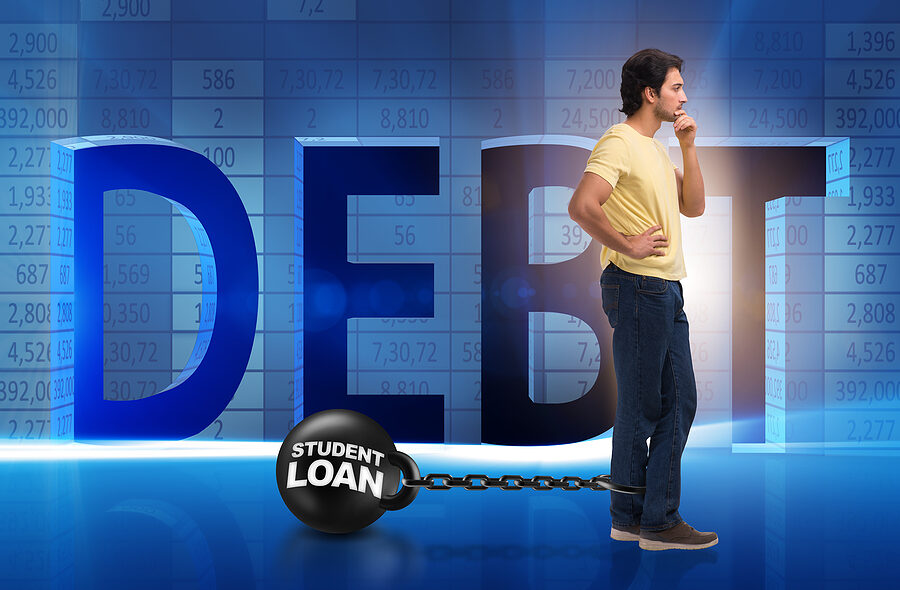
student loan debt, Student Loans

What Borrowers Should Know as the Government Begins Collections on Student Loans in Default

The Trump Administration has announced it will begin collection efforts on defaulted student loans for the first time in five years. The Department of Education announced that its office of Federal Student Aid will resume collections on May 5, meaning it can start taking funds out of borrowers’ tax refunds, Social Security benefits, and even their wages.

This has raised questions and anxieties for millions of borrowers across the country. The change will affect 5.3 million borrowers who went into default before the pandemic, according to the Education Department. A borrower is considered in default when they fail to make a loan payment for at least 270 days.

According to data provided to NPR, 2.9 million borrowers are 61-90 days late with their loan payments. Another 4 million are in “late-stage delinquency,” and have been reported to the credit bureaus, according to the Department.

With the economy going the way, it is, and tariffs making the cost of goods more expensive, the number of delinquent borrowers is expected to grow.

How can I tell if I am impacted? 

The Department of Education says it will reach out to all borrowers that are in default by May 5, 2025. People can also check their status by going to StudentAid.gov, the Department of Education’s website.

The online dashboard shows how much debt is owed and to whom, the monthly payment amount and — if they are in default — a warning message that says so. It is also where they can ensure all their contact information is up to date.

What are my options if I am in default? 

There are ways people can get out of default. The quickest, but oftentimes the hardest is to pay off the loan in full. Another method is consolidation, which involves paying off your defaulted loans with new repayment terms. Student loan consolidation combines multiple federal student loans into a single, new federal loan. This simplifies payments, potentially reduces monthly payments, and allows for a longer repayment term. Loan rehabilitation requires a borrower to make multiple — typically nine — consecutive on-time payments of an amount that is usually based on their income. Once those are paid, the loan is taken out of default and the default line is removed from the person’s credit report.

Click here to read more.

For borrowers who are struggling with student loan debt, relief options are available.  Many student loan borrowers are unaware that they have rights and repayment options available to them, such as postponement of loan payments, reduction of payments or even a complete discharge of the debt. There are ways to file for bankruptcy with student loan debt.  It is important you contact an experienced Miami bankruptcy attorney who can advise you of all your options. As an experienced CPA as well as a proven bankruptcy lawyer, Timothy Kingcade knows how to help clients take full advantage of the bankruptcy laws to protect their assets and get successful results. Since 1996 Kingcade Garcia McMaken has been helping people from all walks of life build a better tomorrow. Our attorneys help thousands of people every year take advantage of their rights under bankruptcy protection to restart, rebuild and recover. The day you hire our firm, we will contact your creditors to stop the harassment. You can also find useful consumer information on the Kingcade Garcia McMaken website at www.miamibankruptcy.com.