
Bankruptcy Law, Credit Card Debt, Debt Relief

How to Stop Harassment for Debts You Do Not Owe

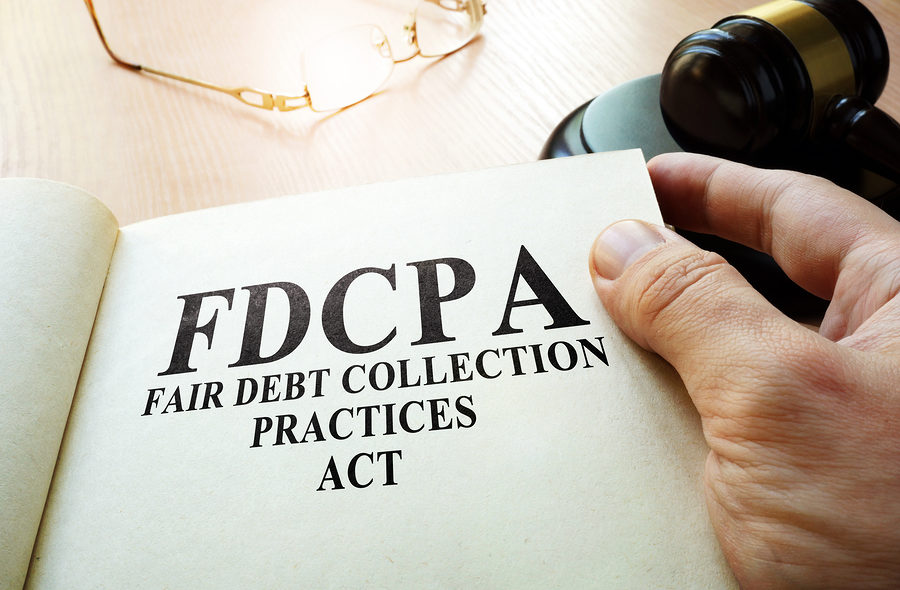
Debt collectors will do just about anything to get a consumer to pay on a debt, their job depends on it.  This can even include the collection of old debts that are past the statute of limitations. According to recent figures from the Consumer Financial Protection Bureau (CFPB), in conjunction with a complaint database through consumer advocacy group, U.S. PIRG Education Fund, 44 percent of all complaints against debt collectors have to do with attempts to collect on a debt that is not even owed by the person receiving the call.

The problem is many consumers are not aware that they do not owe on the debt, and they are not fully aware of their legal rights when it comes to debt collections. Under the Fair Debt Collection Practices Act (FDCPA), third-party debt collectors are limited in how many times a day they can call consumers, as well as the type of communication and language they may use while collecting on the debt. If the communication constitutes harassment, the consumer has the right to ask the debt collector to stop contacting him or her, and file a lawsuit against the collection agency.
Foreclosures

Reverse Mortgages: Thousands of Florida Homeowners at Risk of Foreclosure

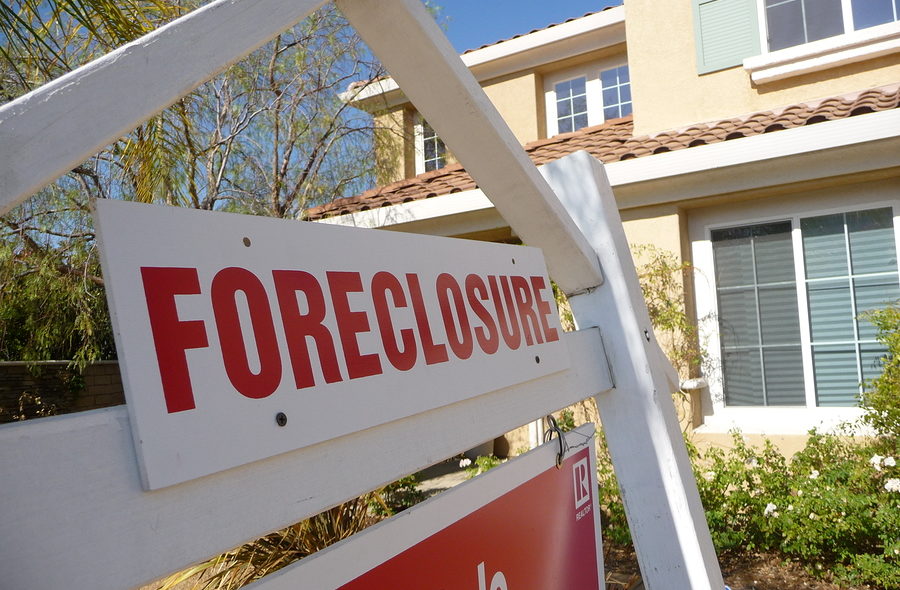
Thousands of Florida seniors are facing foreclosure, even homelessness due to being stuck in reverse mortgages now going into foreclosure. According to the U.S. Department of Housing and Urban Development (HUD), nearly 15,000 Florida seniors out of the 85,000 currently holding reverse mortgages are at risk of losing their homes.

A reverse mortgage is also often referred to as a home-equity conversion mortgage. Reverse mortgage lenders normally target individuals over the age of 62 who are living in homes with larger amounts of equity. The reverse mortgage allows the homeowner to borrow against the equity in his or her home. Instead of monthly mortgage payments, the balance only becomes due when the borrower dies, moves away from the home permanently or sells the home.

Bankruptcy Law, Debt Relief

How Is Debt Handled in Divorce?

When a couple goes through a divorce, their property and finances are not the only thing that is divided in the legal proceedings. Many times, couples end up having to divide debt. The following rules determine how debt is handled in divorce.

Equitable Distribution

In Florida, property and debts are handled using the concept of equitable distribution. Many states require that property and debt be divided equally under the concept of community property, but Florida requires more of an equitable or “fair” division of assets and debts. This normally results in a relatively equal division, but equitable does not always result in a precise, equal division.

Bankruptcy Law, Debt Relief

How to Protect Your Home in Bankruptcy

When facing the possibility of filing for bankruptcy, whether it be Chapter 7 or Chapter 13, the thought of losing your home can be frightening. In fact, losing one’s home can be one of the biggest concerns holding someone back from filing for bankruptcy. The lawyers at Kingcade Garcia McMaken work hard to protect people from losing their assets in a bankruptcy case, including the filer’s home.

Automatic Stay

One of the first protections filers receive when proceeding with any type of bankruptcy case is the automatic stay. The automatic stay keeps creditors from continuing any collections actions, and it immediately goes into effect after the bankruptcy petition is filed.

Bankruptcy Law, student loan debt, Student Loans

Bankruptcy: Finally An Option for Student Loan Debt?

Student loan debt is at an all-time high with 44 million Americans carrying outstanding amounts of the debt. It is currently estimated that $1.5 trillion is owed in student loan debt. With that many people graduating with student loans, it should come as no surprise that many of these borrowers eventually default.

Approximately 11 percent of student loan borrowers have defaulted or were delinquent on their loans by the end of 2018. For the most part, consumer debt, including credit card and medical debt, can be discharged in a bankruptcy case. Only a very select list of debt is not allowed to be discharged at the end of a bankruptcy case, including child support, alimony, criminal fines and certain overdue tax debt.

Credit Card Debt, Debt Relief

When Can a Credit Card Company Garnish Your Wages?

When someone is facing a credit card collection action, the last thing that person wants is to have his or her wages garnished by the credit card company. However, credit card companies do have the right to garnish a cardholder’s wages, just like any other creditor.

Before credit card debt can be collected, it must be considered delinquent.  At the time a person gets a credit card, he or she enters into an agreement to make monthly payments. If these payments are not made on time, that contract is considered broken and the debt delinquent. Once this happens, the credit card company is within its right to collect on the debt. Normally, missing a credit card payment results in a significant interest rate hike, but if the debt goes unpaid for too long, the credit card company can file a legal action to collection on the debt.

This step is where garnishment comes into play. Credit card companies cannot garnish the cardholder’s wages without first filing a legal complaint to collect on the debt and serving the complaint on the cardholder. The accountholder has a chance to respond to the complaint and file an answer within a set period of time. If he or she does not respond, the credit card company can obtain a default judgment against the cardholder, speeding up the process. However, if the cardholder does respond, the credit card company must prove that the debt is owed at a hearing before a judge.

student loan debt, Timothy Kingcade Posts

Teachers Sue U.S. Over Student Loans that Were Not Forgiven

The American Federation of Teachers has filed a lawsuit against the U.S. Department of Education on behalf of educators who argue that they have been wrongfully denied loan forgiveness under the federal public service loan forgiveness program.

The Public Service Loan Forgiveness program was created more than a decade ago to encourage young graduates to seek employment in a government job or in public service industries. While the pay in these types of jobs tends to be lower, the promise of having their federal student loans forgiven at the end of a ten-year period was created to entice them to apply for these positions.

Under the program, borrowers who work in certain public service professions, including law enforcement, nursing, and teaching, and who make payments consistently for ten years, can have their federal loans forgiven. It is estimated that more than one million borrowers have filed official paperwork to participate in the program. However, many of these borrowers are finding out that they suddenly do not qualify for forgiveness for one reason or another, including not carrying the correct type of loan.

Bankruptcy Law

Converting a Chapter 13 Bankruptcy to a Chapter 7

On occasion, a Chapter 13 bankruptcy case may need to be converted to a Chapter 7 case. This transition may be on the request of the individual filer or the bankruptcy court. Many bankruptcy filers will decide to convert their Chapter 13 case into a Chapter 7 case in the event their financial situations have changed after the initial filing, or if the filer had originally chosen to pursue a Chapter 13 case to protect property that no longer needs protection.

The Conversion Process

Florida bankruptcy courts have specific guidelines that must be followed for converting a case from Chapter 13 to Chapter 7.  Unless the filer has already received a Chapter 7 bankruptcy discharge within the most recent eight years, he or she should be able to convert a Chapter 13 case into a Chapter 7 at any time.

Bankruptcy Law

Understanding the Bankruptcy Process: How to File & the Qualifications

Filing for bankruptcy can be an emotional and sometimes stressful process. However, enlisting the help of an experienced bankruptcy attorney can make the process painless and worry-free.  Many clients have little understanding about what is involved when they file for bankruptcy.  Bankruptcy is a legal proceeding where a judge and bankruptcy trustee review the financial situation of individuals or businesses who are not able to pay their financial obligations and discharge qualifying debts that they are no longer able to pay.

The Purpose of Bankruptcy

Bankruptcy is meant to give an individual a fresh financial start, allowing that person to wipe the slate clean. It also serves as a way to give the filer some sense of relief through the protection of the automatic stay, which means creditors are prohibited from continuing collection actions against the filer. This allows the person time to regroup, protect valuable assets and work with the bankruptcy trustee to handle their debts.

Bankruptcy Law

Impounded Cars Cannot Be Held After Drivers File for Bankruptcy

Drivers in Chicago who are without their vehicles may be able to get their cars back from city impound lots after filing for bankruptcy, according to a new federal appeals court ruling. The 7th U.S. Circuit Court of Appeals ruled this week that the city’s policy of keeping impounded vehicles belonging to bankruptcy filers despite the fact that an automatic stay has been issued by the bankruptcy court is against federal bankruptcy law.

More specifically, the court argued that this policy essentially discourages drivers from filing for bankruptcy and violates the most basic of protections offered by a bankruptcy filing. It is the court’s belief that the city is doing this to generate revenue rather than help protect their constituents.

Eugene Wedoff, a retired bankruptcy judge who represented the debtors, argued that a Chapter 13 bankruptcy case was meant to allow the filer to get back his or her life by putting property in the filer’s hands. By keeping these impounded vehicles away from their owners, they argue the city is violating their rights.