Bankruptcy Law

New Bankruptcy Law Takes Effect Benefiting Small Businesses

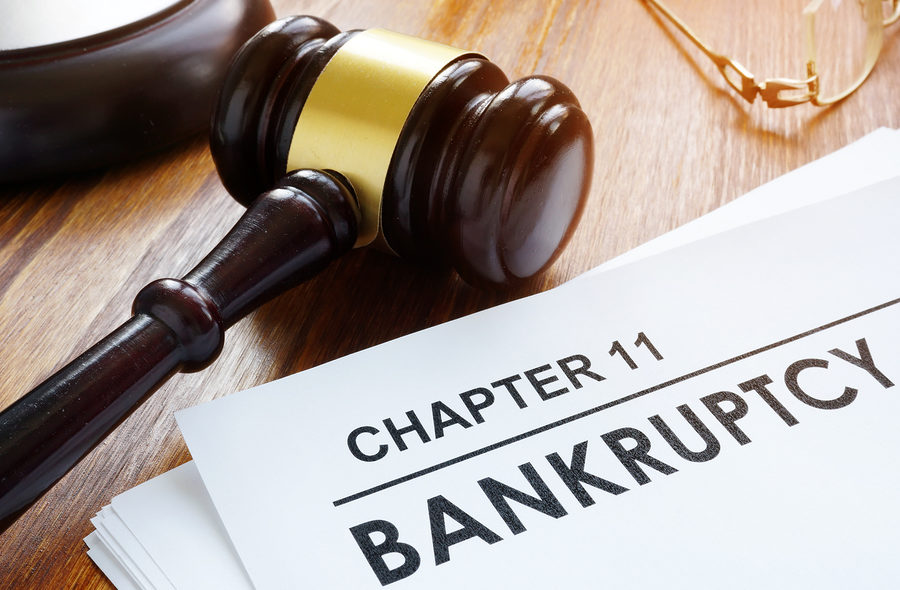
For the most part, business bankruptcy, also known as Chapter 11 Bankruptcy, has not been a viable option for most struggling small businesses. The process can be long and complicated, and the costs associated with filing under Chapter 11 of the U.S. Bankruptcy Code have kept most small businesses out of this option, leaving them to either pursue a personal bankruptcy under Chapter 7 or Chapter 13 or to close their doors completely. However, the Small Business Reorganization Act (SBRA), which officially took effect two months ago, has taken away some of these barriers, opening the possibilities for Chapter 11 filings for small businesses.

Originally, the SBRA applied only to businesses or sole proprietors with less than $2.7 million in debt. However, when the coronavirus (COVID-19) crisis hit in March, Congress temporarily increased this debt cap to $7.5 million in debt, opening the doors to many more businesses to take advantage of the SBRA.
Bankruptcy Law, Coronavirus, COVID-19, Debt Relief

Coronavirus and the Changes it has had to the U.S. Bankruptcy Code

The coronavirus pandemic has affected our country in so many ways. It has also affected the U.S. Bankruptcy Code, specifically through the recently passed $2.2 trillion Coronavirus Aid, Relief and Economic Security Act (CARES Act).

Within the CARES Act were revisions to parts of the U.S. Bankruptcy Code, meant to help small businesses and consumers during this difficult time. The CARES Act amended the Small Business Reorganization Act of 2019 (SBRA), which temporarily increased the debt threshold for filing for Chapter 11 Bankruptcy relief. The debt threshold increased from $2,725,625 to $7,500,000. After one year, the threshold will go back down to the original amount.

Bankruptcy Law, Debt Relief

Which Type of Bankruptcy Eliminates the Most Debts?

When it comes to filing for bankruptcy, several different options are available, depending on the filer’s financial situation and types of debt owed. Two of the most common forms of consumer bankruptcy filings are Chapter 7 and Chapter 13.

Chapter 7 is a liquidation bankruptcy that wipes out most of your general unsecured debts such as credit cards and medical bills without the need to pay back balances through a repayment plan.

Bankruptcy Law, Credit Score

Tips for Rebuilding Credit After Bankruptcy

Filing for bankruptcy allows people to get a fresh start financially and erase past debts, but a legitimate concern many consumers have is the effect it will have on their credit score and their ability to take out credit, again.

One of the biggest misconceptions about filing for bankruptcy is that it will ruin your credit score and your financial future.  To the contrary, after filing for bankruptcy you can begin restoring your credit right away.

Bankruptcy Law, COVID-19, Debt Relief

Unemployment Skyrockets as a Record Number of Bankruptcies Anticipated

The coronavirus (COVID-19) crisis has hit the American economy hard, which is evident in the number of unemployment claims being filed. It has been reported that approximately 17 million American workers have filed for unemployment over the course of three weeks after many businesses have shuttered.

Research from three different Federal Reserve banks have shown that bankruptcies related to the economic downturn from the COVID-19 crisis could increase by 200,000 to reach a record 1 million filings. However, this increase is possible only if government stimulus programs do not offset this increase.

Bankruptcy Law, Credit Card Debt, Debt Collection, Debt Relief

Tips for Gen. X’ers Battling Credit Card Debt

Credit card debt is a problem that countless consumers struggle with. But according to recent data provided by Experian, Gen X consumers carry more credit card debt than any other generation.

Experian’s data showed that Gen X holds the highest average credit card balances at $8,658. As members of Gen X approach middle age, many of them raising families, they are also struggling to pay down credit card debt they have been holding since their 20s.

Bankruptcy Law, Credit, Credit Card Debt, Timothy Kingcade Posts

Top Reason Americans Are Carrying an Average Credit Card Balance of Over $6,200

Credit card debt is a burden for many consumers. Most have a complicated relationship with their credit cards. On one hand, disciplined and modest use of a credit card to make certain purchases can help establish a good credit score. On the other hand, if the balance on a credit card is not paid in full each month, and on time, the balance can quickly spiral out of control.

According a recent study by CompareCards, American consumers are carrying an all-time high of $1.1 trillion in credit card and other types of revolving debt. This figure is up nearly 20 percent from where it was just ten years ago.

Bankruptcy Law, Debt Collection, Debt Relief

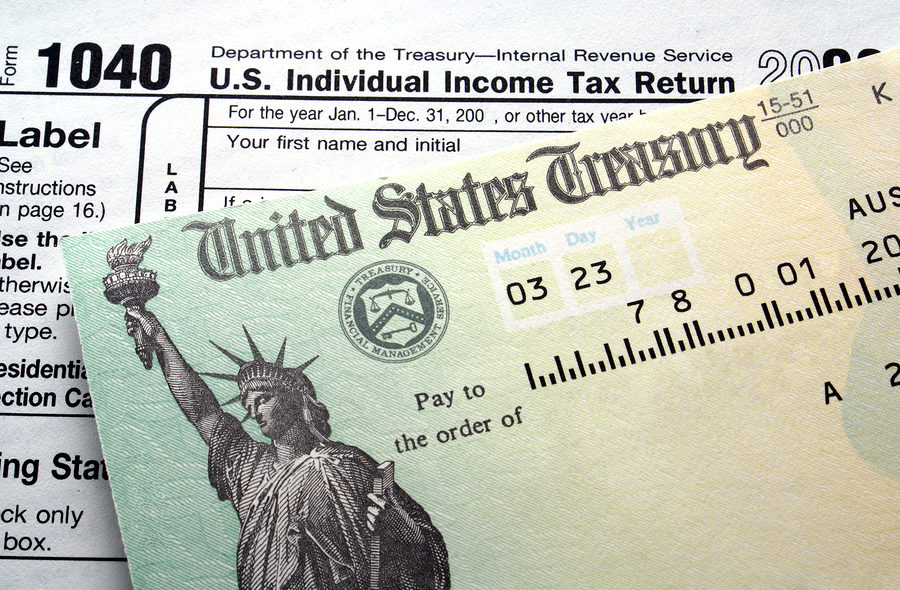
Student Loan Tax Refund Garnishment and What Borrowers Need to Know

Many student loan borrowers struggle to keep up with their federal student loan payments upon graduation, but defaulting on student loans can end up resulting in the loan servicer garnishing the borrower’s state and federal tax refunds. Here’s what borrower’s need to know about tax refund garnishment.

The Treasury Offset Program, established in 1986, overseen by the Bureau of Fiscal Service, gives departments within the federal government the ability to ask the Internal Revenue Service (IRS) to garnish tax refunds to collect on defaulted debt owed toward either state or federal government entities. This action is known as a tax offset. A tax offset does not mean that the borrower will lose all his or her refund. The government can choose to seize the entire refund or a portion of the refund, depending on how much debt is owed. If part of the refund pays off the debt owed, including fees and interest charges, whatever is left of the refund will then be forwarded to the borrower.

Bankruptcy Law

Timing is Important When It Comes to Filing for Bankruptcy

When it comes to filing for bankruptcy, it is not always a matter of “if” but rather a matter of “when.” Depending on a person’s financial situation, it can pay to properly time out a bankruptcy filing. Whether it is the right time to file for bankruptcy can depend on several factors including whether someone is facing foreclosure, vehicle repossession, wage garnishment, or any of the following.

Mortgage Modification

When someone is facing foreclosure, a few different steps can be taken to delay or even prevent the process. One of these solutions is through a mortgage modification. Homeowners facing foreclosure should try this approach first before filing for bankruptcy.