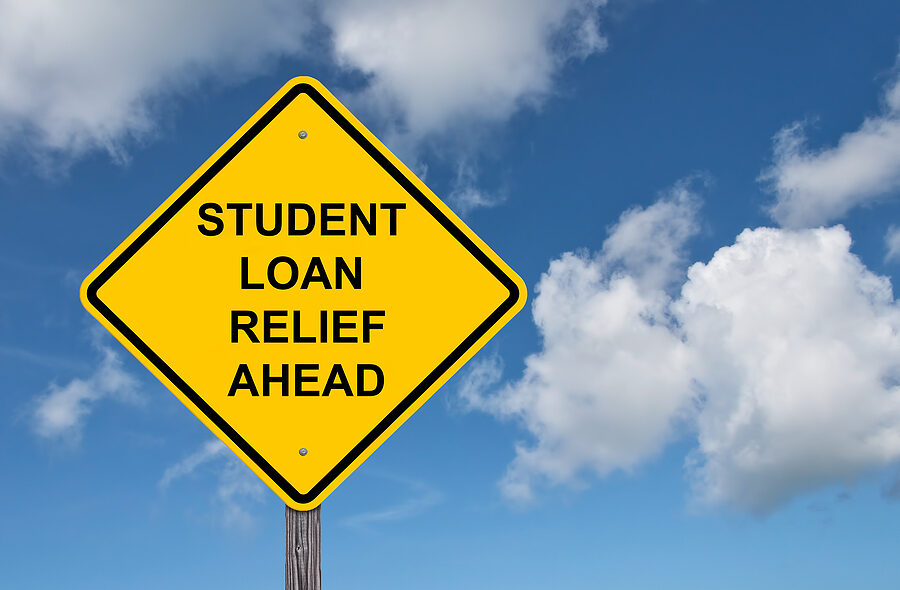
Student loan scams existed before President Biden made his executive order regarding federal student loan forgiveness. However, with the latest announcement of widespread student loan forgiveness, the number of scams has increased, significantly. It is important that borrowers know the warning signs to avoid being scammed.
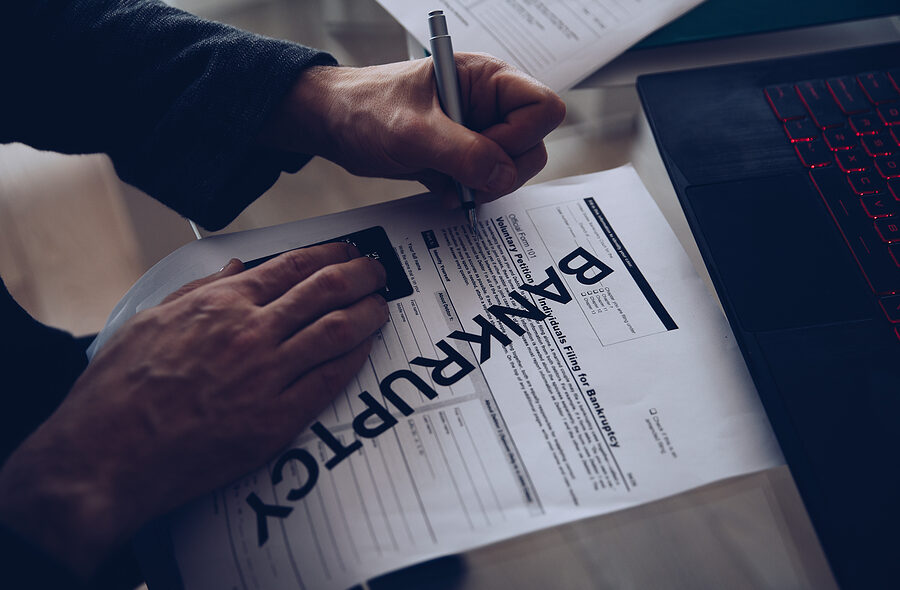
How to Find the Right Bankruptcy Attorney
When someone decides to file for bankruptcy, one of the most important decisions they will make is who will represent them in court and guide them through the bankruptcy process. Finding the right attorney can take time, but it is important that the filer does his or her research before hiring a bankruptcy attorney.
New Legislation Introduced To ‘Simplify and Modernize’ Bankruptcy Proceedings
New legislation has been introduced that could completely overhaul the consumer bankruptcy system. The legislation was proposed by two Congressional Democrats, Rep. Jerry Nadler (D-NY) and Sen. Elizabeth Warrant (D-MA) and is titled the Consumer Bankruptcy Reform Act of 2020 (CBRA).
Foreclosure Filings Start to Reach Pre-Pandemic Numbers
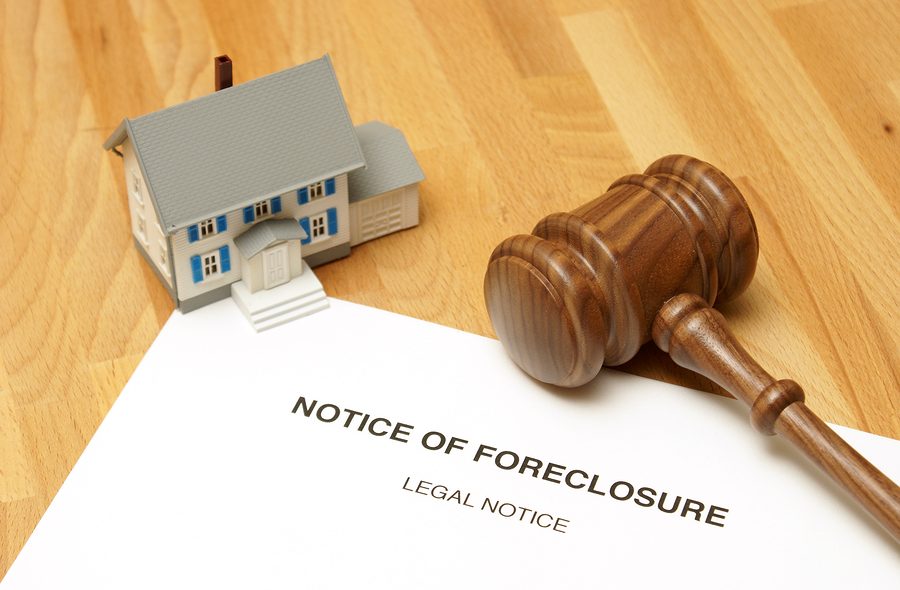
Foreclosure filings are starting to inch closer to the figures seen before the start of the COVID-19 pandemic in 2020. As pandemic relief programs end, these numbers are expected to continue to rise.
As Fed Increases Interest Rates, Credit Card Interest Rates Should Follow
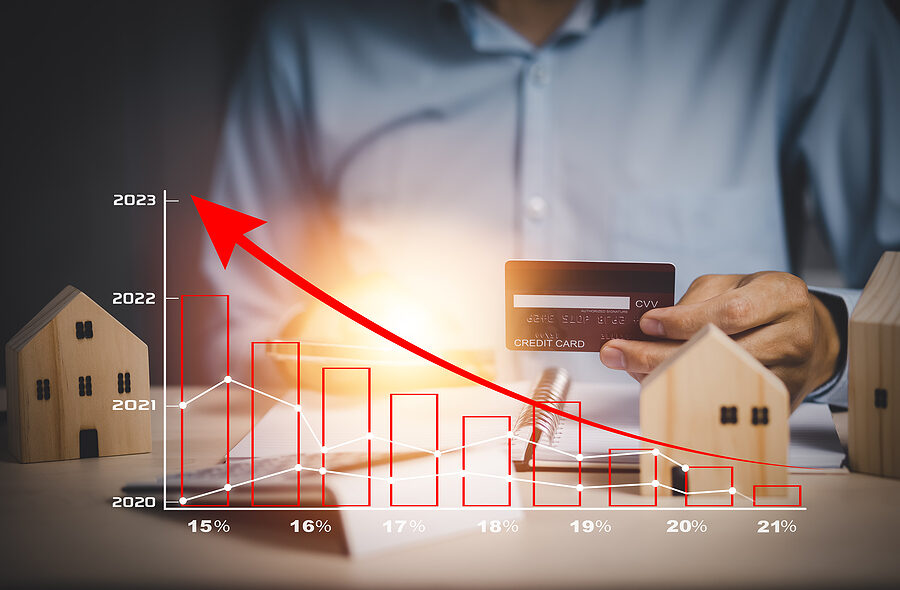
Credit card interest rates are anticipated to increase after the Federal Reserve increased its benchmark interest rate an additional three-quarters of a point. For consumers who rely on credit cards to keep up with the increasing costs of gas, groceries, and other necessary expenses, this news does not come at a good time.
Protecting Your Home During a Bankruptcy Case
One of the biggest fears bankruptcy filers have before proceeding with a bankruptcy case is the fear of losing their home. Depending on the type of bankruptcy case being pursued and whether the home has already fallen into default or even foreclosure, it is possible for filers to keep their home during a bankruptcy case.
Understanding the Difference Between Bankruptcy and Debt Consolidation
When dealing with debt, there are different options consumers have available to them in terms of eliminating that debt. When it comes to debt consolidation and bankruptcy, it’s important to understand the differences between these two approaches, as well as the pros and cons of each.
How to Apply for the New Student Loan Debt Forgiveness
With the recent announcement made by the Biden administration regarding widespread student loan debt forgiveness, the Congressional Budget Office has estimated that approximately $400 billion in student loan debt is subject to this executive action. The announcement has left student loan borrowers wondering how they can apply to receive this debt relief.
Do I Owe Taxes if My Credit Card Debt is Forgiven?
Certain debt forgiveness can come with financial repercussions, especially when it comes to taxes. This cancelled debt includes debt that was significantly reduced through debt settlement negotiations or debt that was completely cancelled or forgiven by the creditor, including credit card debt.
What is the Foreclosure Process in Florida?
Foreclosure is a process most homeowners want to avoid. After all, no one wants to lose their home. Florida has what is called a ‘judicial foreclosure process’, meaning the homeowner is entitled to a hearing before the court to determine whether or not the bank has the right to foreclose.
Pre-foreclosure
The period after the homeowner misses mortgage payments but just before foreclosure officially begins, is known as the “pre-foreclosure” stage. During pre-foreclosure, the mortgage service provider will likely add fees to the outstanding balance, including late fees and inspection fees. Mortgage providers are entitled to conduct inspections of the property when payments are missed to ensure that the property is still occupied and in good shape. They must also communicate with the homeowner about the possibility of foreclosure, and this communication comes in the form of a pre-foreclosure letter or breach letter. The breach letter must inform the homeowner that his or her loan is in default and must give the homeowner the chance to cure the default and prevent foreclosure.