Car Repossession

What Are the Repossession Laws in Florida?

If you are facing the possibility of repossession in Florida, knowing your rights, and understanding the process can help you feel more in control and figure out your next steps. Florida repossession laws favor lenders, but as a borrower you still have rights. Lenders are legally allowed to start the repossession process after just one missed payment. Whether that happens depends on your loan agreement. Most lenders offer a grace period, allowing you a few extra days to make a payment without late fees or other penalties.

When it comes to auto loans, these are considered secured debts. The car is what “secures” the loan. So, if you do not make your loan payments, the lender can take back the car through repossession.

Falling behind on car payments is stressful. A car is not only a vehicle for people, but an essential asset. Many people rely on it to get to work, take their children to school or daycare, and for other daily needs. The thought of losing it can be overwhelming.

How Can I Stop Repossession?

One of the best ways to avoid repossession is to make sure your car payment fits your budget before buying a vehicle. It also helps to hold on to your car as long as you can. Trading in a vehicle before the loan has been paid off can lead to higher monthly payments when rolling over the debt into a new loan. This can result in owing more money than your car is worth.

Unexpected financial hardships can happen to anyone. If you are behind on payments or worried about falling behind, here are steps people often take to avoid repossession:

  • Talk to your lender: Some lenders are willing to work with you. They may adjust the terms of your loan and set up a payment plan that fits your current financial situation.
  • Catch up on missed payments: If possible, try and get current on the loan. Request late fees and finance charges be removed. Anything to help get the balance down.
  • Consider bankruptcy: If your car payment is just one of the bills you are behind on, filing bankruptcy might help. Particularly if you have overwhelming credit card debt or medical bills. In some cases, people can keep their car during the bankruptcy process. Consider setting up a free consultation with an experienced bankruptcy attorney to learn more about your options.

If you have questions on this topic or are in financial crisis and considering filing for bankruptcy, contact an experienced Miami bankruptcy attorney who can advise you of all your options. As an experienced CPA as well as a proven bankruptcy lawyer, Timothy Kingcade knows how to help clients take full advantage of the bankruptcy laws to protect their assets and get successful results. Since 1996 Kingcade Garcia McMaken has been helping people from all walks of life build a better tomorrow. Our attorneys help thousands of people every year take advantage of their rights under bankruptcy protection to restart, rebuild, and recover. To learn more, visit the Kingcade Garcia McMaken website at www.miamibankruptcy.com.

SOURCE: Repossession Laws in Florida – Upsolve (January 15, 2026)
Bankruptcy Law

What is the 180-day Rule in Bankruptcy?

When it comes to filing bankruptcy in Florida, timing matters. Aside from things like income limits, exemptions, and credit counseling requirements, the timing of your bankruptcy filing can either protect you or put you at risk. Let’s say, your paycheck arrives late. A tax refund hits your account. A family member passes away and leaves you inheritance money. Any of these events can affect how your bankruptcy case unfolds.

The 180-day rule is a bankruptcy provision that determines whether certain benefits or assets obtained within 180 days after filing must be included in your bankruptcy estate. This means if you file for bankruptcy and then receive or inherit certain types of money within the next 180 days (about 6 months), the bankruptcy court may treat that money as if you had it when you filed. This rule most commonly applies to:

  • Inheritances
  • Life insurance proceeds
  • Property settlements from divorce or separation
  • Certain trust distributions

If any of these occur within 180 days after your filing date, the assets could potentially be used to repay your creditors. This surprises many filers because they assume only assets owned on the filing date matter. The 180-day rule extends that window, making timing crucial.

How Does the 180-day Rule Affect Chapter 7 vs. Chapter 13?

Chapter 7 bankruptcy: Because Chapter 7 involves, liquidating non-exempt assets, anything covered by the 180-day rule could be taken by the bankruptcy trustee and distributed to creditors. For example, receiving an inheritance three months after filing could mean losing part or all of it.

Chapter 13 bankruptcy: In Chapter 13, you commit to a repayment plan and keep your assets. Assets acquired under the 180-day rule may increase how much you are required to repay over the life of your plan.

What does the 180-day rule not cover?

The 180-day rule does not apply to everything acquired. For example:

  • Regular wages earned after filing are generally protected
  • Bonuses tied to post-filing work are usually excluded
  • Tax refunds depend on when the income was earned, not when the refund arrives

That distinction is why professional guidance matters when it comes to navigating a bankruptcy.  If you have questions on this topic or are in financial crisis and considering filing for bankruptcy, contact an experienced Miami bankruptcy attorney who can advise you of all of your options. As an experienced CPA as well as a proven bankruptcy lawyer, Timothy Kingcade knows how to help clients take full advantage of the bankruptcy laws to protect their assets and get successful results. Since 1996 Kingcade Garcia McMaken has been helping people from all walks of life build a better tomorrow. Our attorneys’ help thousands of people every year take advantage of their rights under bankruptcy protection to restart, rebuild and recover. To learn more, visit the Kingcade Garcia McMaken website at www.miamibankruptcy.com.

Source: What is the 180-day rule in bankruptcy? – CBS News

Auto Loan Debt

Pandemic Car Bubble Traps Buyers in Debt

About a third of Americans trading in a car today owe more than it’s worth. This number has jumped more than 40% since 2021. Being $40,000 underwater on a pickup truck is a scary sign of a growing trend, and that’s just one example.  It’s a difficult reality- more Americans are turning in their cars to buy new ones and finding out their vehicles aren’t worth what they owe.

About 30% of borrowers in the first quarter who traded in a car owe more on their loan than the car is worth, according to the car-shopping website Edmunds. Those borrowers owed about $7,200 on average before getting a new loan, a 42% jump compared with the same period five years prior.

More car buyers are extending the terms of their loan to keep their monthly payments manageable. In the first quarter, the average loan was 70 months on new cars, according to data from Edmunds.

You also had dealerships overcharging during Covid, which has resulted in negative equity for many car buyers. Consumers who are underwater on their loan end up paying more on average after rolling over the negative equity into their next car, compounding their debt even more.

The current car bubble can be attributed to lack of inventory during the pandemic, which led to a severe shortage of new cars available on dealer lots. Vehicle prices soared in response, and buyers—who either had the disposable income to spend or lacked other transportation during lockdowns—were willing to pay.

Consumers who rolled over negative equity from a prior vehicle loan were more than twice as likely to wind up having their car repossessed within two years, compared with those who pocketed money on a trade-in, a 2024 study from the Consumer Financial Protection Bureau found.

Click here to read more.

If you have questions on this topic or are in financial crisis and considering filing for bankruptcy, contact an experienced Miami bankruptcy attorney who can advise you of all of your options. As an experienced CPA as well as a proven bankruptcy lawyer, Timothy Kingcade knows how to help clients take full advantage of the bankruptcy laws to protect their assets and get successful results. Since 1996 Kingcade Garcia McMaken has been helping people from all walks of life build a better tomorrow. Our attorneys’ help thousands of people every year take advantage of their rights under bankruptcy protection to restart, rebuild and recover. To learn more, visit the Kingcade Garcia McMaken website at www.miamibankruptcy.com.

Do I Have to Surrender My Car in Bankruptcy?

Consumer Bankruptcy

New Year, Fresh Start. Bankruptcy Can Help You Take Back Control of Your Finances

The New Year is a popular time for financial check-ins, motivating people to set goals like paying off debt. For those struggling with overwhelming debt, bankruptcy can be a legal pathway to a fresh start, eliminating eligible debts.

Before filing for bankruptcy, certain steps should be taken to ensure the case goes smoothly and is successful.

  1. Stop using credit cards.

One of the reasons people file for bankruptcy is due to overwhelming credit card debt. As soon as someone decides to file for bankruptcy, it is always recommended that he or she immediately ceases using their credit cards. Bankruptcy courts will view creating more debt when the person knows that it will never be repaid as a form of bankruptcy fraud.

  1. Pay for the essentials.

Many filers find themselves behind on bills prior to filing, including rent and utilities. Prior to filing for bankruptcy, make sure you are caught up on essential living expenses, including paying rent and utilities.

  1. End automated payments.

Many consumers set up automatic payments with their bank and creditors, allowing creditors to auto debit their bank account. While this may be a convenient method, once a bankruptcy case is filed, it can quickly become a giant inconvenience. With the automatic stay, creditors are prohibited from directly soliciting payments on debts owed by the filer, but this does not necessarily mean these payments cannot be made via automatic monthly withdrawals that were in place prior to filing. To avoid this problem, prior to filing, consumers should sign on to all online accounts with creditors and end automatic payments.

  1. Gather financial records.

Organize recent pay stubs (60 days), bank statements, tax returns (2 years), asset details (home, cars), and creditor statements.

  1. File your tax return.   

If someone is considering bankruptcy, taxes are often the last thing on that person’s mind. However, it is important that a consumer considering bankruptcy file his or her tax returns prior to filing. After all, the bankruptcy court will be looking at the consumer’s income and assets when deciding bon what type of bankruptcy can be pursued, and tax returns are vital documents needed to make that determination.

5. Review Your Credit Report.

Get a copy of your credit report for free by visiting Annual Credit Report.com – Home Page. Free weekly online credit reports are available from Equifax, Experian and TransUnion. Credit reports play an important role in your financial life, and we encourage you to regularly check your credit history to ensure accuracy.

You can regain control of your financial future in 2026. The consultation is free; the relief is real. Since 1996 Kingcade Garcia McMaken has been helping people from all walks of life build a better tomorrow. Our attorneys help thousands of people every year take advantage of their rights under bankruptcy protection to restart, rebuild, and recover. The day you hire our firm; we will contact your creditors to stop the harassment. You can also find useful consumer information on the Kingcade Garcia McMaken website at www.miamibankruptcy.com.

Free In-Office Consultation

305-285-9100

1370 Coral Way, Miami FL 33145

Consumer Bankruptcy, Debt Relief

Debt Relief vs. Bankruptcy in 2025

Debt relief and bankruptcy can offer real financial help in a challenging economic environment- but there are a few things you should know about each option.

American households are struggling with debt like never before, as total credit card balances have soared past $1.21 trillion nationally. With credit card interest rates approaching record highs and the cost of living rising, many people have found themselves trapped in a cycle of making minimum payments.

Amid the financial pressure, people are exploring different options to regain control over their debt.

Debt relief programs, such as credit card settlement plans, are increasingly accessible, while bankruptcy remains an option for those facing overwhelming debt.

Each option has unique benefits, costs, and long-term implications.

Debt relief programs only address unsecured debt, like credit cards, personal loans, and medical bills. These type programs cannot help with secured debts, like a mortgage or car loan.

filing for bankruptcy

Bankruptcy, on the other hand, can wipe out certain unsecured debts entirely, and in some cases, provide options for addressing secured debt. Understanding exactly what you owe, and to whom is the first step in deciding which approach to choose.

Debt relief programs work best if you have a steady income that allows you to make monthly payments. If your earnings are inconsistent or barely cover your living expenses, these programs can prove challenging to sustain.

For those whose income will not support repayment, bankruptcy provides a better option. However, post-bankruptcy budgeting is essential to avoid falling back into debt.

Choosing between bankruptcy and debt relief is a personal decision influenced by your total debt, income, credit outlook, and long-term goals.

Debt relief can offer structured repayment and lower interest costs without the long-lasting credit hit of bankruptcy, but it requires discipline and consistent payments. Bankruptcy, however, can immediately wipe out your debt and provide you with a fresh financial start when debt becomes unmanageable.

As you weigh your options, it is important to review each one carefully, ideally with a financial counselor, certified debt specialist, or experienced bankruptcy attorney before deciding.

Click here to read more on this story.

If you have questions on this topic or are in a financial crisis and considering filing for bankruptcy, contact an experienced Miami bankruptcy attorney who can assist you and address all of your options. As an experienced CPA as well as a proven bankruptcy lawyer, Timothy Kingcade knows how to help clients take full advantage of the bankruptcy laws to protect their assets and get successful results. Since 1996 Kingcade Garcia McMaken has been helping people from all walks of life build a better tomorrow. Our attorneys help thousands of people every year take advantage of their rights under bankruptcy protection to restart, rebuild, and recover. The day you hire our firm; we will contact your creditors to stop the harassment. You can also find useful consumer information on the Kingcade Garcia McMaken website at www.miamibankruptcy.com.

Credit Card Debt

Three Simple Mistakes That Can Drive Up Your Credit Card Debt

Credit card debt has become a growing financial strain for millions of Americans. The latest data from the Federal Reserve Bank of New York, reveals U.S. consumers owe a collective $1.21 trillion in credit card debt. With an average interest rate of 22%, even small mistakes can set off a chain reaction that leads to mounting balances.

Here are three mistakes that make your credit card debt more expensive.

1. Paying your credit card bill late

Missing your due date doesn’t just hurt your credit score, it costs you money. Most card issuers will charge customers a late fee of up to $35. In addition, when your payment is late, your ‘grace period’ can disappear, which can cause interest to accrue immediately on new purchases.

2. Allowing a balance to carry over from one month to the next

Carrying a credit card balance from one month to the next is one of the fastest ways for your debt to spiral out of control. You may think it’s manageable to carry a credit card balance over from one month to the next, especially if you’re only short by a few hundred dollars each month. However, unlike installment loans, credit card interest compounds daily. That means every day your balance remains unpaid, interest is added, and then you’re charged interest on the interest.

3. Not taking advantage of balance transfers, debt consolidation or other available strategies.

Another credit card mistake that can cost you is sticking to the status quo when you have options to lower your costs. For example, many credit card companies offer 0% balance transfer promotions for 12 to 21 months, giving you a chance to make real progress on your balance without added interest. While there will typically be a small transfer fee tied to these promotions, the savings can be substantial if you’re strategic about paying down your balance during the promotional period.

Click here to read more.

As bankruptcy attorneys, we see credit card debt as one of the most common problems facing those with serious financial challenges.

Filing for bankruptcy is a viable option for those struggling with insurmountable credit card debt. Chapter 7 is the fastest form of consumer bankruptcy and forgives most unsecured debts like credit card debt, medical bills, and personal loans.  There are certain qualifications a consumer must meet in regard to income, assets, and expenses to file for Chapter 7 bankruptcy, which is determined by the bankruptcy means test.

If you have questions on this topic or are in financial crisis and considering filing for bankruptcy, contact an experienced Miami bankruptcy attorney who can advise you of all of your options. As an experienced CPA as well as a proven bankruptcy lawyer, Timothy Kingcade knows how to help clients take full advantage of the bankruptcy laws to protect their assets and get successful results. Since 1996 Kingcade Garcia McMaken has been helping people from all walks of life build a better tomorrow. Our attorneys help thousands of people every year take advantage of their rights under bankruptcy protection to restart, rebuild and recover. The day you hire our firm; we will contact your creditors to stop the harassment. You can also find useful consumer information on the Kingcade Garcia McMaken website at www.miamibankruptcy.com.

Bankruptcy Filings, Consumer Debt, Foreclosures, Medical Debt

Study Links This Health Condition to Higher Rates of Debt, Bankruptcy and Foreclosure

A recent study revealed that patients with diabetes have more adverse financial events on average than patients without diabetes.  Researchers used a unique dataset to show that patients with Type 2 Diabetes have worse financial outcomes than other patients.  Findings showed diabetes patients fared worse on all seven financial outcomes studied, including below-prime credit scores, medical and non-medical debt in collections, 60-plus-day delinquent debt, debt charge-offs, bankruptcy filings and foreclosure.

The study’s co-author, and professor and chair of consumer sciences at The Ohio State University, Cäzilia Loibl, found that patients with diabetes were more burdened financially than other patients. The diabetes patients in the study were compared to people who had a blood test to check for diabetes but who were not diagnosed with diabetes.

Researchers used data on 166,285 patients being treated at the Wexner Medical Center at Ohio State from October 2017 through December 2021.

While other research has “suggested” that diabetes patients often face financial difficulties, this most recent study sets it apart.  Researchers were successfully able to link credit, employment and medical data, providing a unique look at the connection between “physical and financial health” in diabetes patients.

Click here to read more.

If you are in financial crisis and considering filing for bankruptcy, contact an experienced Miami bankruptcy attorney who can advise you of all your options. As an experienced CPA as well as a proven bankruptcy lawyer, Timothy Kingcade knows how to help clients take full advantage of the bankruptcy laws to protect their assets and get successful results. Since 1996 Kingcade & Garcia, P.A. has been helping people from all walks of life build a better tomorrow. Our attorneys’ help thousands of people every year take advantage of their rights under bankruptcy protection to restart, rebuild and recover. The day you hire our firm, we will contact your creditors to stop the harassment. You can also find useful consumer information on the Kingcade & Garcia website at www.miamibankruptcy.com.

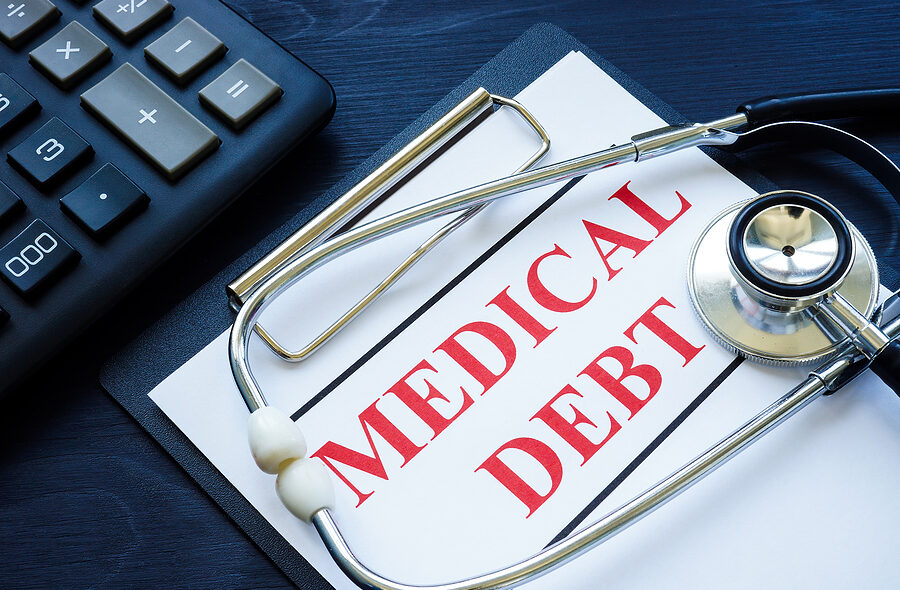
Medical Debt

Consumer Financial Protection Bureau’s Medical Debt Rule Delayed

A U.S. District Court judge in the Eastern District of Texas has twice ordered a stay of the medical debt rule, which was supposed to take effect on March 15. The rule would have wiped out $50 million of medical debt from credit reports. At the time, benefitting 15 million Americans. An independent agency had calculated that the new credit reporting rules would result in an additional 22,000 mortgages every year and boost Americans’ credit scores by an average of 20 points.

U.S. District Judge Sean Jordan, who was appointed by President Trump during his first term, argued in his decision that the Fair Credit Reporting Act does not allow the Consumer Financial Protection Bureau (CFPB) to remove medical debt from reports. New leadership appointed by President Trump now runs the CFPB. And the agency did not just reverse its position on the consumer protection rule; it joined forces with the plaintiffs who filed the suit trying to block it.

The outcome of the lawsuit, filed on the same day the rule was issued, has important financial implications for millions of Americans whose medical debt has negatively impacted their credit scores.

Click here to read more on this story.

Those who have experienced illness or injury and found themselves overwhelmed with medical debt should contact an experienced Miami bankruptcy attorney. In bankruptcy, medical bills are considered general unsecured debts just like credit cards. This means that medical bills do not receive priority treatment and can easily be discharged in bankruptcy. Bankruptcy laws were created to help people resolve overwhelming debt and gain a fresh financial start. Bankruptcy attorney Timothy Kingcade knows how to help clients take full advantage of bankruptcy laws to protect their assets and get successful results. Since 1996 Kingcade Garcia McMaken, P.A., has been helping people from all walks of life build a better tomorrow. Our attorneys help thousands of people every year take advantage of their rights under bankruptcy protection to restart, rebuild, and recover. The day you hire our firm; we will contact your creditors to stop the harassment. You can also find useful consumer information on the Kingcade Garcia McMaken, P.A. website at www.miamibankruptcy.com.

Foreclosure Defense, Foreclosures

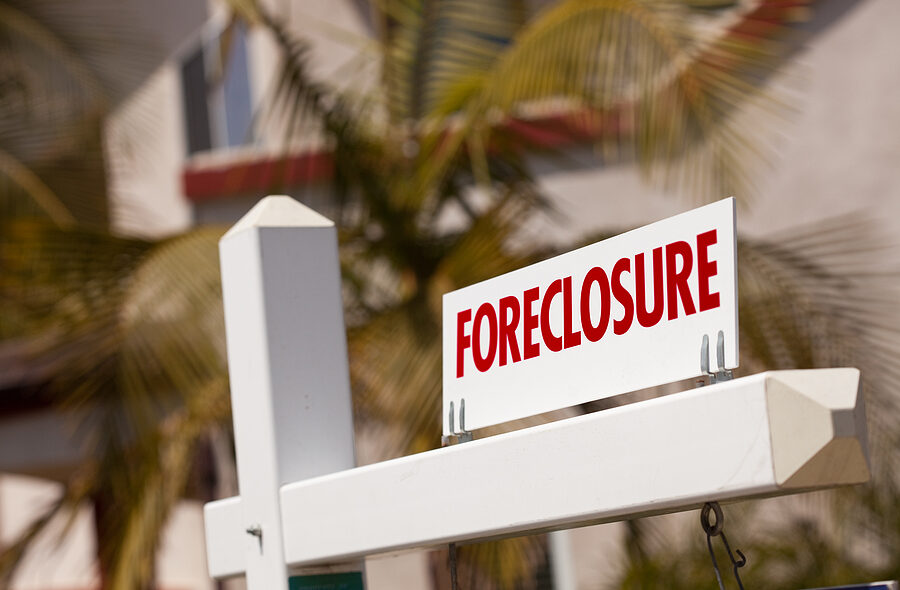
This Florida Metro Has Been Named the Foreclosure Capital of the US

According to real estate data from ATTOM, Florida’s Lakeland region has the nation’s highest number of foreclosures. One out of every 172 housing units had foreclosure filings, according to the real estate data firm.

There is a combination of factors that attribute to this rating. One being a population influx. Another factor is the price of home insurance, and rising insurance premiums. Floridian’s pay an average annual premium of $5,292 for a home worth $3000,000, according to Bankrate. That’s nearly two-and-a-half times the national average of $2,267.  Other factors, include increased property taxes, regulatory changes that impact older condominiums, elevated mortgage rates, inflation, and job losses.

Foreclosures can oftentimes be a precursor to bankruptcy, and both have risen drastically over the last 12 months.   The key is to respond quickly to avoid losing your home through foreclosure. It may seem counter-intuitive, but when someone is facing foreclosure and is in the middle of a major financial crisis, bankruptcy can be a viable option to help save that person’s home. Ultimately, it depends on your specific financial situation and the type of bankruptcy you file – but bankruptcy can be used as a tool to help keep your home.

Click here to read more.

Choosing the right attorney can make the difference between keeping your home or losing it in foreclosure. A well-qualified Miami foreclosure defense attorney will not only help you keep your home, but they will be able to negotiate a loan that has payments you can afford. Miami foreclosure defense attorney Timothy Kingcade has helped many facing foreclosure alleviate their stress by letting them stay in their homes for at least another year, allowing them to re-organize their lives. If you have any questions on the topic of foreclosure, please feel free to contact me at (305) 285-9100. You can also find useful consumer information on the Kingcade Garcia McMaken website at www.miamibankruptcy.com.

Bankruptcy Filings, Bankruptcy Trends, Consumer Bankruptcy, Consumer Debt, Timothy Kingcade Posts

Consumer Bankruptcy Inquiries Reach Highest Level Since the Pandemic

People inquiring about filing for bankruptcy have reached its highest level since 2020.  Insurmountable debt, years of steep inflation, costly mortgages, and a weakened housing market remain the driving factors.

Legal Service provider, LegalShield, reported bankruptcy legal inquiries jumped in Q1 following three quarters of “high consumer stress.” The index is based on a survey of more than 25 million legal requests.

Prolonged financial stress combined with price pressures driven by tariff uncertainty will likely contribute to a surge in bankruptcy filings this summer.

These bankruptcy warning signs come amid a third straight quarter of elevated consumer stress measured by LegalShield’s Consumer Stress Legal Index (CSLI), pointing to a heightened financial strain that has become a “new normal” for American households.

Tariffs are driving up costs on everything from food and clothing to electronics and cars. The increased costs are typically passed on to consumers.

The share of households more than 90 days late on credit cards and car loans hit a 14-year high at the end of 2024, according to The Federal Reserve Bank of New York, and delinquencies are still climbing. Credit card balances also hit a record high of $1.21 trillion.

Click here to read more.

If you have questions on this topic or are in a financial crisis and considering filing for bankruptcy, contact an experienced Miami bankruptcy attorney who can advise you of all of your options. As an experienced CPA as well as a proven bankruptcy lawyer, Timothy Kingcade knows how to help clients take full advantage of the bankruptcy laws to protect their assets and get successful results. Since 1996 Kingcade Garcia McMaken has been helping people from all walks of life build a better tomorrow. Our attorneys’ help thousands of people every year take advantage of their rights under bankruptcy protection to restart, rebuild and recover. The day you hire our firm, we will contact your creditors to stop the harassment. You can also find useful consumer information on the Kingcade Garcia McMaken website at www.miamibankruptcy.com.