
An emergency bankruptcy filing is a streamlined process used in situations where the filer urgently needs to stop a creditor from collecting on a debt. It is often referred to as a skeleton bankruptcy filing because it’s so simplified.
The filer receives the same benefits and protections they would in a standard bankruptcy case. Like the automatic stay, which puts an immediate halt to all collection activity. The emergency filing gives the same protection after completing certain online forms and submitting the remaining required documents later.
The shortened process allows you to start a bankruptcy case by submitting an incomplete, otherwise “bare bones” filing. The best part about an emergency bankruptcy filing is that it can be completed online and in a matter of minutes.
A specific emergency isn’t required for a skeleton filing. Anyone who needs to file quickly to prevent an unwanted event from happening can use the process. For instance, bankruptcy can stop:
- Foreclosure
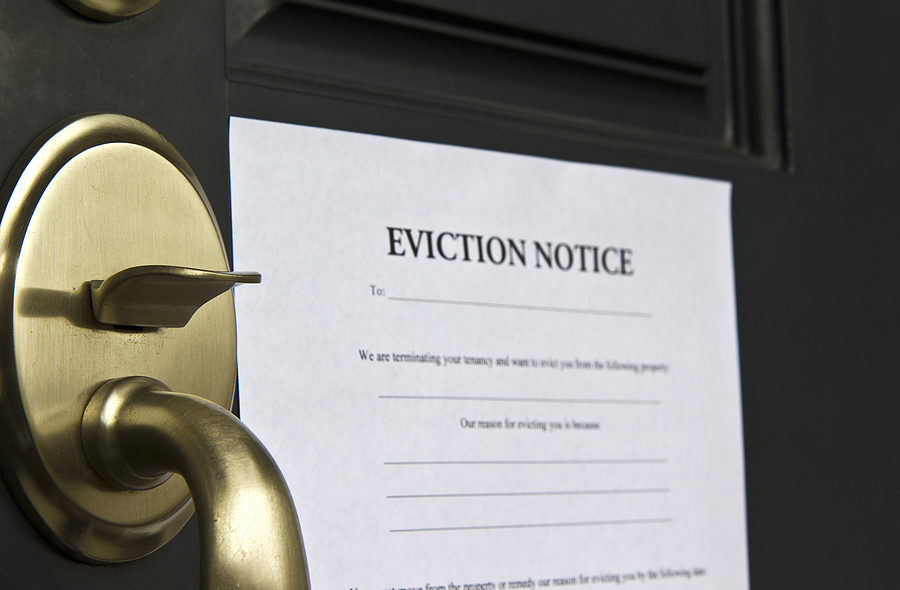
- Eviction
- Vehicle Repossession
- Wage Garnishment
- Legal action, such as a deposition or trial.
After filing the petition, the bankruptcy automatic stay goes into place and stops these types of issues immediately.
When is an emergency bankruptcy filing appropriate? It is appropriate when a debtor is facing an imminent foreclosure on his or her home or a repossession of his or her vehicle. Since the amount of paperwork needed to formally open a bankruptcy case is significant and cannot be done overnight, it may not be done quickly enough to stop the foreclosure or repossession from happening. However, with an emergency bankruptcy petition, it is possible to be done quickly enough to get the automatic stay and protect the filer’s assets. The key is the filer must file the additional documents within 14 days or his or her bankruptcy petition will be dismissed. The filer must also comply with other rules, which will be provided on the court’s website.
Certain documents are required for an emergency bankruptcy filing. The bankruptcy petition is the essential part of the bankruptcy case, which will determine which chapter of the bankruptcy code forms the basis of the filing. The creditors’ contact information is also required with the emergency bankruptcy filing, along with a credit counseling certificate of completion or a waiver request, along with a Form B121. The filing will also be accompanied by a filing fee, although the filer can submit a request for a fee waiver. It is also possible to submit the fee in installments if this makes the situation more financially feasible.
Occasionally, the filer may also need to complete additional paperwork, as required by the court. It is important that the filer complies with these requirements, or the court will dismiss the bankruptcy petition within a certain required period, usually within 14 days.
If you have questions on this topic or are in financial crisis and considering filing for bankruptcy, contact an experienced Miami bankruptcy attorney who can advise you of all of your options. As an experienced CPA as well as a proven bankruptcy lawyer, Timothy Kingcade knows how to help clients take full advantage of the bankruptcy laws to protect their assets and get successful results. Since 1996 Kingcade Garcia McMaken has been helping people from all walks of life build a better tomorrow. Our attorneys help thousands of people every year take advantage of their rights under bankruptcy protection to restart, rebuild and recover. The day you hire our firm, we will contact your creditors to stop the harassment. You can also find useful consumer information on the Kingcade Garcia McMaken website at www.miamibankruptcy.com.
Source: JUSTIA.com