Bankruptcy Law, Debt Collection

Collection Laws & Bankruptcy: What are my Legal Rights?

Any business that extends credit to a consumer must adhere to federal and state consumer laws and fair debt collection practices. When businesses extend credit to consumers, they run the risk of the consumer not being able to pay them back.

When a creditor attempts to collect a debt directly, state law governs the collection process. In many states, the creditor must contact the consumer by phone and provide written notice before starting formal collection proceedings. Most states prohibit repeated harassing phone calls, threats of legal action that cannot be taken, misrepresenting the creditor’s identity, sending mail that references debt collection on the outside, and attempting to collect more than the amount owed.

State and federal laws protect consumers from harassment by creditors and debt collection agencies.

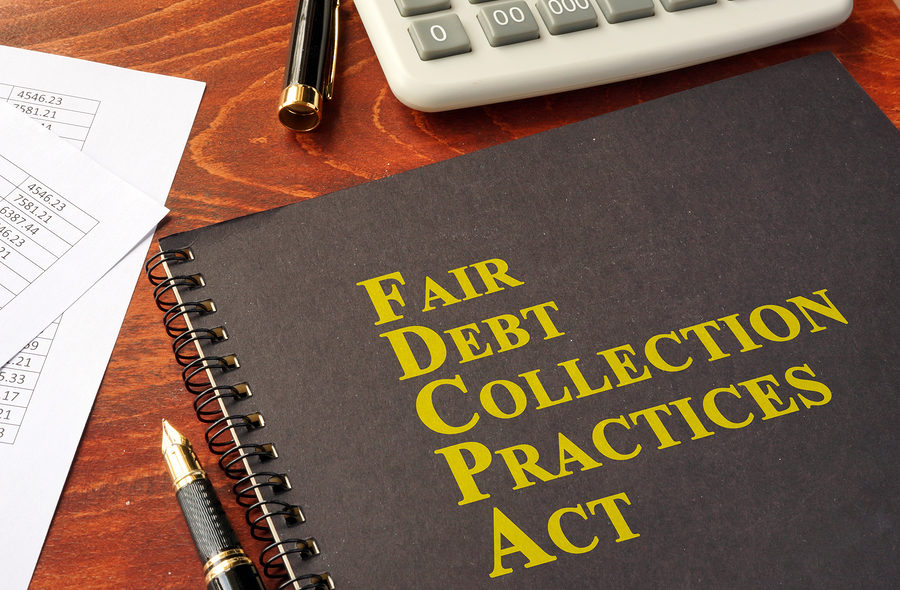
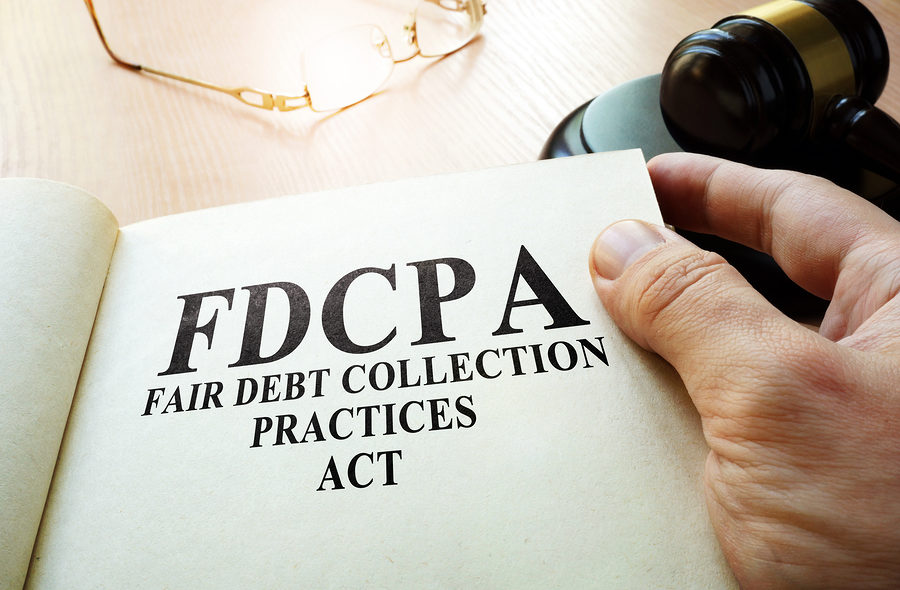
Debt collection agencies must comply not only with state laws, but also with the federal Fair Debt Collection Practices Act (FDCPA). The FDCPA prohibits abusive and deceptive debt collection tactics, such as calling a consumer and failing to identify the reason for calling, calling at inappropriately early or late hours, contacting the consumer at work after being told the consumer cannot receive calls at work, revealing the consumer’s debt to third parties, or threatening violence.

Collections and Bankruptcy

Filing for Chapter 7 or Chapter 13 bankruptcy triggers an automatic stay. This is one of the best tools available to bankruptcy filers. When a person files for bankruptcy, the court will issue an order called an automatic stay. This puts an immediate stop to collection attempts, creditor harassment, along with any civil lawsuits filed against the person pursuing bankruptcy.

The automatic stay gives filers relief when they face multiple financial pressures and collection actions at the same time.

Automatic Stay Benefits

When someone is facing severe financial hardship, they may be at risk of losing the most basic of necessities. If they are behind on utility bills and face losing water, electricity, or gas service, the automatic stay can give them extra time to resolve the issue and avoid a shutoff.

The same protection applies to someone facing foreclosure. The automatic stay immediately pauses those proceedings. If the filer rents their home and is facing eviction, the stay may also provide temporary relief.

Click here to read more.

If you have questions about this topic or are facing financial hardship and considering bankruptcy, contact an experienced Miami bankruptcy attorney who can explain your options. As both an experienced CPA and a proven bankruptcy lawyer, Timothy Kingcade helps clients use bankruptcy laws to protect their assets and pursue successful outcomes. Since 1996, Kingcade Garcia McMaken has helped people from all walks of life build a stronger financial future. Our attorneys help thousands of people each year use bankruptcy protection to restart, rebuild, and recover. Once you hire our firm, we will contact your creditors to stop the harassment. You can also find helpful consumer information on the Kingcade Garcia McMaken website at www.miamibankruptcy.com.

Related Resource: Creditor Held in Contempt of Court for Violating Automatic Stay
Credit Card Debt

How to Respond If You Are Sued for Credit Card Debt

Most consumers utilize a credit card at some point in their lives, and many of them carry credit card debt from month-to-month. The amount of credit card debt carried by consumers is growing. It is estimated that around 23.5 percent of all Americans struggle with some type of debt in collections status, according to the Consumer Financial Protection Bureau (CFPB), and much of this debt involves credit card debt. If a consumer is on the receiving end of a collections lawsuit for credit card debt, it is important to know how to respond.

A collections lawsuit can vary, depending on the jurisdiction, but, the steps are all fairly uniform. The first thing to expect is the consumer will receive a complaint filed in civil court, along with a summons. This summons should contain a number of important pieces of information including who is suing the consumer, whether any additional co-defendants are a part of the lawsuit, how much money the creditor is attempting to seek, which can include the balance owed, along with interest fees and legal fees, the date of the hearing, and how to file a formal answer or response to the complaint.

Debt Collection

What Consumers Need to Know About Debt Collection Rules ‘Regulation F’

Several new debt collection rules have been announced by the Consumer Financial Protection Bureau (CFPB). These rules, through what is called Regulation F, offer greater control to consumers over the various method and times they will be able to be contacted by debt collectors.

Regulation F was implemented by the CFPB on October 30, 2020, and December 18, 2020. The regulation was created to interpret the Fair Debt Collection Practices Act (FDCPA). The FDCPA is meant to protect consumers from abusive collection tactics by third-party debt collectors. Regulation F officially went into effect on November 30, 2021. The FDCPA and the regulations included in Regulation F apply only to third-party debt collectors and not original creditors.

Debt Collection

Can a Debt Collector Contact me on Facebook?

Debt collectors will resort to any tactic possible to contact a consumer regarding an outstanding debt. Traditionally, these communications have come in the form of phone calls or letters, but as technology has advanced, text and email communication have become a common way of reaching consumers. Debt collectors are also resorting to tracking people down through their social media accounts.

A federal agency issued a new rule that allows debt collectors to contact people by email, text message, and social media platforms, including Twitter, Facebook, and Instagram.

Debt Collection

What Behavior Is Considered Harassment by a Debt Collector?

Most people never expect to fall behind on their debts. Sometimes, however, circumstances beyond a person’s control result in them being contacted by a debt collector. This is not uncommon today. In fact, 77 million American consumers or 35 percent of all adult consumers have a debt in collection.

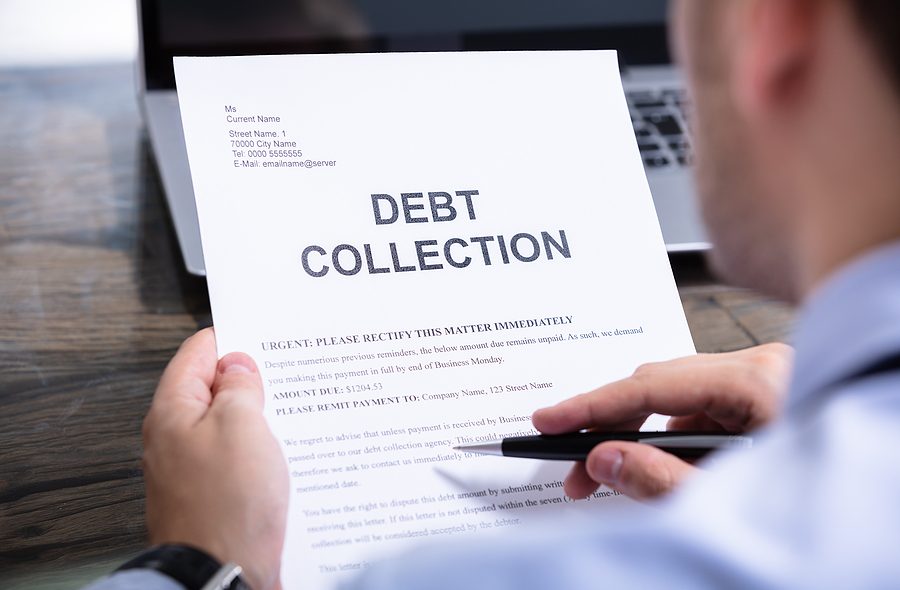
Being on the receiving end of debt collection phone calls and other communication can be extremely stressful. Debt collectors are paid to do whatever they can to get a consumer to pay off a debt, which often results in the collectors trying to reach the consumer through phone calls, emails, texts, and direct mail so much that it borders on harassment. However, federal law prohibits certain behaviors from third-party debt collectors to protect the consumer.

Medical Debt

CFPB Provides Details on No Surprise Act with Bulletin on Medical Debt Collection

The Consumer Financial Protection Bureau (CFPB) released a bulletin regarding the recently passed No Surprise Act, specifically relating to both consumer reporting requirements and medical debt collection. This CFPB bulletin provides consumers with information on compliance requirements in a hope to clarify the new law for consumers and third-party debt collectors.

The No Surprise Act was enacted to protect consumers from being forced to pay for out-of-network through what is known as surprise billing. Surprise billing occurs when the customer receives a medical bill showing that a medical expense is much more than anticipated. Unfortunately, circumstances do exist where a consumer receives medical services from a hospital or other medical provider that he or she believes is in-network. However, the consumer soon receives an unwarranted surprise in the form of a bill showing that the doctor within that hospital is actually out-of-network.

In the bulletin, the CFPB warns debt collectors about how the Fair Debt Collection Practices Act (FDCPA) intersects with the No Surprise Act. Specifically, the CFPB expressed concerns regarding debt collection practices where the collector uses “false, deceptive or misleading representations” to get the consumer to pay on the debt. For example, a debt collector may feel compelled to make certain misrepresentations to the consumer that he or she must pay a debt that would otherwise fall under the No Surprise Act, when, in fact, the person is able to dispute the out-of-network charges made. Additionally, collecting an amount that far exceeds what is owed for medical care could also be considered a violation of the FDCPA.

The bulletin also expressed concerns regarding consumer reporting agencies (CRAs) publishing information regarding any unpaid medical debts that would otherwise fall under the provisions of the No Surprise Act. Under the Fair Credit Reporting Act (FCRA), CRAs are required to ensure that the information provided is accurate. CRAs and furnishers of consumer credit reporting information must establish and abide by reasonable procedures to ensure all information is accurate, and if there is any possibility that information published is not accurate, the CRA and furnisher must conduct a reasonable and timely investigation. Given that the No Surprise Act deals with situations where consumers may be told they owe a large amount of debt on a medical expense that would otherwise be covered, ensuring that CRAs are being diligent and careful when reporting this information is important.

Given the implications involved, it is important that both sides know what steps need to be taken to reduce the risk for liability in dealing with these debts. Additional guidance and information is anticipated as both consumers and debt collectors navigate the provisions of this new law.

Please click here to read more.

Those who have experienced illness or injury and found themselves overwhelmed with medical debt should contact an experienced Miami bankruptcy attorney. In bankruptcy, medical bills are considered general unsecured debts just like credit cards. This means that medical bills do not receive priority treatment and can easily be discharged in bankruptcy. Bankruptcy laws were created to help people resolve overwhelming debt and gain a fresh financial start. Bankruptcy attorney Timothy Kingcade knows how to help clients take full advantage of the bankruptcy laws to protect their assets and get successful results. Since 1996 Kingcade Garcia McMaken, P.A. has been helping people from all walks of life build a better tomorrow. Our attorneys’ help thousands of people every year take advantage of their rights under bankruptcy protection to restart, rebuild and recover. The day you hire our firm, we will contact your creditors to stop the harassment. You can also find useful consumer information on the Kingcade Garcia McMaken, P.A. website at www.miamibankruptcy.com.

Debt Collection, Debt Relief

CFPB Announces Two Final Debt Collection Rules to Go into Effect November 30

The Consumer Financial Protection Bureau (CFPB) announced two final debt collection rules which are scheduled to take effect on November 30, 2021. These two rules clarify and add further detail to provisions of the Fair Debt Collection Practices Act (FDCPA), the law that offers protections to consumers from abusive or unfair collection practices from third-party debt collectors.

These rules were originally going to be made effective in the spring, but the CFPB delayed the effective date by 60 days to allow all affected parties time to comply due to the COVID-19 pandemic. However, after making the announcement regarding a 60-day delay, the CFPB determined that the extension was not needed and published the official notice in the Federal Register officially withdrawing the extension.

Debt Collection

How Federal Laws Protect You When Dealing with Debt Collectors

Dealing with debt collectors can be stressful. Their job is to get the consumer to pay on a debt at any means necessary, which can often mean through coercion, harassment, and fear. Many debt collectors have been known to use aggressive or illegal tactics to collect on a debt, leaving many consumers to feel like they have no choice but to make payment to get them to go away. However, federal law offers certain protections when it comes to debt collectors. It is important that consumers understand what these protections are so that they are aware of what rights they do have when dealing with debt collectors.

According to the Consumer Financial Protection Bureau (CFPB), nearly one in every four people have a debt in collections. Illegal debt collection practice is a common complaint made to the CFPB.  

Debt Collection, Debt Relief

Understanding Zombie Debt and the Statute of Limitations

Consumer debts have what is called a statute of limitations. This is the amount of time the creditor can use the court to force a consumer to pay a debt. After the statute of limitations has expired on a debt, it is no longer legally enforceable. Occasionally, however, a consumer may be contacted regarding an old debt by a collector who hopes the consumer will ‘restart the statute of limitations.’

Zombie debt is debt that the consumer thinks is “dead,” meaning it is past the statute of limitations that the debt collector is now trying to bring back to life. While the debt collector cannot take the consumer to court to collect on the debt, there are no laws saying they cannot continue to contact the consumer to collect what is owed. Many times, debt collection agencies will purchase expired debt to turn a profit. Since the cost to buy expired debt is exceptionally low, even if they collect on a handful of accounts, they are still earning a profit.