Certain debt forgiveness can come with financial repercussions, especially when it comes to taxes. This cancelled debt includes debt that was significantly reduced through debt settlement negotiations or debt that was completely cancelled or forgiven by the creditor, including credit card debt.
Tag: Kingcade
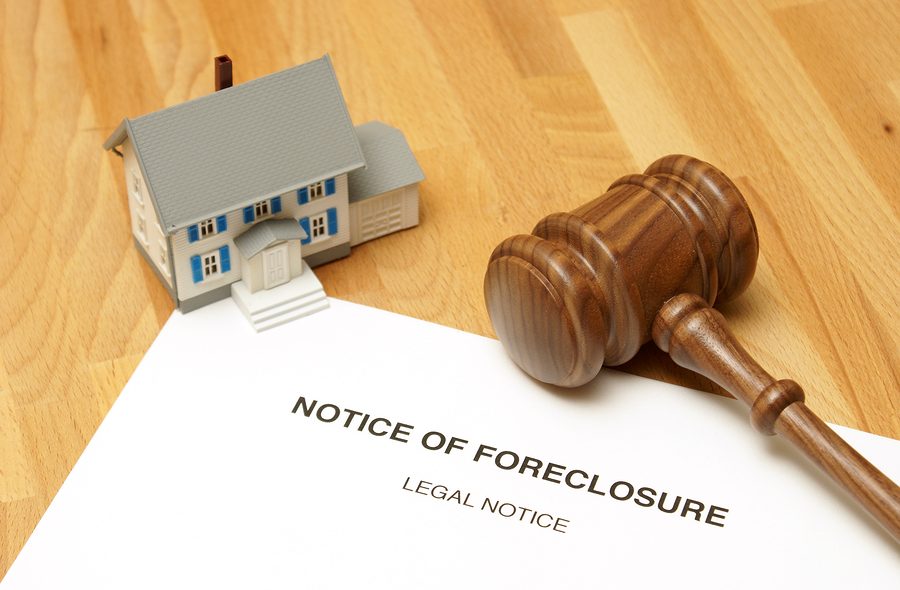
What is the Foreclosure Process in Florida?
Foreclosure is a process most homeowners want to avoid. After all, no one wants to lose their home. Florida has what is called a ‘judicial foreclosure process’, meaning the homeowner is entitled to a hearing before the court to determine whether or not the bank has the right to foreclose.
Pre-foreclosure
The period after the homeowner misses mortgage payments but just before foreclosure officially begins, is known as the “pre-foreclosure” stage. During pre-foreclosure, the mortgage service provider will likely add fees to the outstanding balance, including late fees and inspection fees. Mortgage providers are entitled to conduct inspections of the property when payments are missed to ensure that the property is still occupied and in good shape. They must also communicate with the homeowner about the possibility of foreclosure, and this communication comes in the form of a pre-foreclosure letter or breach letter. The breach letter must inform the homeowner that his or her loan is in default and must give the homeowner the chance to cure the default and prevent foreclosure.
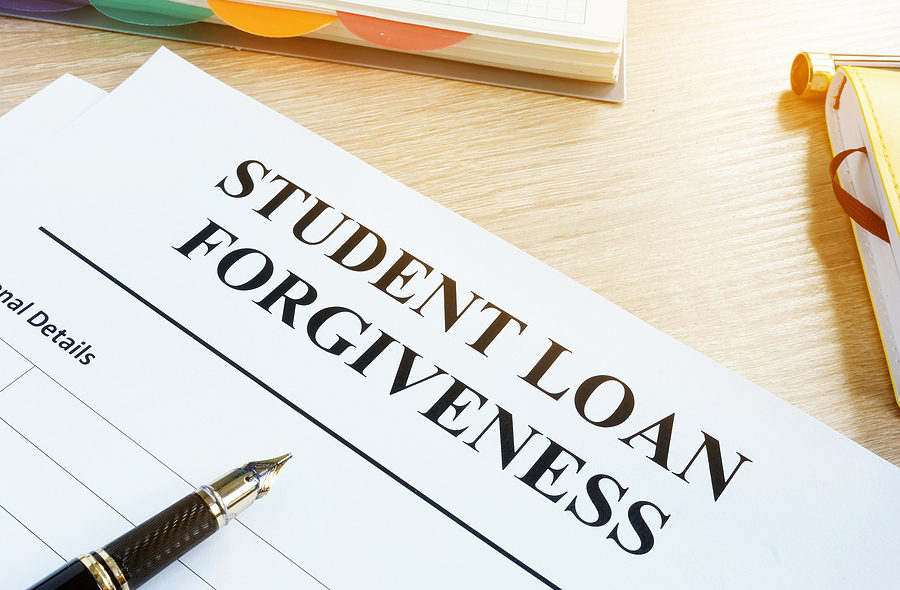
Will You Owe Taxes on Your Student Loan Debt Forgiven by Biden?
President Joe Biden recently announced a widespread student debt relief program that will cancel up to $20,000 in federal student loans for single borrowers who earn less than $125,000 annually and married borrowers who file taxes jointly and earn less than $250,000 annually.
Now that the program has been announced, borrowers have questions about what the legal and tax implications will be of this loan forgiveness. One specific question that has been asked is whether the amount forgiven is considered taxable income?
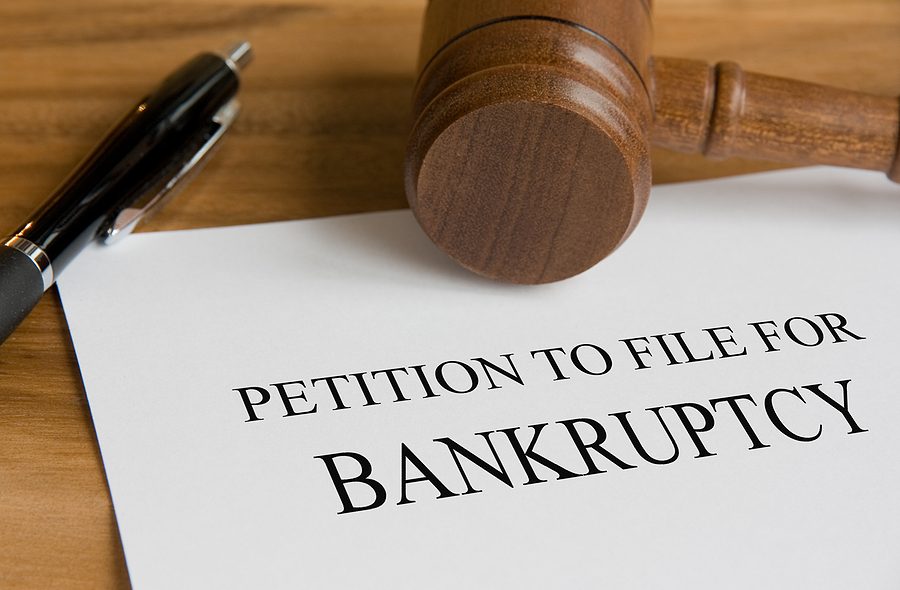
Debunking the Biggest Bankruptcy Myths
One of the biggest reasons consumers hold off on filing for bankruptcy has to do with the myths surrounding the process. Misconceptions are often the reason behind these myths. Debunking these bankruptcy myths can shed light on the legal process that can help (and has helped) so many people, including an estimated 885,000 American consumers last year.
Myth 1: Bankruptcy Irreversibly Damages a Consumer’s Credit Score
While, yes, a bankruptcy case will almost certainly hurt a consumer’s credit score, this damage is far from permanent. In fact, many consumers have successfully rebuilt their credit scores after successfully completing a bankruptcy case.
Consumer Bankruptcy Filings Increase in August
Bankruptcy filings increased in the month of August for all chapters of consumer bankruptcy cases, according to a new study conducted by Epiq. A total of 35,355 bankruptcy filings were reported in August, which represents a 10 percent increase from the total of 32,276 reported in August 2021.
Commercial bankruptcy filings also increased by six percent in August. A total of 1,861 filings were made in August 2022, as compared to the 1,753 cases filed in August 2021. Individual bankruptcy filings increased by 10 percent. A total of 33,494 filings were made in August 2022 and 30,523 were filed in August 2021.
What to Expect Before, During and After Filing for Bankruptcy
The process of filing for bankruptcy can seem daunting and unclear for many filers. The uncertainty behind the process often drives the fear of the unknown, which keeps many people from pursuing a bankruptcy case. Pulling back the curtain and knowing what to expect when filing for bankruptcy can help clear up any myths or misconceptions surrounding bankruptcy.
Making the decision to pursue a bankruptcy case is often the thing that holds people back the most. It can be difficult for someone to admit that they need financial help offered through a bankruptcy case. Many see it as admitting failure, which could not be any further from the truth.
Can I Keep My Retirement Accounts in Bankruptcy?
No one wants to lose their hard-earned savings in a bankruptcy case, especially retirement accounts. In fact, the fear of losing everything is one of the main reasons why consumers hold off on filing for bankruptcy. Most people work hard over the course of many years to build up a nest egg that they hope will carry them through retirement. The good news is retirement accounts are protected in bankruptcy. A law was issued in 2005, the Bankruptcy Abuse Prevention and Consumer Protection Act (BAPCPA), which gave protection to all types of individual retirement accounts, otherwise known as IRAs.
The type of protection depends on the type of IRA. Traditional IRAs and Roth IRAs are protected to a value of more than $1 million. However, SEP IRAs, SIMPLE IRAs, and most rollover IRAs receive full protection from bankruptcy creditors, no matter how much is in each account.
Medical Debt May No Longer Affect Your Credit Score
Relief may be on the way for consumers struggling with medical debt. As of July 1, 2022, the three largest credit bureaus, TransUnion, Equifax, and Experian, are removing cleared medical debts from consumers’ credit reports.
What this means is if the consumer has paid his or her medical bill in full, and that debt is still plaguing his or her credit report, this negative mark will now be removed. This announcement comes as part of a larger endeavor by the Biden administration to either decrease or eliminate medical debt as part of government lending determinations.
Dispelling Myths about Private Student Loans and Bankruptcy
Federal student loans often are not enough to cover the costs of attending a university. Many times, student borrowers need to seek additional sources of funding, including private student loans, to pay for the costs not covered by their federal student loans. Borrowers often operate under the misconception that, like federal student loans, these private loans are also not dischargeable in bankruptcy. In fact, many misconceptions exist surrounding private student loans and how they are handled in a consumer bankruptcy case.
One of the biggest of these misconceptions is that private student loans can be discharged in a bankruptcy case. While student loans are harder to discharge in bankruptcy, it is not impossible. With federal student loans, the bankruptcy filer must start a separate adversary proceeding where he or she needs to prove that paying these debts would present an undue hardship. However, private student loans are not always subject to this extra step in a bankruptcy case.
Does Bankruptcy Eliminate Tax Debt?
By the time an individual reaches the point of filing for bankruptcy, he or she is likely inundated with all types of consumer debt, ranging from medical debt to credit card debt and possibly, tax debt. While a consumer bankruptcy case will eliminate a large portion of this debt, tax debt is not normally included in this list.
Taxes fall into the category of “non-dischargeable priority debt,” which means that the bankruptcy case will not eliminate them. Additionally, repayment of these claims is given priority over other creditors’ claims. However, circumstances do exist where tax debt can be discharged with a bankruptcy filing, but certain requirements must exist before that can happen.