student loan debt, Student Loans

Biden Administration Cancels Additional $55.6 Million in Student Loan Debt

The Biden Administration canceled an additional $55.6 million in student loans for 1,800 students who were found to be victims of fraud. This additional amount brings the total amount of student loan debt cancelled by the Biden administration to $1.5 trillion. 

Since entering office, President Biden has made it his mission to stand up for the thousands of students who were taken advantage of by for-profit colleges. This most recent effort was focused on students who attended Westwood College, Marinello Schools of Beauty, and the Court Reporting Institute. Previously, the administration had approved loan forgiveness for students who attended ITT Technical Institute, the American Career Institute and Corinthian College. This is the first time the Department of Education has approved loan forgiveness for students attending for-profit schools not including these three.  

Debt Collection

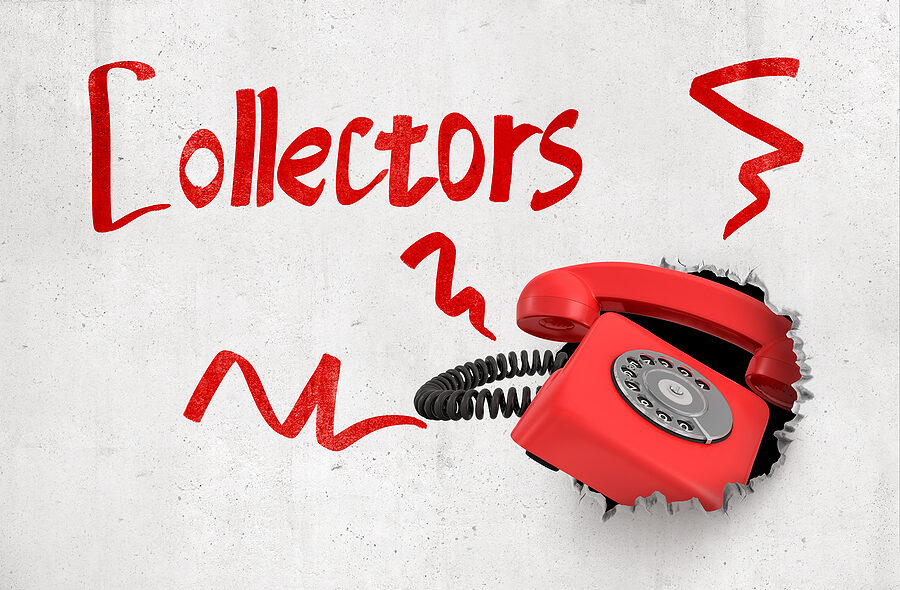
How Federal Laws Protect You When Dealing with Debt Collectors

Dealing with debt collectors can be stressful. Their job is to get the consumer to pay on a debt at any means necessary, which can often mean through coercion, harassment, and fear. Many debt collectors have been known to use aggressive or illegal tactics to collect on a debt, leaving many consumers to feel like they have no choice but to make payment to get them to go away. However, federal law offers certain protections when it comes to debt collectors. It is important that consumers understand what these protections are so that they are aware of what rights they do have when dealing with debt collectors.

According to the Consumer Financial Protection Bureau (CFPB), nearly one in every four people have a debt in collections. Illegal debt collection practice is a common complaint made to the CFPB.  

Debt Relief

What is Debt Relief and When Should I Seek It?

Debt can seem like an insurmountable burden, impossible to escape once a consumer has gotten too far in. Different options are available for dealing with credit card debt, student loan debt, and other consumer debts.  

Many times, consumers find themselves overwhelmed with several different types of debt in differing amounts.

Consumer Bankruptcy, Legal Awards

Miami Bankruptcy Attorney Timothy S. Kingcade Named a Florida Super Lawyer 8 Consecutive Years

Managing Shareholder, Timothy S. Kingcade of the Miami-based bankruptcy and foreclosure defense law firm of Kingcade Garcia McMaken has been selected for inclusion in Florida Super Lawyers 2021, in the practice area of consumer bankruptcy. This is the eighth consecutive year Kingcade has been selected to the Florida Super Lawyers list (2014-2021). The prestigious honor is awarded to only five percent of lawyers in the state.

After receiving one of the highest point totals, Kingcade was also selected to be on the Florida Super Lawyers Blue Ribbon Panel. Only those in each practice area with the highest point totals are asked to be part of the panel to evaluate the candidacy of fellow lawyers to enter the prestigious Super Lawyer rankings.

Debt Collection

Can Debt Collectors Contact You on Social Media?

Debt collectors will attempt to contact a consumer through any means necessary to collect on a debt. As more consumers communicate with each other via social media, debt collectors are utilizing these platforms as another means to contact consumers.

A federal agency issued a new rule that would allow debt collectors to contact people by email, text message, and social media platforms, including Twitter, Facebook, and Instagram.

The new rule limits how many times the collection agency can contact the consumer via telephone. Collectors will be limited to seven debt-collection phone calls weekly, but they are allowed to send an unlimited number of text messages, email messages, and social media private posts.

student loan debt, Student Loans

Former ITT Tech Students Receive Debt Relief from Biden Administration

The U.S. Department of Education announced Wednesday that 18,000 former ITT Technical Institute students who were found to be defrauded by the shuttered for-profit university will have their federal student loans cancelled in full. This move is a step in the right direction. The for-profit school closed permanently in 2016, leaving tens of thousands of students with massive student loan debt, and no degree.  

More than 30,000 former students petitioned the Department of Education to cancel their debt under the “borrower defense to repayment law.” However, even after being defrauded by ITT Tech, their claims were denied by officials under the Trump administration.  

Credit Card Debt

Negotiating a Lower Interest Rate on Credit Cards

Paying down a credit card balance can be difficult, especially if the card carries a high interest rate. According to CreditCards.com, the average credit card interest rate in the U.S. is 16.15 percent (16.15%), and for many consumers, their interest rate is significantly higher, which can make paying off large balances very difficult. The good news is credit card interest rates can be negotiated, so long as the consumer knows how to do it.   

It helps to do some preparation before contacting the credit card company. The consumer should first be aware of what his or her credit score is before making contact. The credit card company will closely examine the consumer’s credit score, as well as his or her payment history. Every consumer is entitled to a free annual credit report, which should be closely reviewed before calling the credit card company. Be aware of all missed payments or late payments in case these are brought up in conversation.  

Bankruptcy Law

Understanding the Difference Between Exempt and Non-Exempt Property in Chapter 7 Bankruptcy

Before filing for bankruptcy, many people fear losing their property during the process. Federal bankruptcy laws, as well as Florida bankruptcy laws, allow for certain property to be protected under what are known as bankruptcy exemptions. However, not all property is protected, and it is important for filers to be aware of the difference between exempt and non-exempt property in a bankruptcy case.  

When filing for Chapter 7 bankruptcy, the filer should expect for a significant portion of his or her property to be turned over to the court as part of the “bankruptcy estate.” The bankruptcy trustee will sell this non-exempt property to pay off the debtor’s creditors before a bankruptcy discharge is granted. 

Credit Card Debt

Credit Card Debt Drops a Staggering $56.5 Billion in First Quarter of 2021

Credit card balances saw a record reduction during the first quarter of 2021, after a previous record-setting reduction year was seen in 2020.  According to a study published by the personal-finance website WalletHub, American consumers paid off $56.5 billion in credit card debt during the first quarter of 2021. 

WalletHub reported that American consumers paid off $82.1 billion in credit card debt in 2020, which is a significant accomplishment considering the challenges many people faced last year. However, this decrease in credit card balances does not necessarily mean that the credit card debt crisis has been solved. There is still a collectively $900 billion in outstanding credit card debt. The average household carries a balance of $7,519, and these figures are expected to rise. In fact, WalletHub is projecting consumers will add $60 billion to the nation’s total credit card balances.  

The quarter one decrease in credit card debt was 51 percent larger than the average credit balance paydown since the Great Recession.   

Certain U.S. cities did better than others in paying down credit card balances. Pembroke Pines, Florida, ranked number five on WalletHub’s list with an average household credit card debt of $16,549 and a total credit card debt of $948,650,144. Pembroke Pines citizens paid a total of $64,124,649 of this credit card debt with an average household balance paydown of $1,119.  

Fort Lauderdale came in 24th on the list of cities that did well in paying down their credit card balances. The average Fort Lauderdale household carried $14,400 in credit card debt with a total debt in the amount of $1,073,761,245. Of this amount, Fort Lauderdale residents paid down $72,581,618.  

Financial analysts believe that this data shows that U.S. consumers are in good financial shape in 2021. However, they do anticipate a $60 billion national increase by the end of the fourth quarter of 2021, considering the fact that COVID stimulus packages and additional unemployment benefits will phase out this year.  

As bankruptcy attorneys, we see credit card debt as one of the most common problems facing those with serious financial challenges.  It is not surprising with the high interest rates, unreasonable fees, harassing debt collection calls, penalties and never-ending minimum payments that do not even make a dent in your actual debt.

Filing for bankruptcy is a viable option for those struggling with insurmountable credit card debt. Chapter 7 is the fastest form of consumer bankruptcy and forgives most unsecured debts like credit card debt, medical bills and personal loans.  There are certain qualifications a consumer must meet in regards to income, assets and expenses to file for Chapter 7 bankruptcy, which is determined by the bankruptcy means test.

If you have questions on this topic or are in financial crisis and considering filing for bankruptcy, contact an experienced Miami bankruptcy attorney who can advise you of all of your options. As an experienced CPA as well as a proven bankruptcy lawyer, Timothy Kingcade knows how to help clients take full advantage of the bankruptcy laws to protect their assets and get successful results. Since 1996 Kingcade Garcia McMaken has been helping people from all walks of life build a better tomorrow. Our attorneys’ help thousands of people every year take advantage of their rights under bankruptcy protection to restart, rebuild and recover. The day you hire our firm, we will contact your creditors to stop the harassment. You can also find useful consumer information on the Kingcade Garcia McMaken website at www.miamibankruptcy.com.   


Credit Card Debt

Which Debts Should You Pay First After Paying Off Your Credit Cards?

Credit card debt is not the only type of consumer debt people struggle with. Once this debt is paid off in full, it helps to have a plan on which debts to tackle next.

According to data from the Federal Reserve and TransUnion, American consumers paid off a total of $82.9 billion in credit card debt in 2020. Credit card balances continued to drop by $49 billion in the first quarter of 2021, which is the second-largest quarterly balance decline seen since 1999. Despite this fact, more than 20 million American consumers have their student loan debts in forbearance.  

For the most part, financial advisors recommend that consumers pay down any debts they have that carry the highest interest rates, which is why credit cards are usually the first focus. With stimulus programs still in place, providing extra income to consumers temporarily, many financial advisors argue a different theory should be followed. 

Instead of focusing on the debt with the highest interest rate, consumers should look at all their debts and consider other options, such as refinancing other debt sources to lower their interest rates or modify payments. Refinancing could be a possibility for unsecured personal loans, as well as for mortgage debt.  With lower interest rates, consumers are encouraged to take advantage of this opportunity to save money and lower monthly payments, making it easier to pay off debts in full. 

Once credit card debt is paid off, many financial advisors recommend that consumers focus next on paying off their car loans. A car loses its value significantly as soon as it is driven, which is why so many consumers find themselves owing more on the car loan than the vehicle is worth. The interest rates of car loans tend to be moderate to high, although not always as high as credit card debt, depending on the consumer. Many times, it is advisable to either sell the car and use the proceeds to pay off what is owed on the loan or to refinance the loan.   

Once personal loans, credit card debt, and car loans are paid off by the consumer, it may then be advisable to pay off outstanding federal student loans. Since payments and interest is paused on federal student loans until September 30, 2021. During this time, any payment will go towards principal and not interest rate. Paying down this debt will only help improve the consumer’s credit score. 

Please click here to read more.  

If you have questions on this topic or are in financial crisis and considering filing for bankruptcy, contact an experienced Miami bankruptcy attorney who can advise you of all of your options. As an experienced CPA as well as a proven bankruptcy lawyer, Timothy Kingcade knows how to help clients take full advantage of the bankruptcy laws to protect their assets and get successful results. Since 1996 Kingcade Garcia McMaken has been helping people from all walks of life build a better tomorrow. Our attorneys’ help thousands of people every year take advantage of their rights under bankruptcy protection to restart, rebuild and recover. The day you hire our firm, we will contact your creditors to stop the harassment. You can also find useful consumer information on the Kingcade Garcia McMaken website at www.miamibankruptcy.com.