Foreclosure Defense, Foreclosures

Wave of Foreclosures and Evictions Expected as Federal Moratoriums Expire

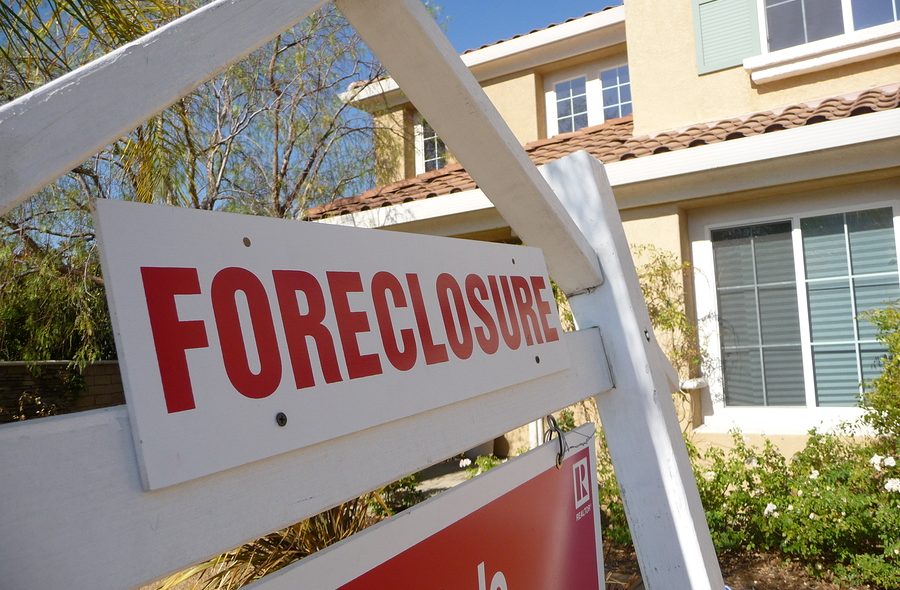
The federal moratorium on foreclosures and evictions officially expired over the weekend, leaving the legal system braced for an impending wave of filings. To offset the wave of foreclosure and eviction filings which will no doubt be on the way, lawyers and courts are finding creative solutions to the problem.  

The eviction moratorium was put into place as a way to help tenants and homeowners who were left with no income due to the coronavirus causing widespread shutdowns across the country.

President Biden has pushed on Congress to approve a one-month extension for all residential evictions. However, at this time, no federal congressional action has been taken to extend the moratorium. 

Consumer Bankruptcy

Fear Holds Many People Back from Ever Filing Bankruptcy

There are many people who can benefit from bankruptcy, but put off filing due to fear and the myths surrounding bankruptcy. Bankruptcy offers consumers a fresh financial start and relief from the burden of debt, but for many, it is the fear of the unknown that holds them back from ever taking the first step. Every year, only a small portion of consumers who could benefit from bankruptcy actually move forward with starting a case.

According to the Federal Reserve Bank of New York, approximately 14 percent (14%) of U.S. households or nearly 17 million consumers owe more than they own. While most of these individuals could benefit from bankruptcy, less than one percent (1%) of them file for bankruptcy annually. In 2020, there were only 752,160 personal bankruptcies filed. 

Foreclosures

Experts Warn of New Foreclosure Crisis in South Florida

With the federal moratorium on evictions and foreclosures set to expire, housing experts are predicting a new foreclosure crisis in South Florida.

The crisis began for many last year as COVID-19 forced thousands of Floridians out of jobs. It was not until April 2020 when the Trump Administration and many states hit the pause on all foreclosure and eviction proceedings on federally backed loans. States and the federal government extended these moratoriums throughout 2020 and into 2021. These extensions allowed individuals to remain in their homes and postpone the foreclosure process. 

Consumer Bankruptcy

Post-COVID Debt Continues to Grow as Bankruptcy Filings Fall in 2021

Financial analysts had predicted a bankruptcy surge following the COVID-19 pandemic. Courts were closed for the majority of 2020, but as they began to reopen, it was believed that a massive wave of bankruptcy filings would follow. Oddly enough, that surge never came, and the number of consumer bankruptcy filings continue to drop.

According to figures from the American Bankruptcy Institute (ABI), 181,000 bankruptcy cases were filed in the U.S. by May 2021, which is 29 percent lower than the number of cases filed by that time in 2020. As many people were forced out of jobs or laid off with businesses temporarily or even permanently closing, consumers are continuing to rely on credit cards to cover expenses.

Bankruptcy Law, Consumer Bankruptcy

The Three Most Common Fears People Have When Filing for Bankruptcy

The fear of losing everything is a very real concern for those contemplating bankruptcy. However, this is one of the most common bankruptcy myths, and can keep individuals who are drowning in debt from obtaining a fresh financial start.

To make the bankruptcy process a little easier to understand, we have dispelled the top three fears people have when filing for bankruptcy.

student loan debt, Student Loans

Biden Administration Cancels Additional $55.6 Million in Student Loan Debt

The Biden Administration canceled an additional $55.6 million in student loans for 1,800 students who were found to be victims of fraud. This additional amount brings the total amount of student loan debt cancelled by the Biden administration to $1.5 trillion. 

Since entering office, President Biden has made it his mission to stand up for the thousands of students who were taken advantage of by for-profit colleges. This most recent effort was focused on students who attended Westwood College, Marinello Schools of Beauty, and the Court Reporting Institute. Previously, the administration had approved loan forgiveness for students who attended ITT Technical Institute, the American Career Institute and Corinthian College. This is the first time the Department of Education has approved loan forgiveness for students attending for-profit schools not including these three.  

Debt Collection

How Federal Laws Protect You When Dealing with Debt Collectors

Dealing with debt collectors can be stressful. Their job is to get the consumer to pay on a debt at any means necessary, which can often mean through coercion, harassment, and fear. Many debt collectors have been known to use aggressive or illegal tactics to collect on a debt, leaving many consumers to feel like they have no choice but to make payment to get them to go away. However, federal law offers certain protections when it comes to debt collectors. It is important that consumers understand what these protections are so that they are aware of what rights they do have when dealing with debt collectors.

According to the Consumer Financial Protection Bureau (CFPB), nearly one in every four people have a debt in collections. Illegal debt collection practice is a common complaint made to the CFPB.  

Debt Relief

What is Debt Relief and When Should I Seek It?

Debt can seem like an insurmountable burden, impossible to escape once a consumer has gotten too far in. Different options are available for dealing with credit card debt, student loan debt, and other consumer debts.  

Many times, consumers find themselves overwhelmed with several different types of debt in differing amounts.

Consumer Bankruptcy, Legal Awards

Miami Bankruptcy Attorney Timothy S. Kingcade Named a Florida Super Lawyer 8 Consecutive Years

Managing Shareholder, Timothy S. Kingcade of the Miami-based bankruptcy and foreclosure defense law firm of Kingcade Garcia McMaken has been selected for inclusion in Florida Super Lawyers 2021, in the practice area of consumer bankruptcy. This is the eighth consecutive year Kingcade has been selected to the Florida Super Lawyers list (2014-2021). The prestigious honor is awarded to only five percent of lawyers in the state.

After receiving one of the highest point totals, Kingcade was also selected to be on the Florida Super Lawyers Blue Ribbon Panel. Only those in each practice area with the highest point totals are asked to be part of the panel to evaluate the candidacy of fellow lawyers to enter the prestigious Super Lawyer rankings.

Debt Collection, Debt Relief

Understanding Zombie Debt and the Statute of Limitations

Consumer debts have what is called a statute of limitations. This is the amount of time the creditor can use the court to force a consumer to pay a debt. After the statute of limitations has expired on a debt, it is no longer legally enforceable. Occasionally, however, a consumer may be contacted regarding an old debt by a collector who hopes the consumer will ‘restart the statute of limitations.’

Zombie debt is debt that the consumer thinks is “dead,” meaning it is past the statute of limitations that the debt collector is now trying to bring back to life. While the debt collector cannot take the consumer to court to collect on the debt, there are no laws saying they cannot continue to contact the consumer to collect what is owed. Many times, debt collection agencies will purchase expired debt to turn a profit. Since the cost to buy expired debt is exceptionally low, even if they collect on a handful of accounts, they are still earning a profit.