Business Bankruptcy, COVID-19

Wave of COVID-19 Bankruptcies Hitting U.S. Bankruptcy Courts

As the country nears the one-year mark since the start of the COVID-19 pandemic, the financial effects are continuing to have effect on consumers and small businesses. The pandemic forced the shutdown of countless businesses throughout the country, and the expected wave of impending Chapter 11 bankruptcy cases is only now beginning to hit the nation’s legal system.  

According to court records, the number of Chapter 11 bankruptcy filings were up by approximately 20 percent, when compared to filings in 2019. These numbers are only expected to grow. 

Certain sectors of the economy have been hit much harder than others. According to figures from New Generation Research, restaurants, retailers, entertainment companies, and real estate firms have filed for bankruptcy protection more now than in previous years. The number of bankruptcy filings made by entertainment companies quadrupled in 2020 alone. The number of filings has tripled for oil and gas companies, while doubling for restaurant owners, retailers, and real estate companies. 

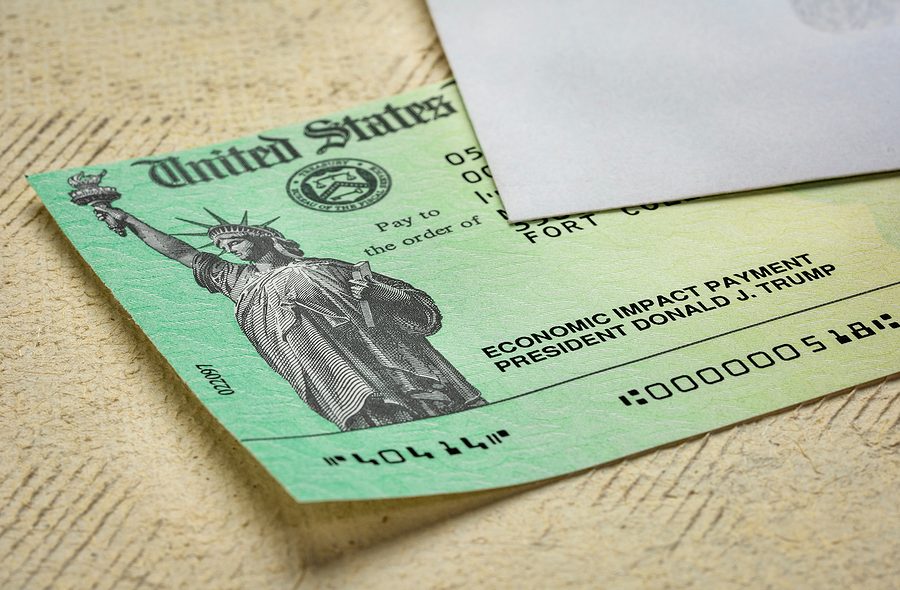
Thus far, more than $3.7 trillion in federal stimulus money has been issued in an effort to help offset the damage caused by the COVID-19 pandemic. Even with this money and the possibility of more coming in the future, many businesses have not been able to survive.  

The true effects of the pandemic may not be seen for several years. After the Great Recession of 2007, the bankruptcies that resulted were not filed until 2010, a few years after the start of the recession 

The widespread shutdowns brought on by COVID-19 have hit the restaurant industry hard, and financial experts worry that they may be the hardest hit from the financial crisis. The route these businesses will take can vary depending on what the businesses owners have decided to do. Many of them have already made the decision to close down completely in lieu of pursuing a business bankruptcy. Others have chosen to file for Chapter 7 bankruptcy, meaning that their assets will be liquidated and used to pay down the debts, leaving the restaurants permanently closed. 

With so many people working from home, the need for office space has also dropped off dramatically, leading to a drop in real estate values for both retail and office spaces, hitting the real estate sector, as well. 

Some of the larger chain retailers who have filed for Chapter 11 bankruptcy over the summer of 2021 include J. Crew, Neiman Marcus, J.C. Penney, Brooks Brothers, and Lord and Taylor. According to S&P Global, there was an average of two corporate bankruptcy filings per day in the months of June and July.       

Not only have retailers been hit hard but their suppliers have, as well. An example of this is Country Fresh, a supplier of fresh fruit snacks, sides, soups, and salads to convenience stores, filed for Chapter 11 bankruptcy mid-February 2021. This filing represents just one of the many suppliers who have been hit hard and are still struggling from the pandemic. It remains to be seen whether more filings will follow as 2021 progresses.   

Please click here to read more.  

If you have questions on this topic or are in financial crisis and considering filing for bankruptcy, contact an experienced Miami bankruptcy attorney who can advise you of all of your options. As an experienced CPA as well as a proven bankruptcy lawyer, Timothy Kingcade knows how to help clients take full advantage of the bankruptcy laws to protect their assets and get successful results. Since 1996 Kingcade Garcia McMaken has been helping people from all walks of life build a better tomorrow. Our attorneys’ help thousands of people every year take advantage of their rights under bankruptcy protection to restart, rebuild and recover. The day you hire our firm, we will contact your creditors to stop the harassment. You can also find useful consumer information on the Kingcade Garcia McMaken website at www.miamibankruptcy.com.   


COVID-19, Debt Relief, Foreclosures

Biden Extends Ban on Evictions and Foreclosures through March

Shortly after being sworn in as the nation’s 46th president, Joe Biden signed several executive orders. One of these signed orders included extending the ban on evictions and foreclosures for individuals affected by the COVID-19 crisis.

This new order extends the Centers for Disease Control and Prevention’s (CDC) moratorium that was set to expire on January 31, 2021. The CDC’s order first went into effect in September 2020. This new executive order extends the ban for at least an additional two months past the expiration date.

Coronavirus, COVID-19, Debt Relief

Floridians Hope to Receive Relief from Second Round of Stimulus Payments

As coronavirus (COVID-19) continues to affect the economy, many have been wondering when another relief package would be passed by Congress. After the CARES Act was passed in March 2020, providing the first source of stimulus payments, consumers have been anticipating a second source of stimulus payments to help during their continuing financial struggles. Fortunately, at the end of December 2020, a second stimulus relief package was passed by Congress and signed by the President, providing them with a sense of reprieve.

As compared the $2 trillion CARES Act passed last March, this second package totals $900 billion. Additionally, while the previous package provided $1,200 per taxpayer, this new bill provides $600 per individual making less than $75,000 annually. The new legislation provides $600 per child, while the previous legislation provided $100 less per child.  

COVID-19, Credit Card Debt

Credit Card Debt Falls 9 Percent Despite Decline in Economic Conditions

The coronavirus (COVID-19) pandemic has hit the country’s economy hard, but this fact does not seem to be reflected in the nation’s credit card debt According to statistics from credit reporting agency, Experian, credit card balances have declined at a record rate in 2020.  

Economic crises tend to lead to a change in consumer behavior. World War II pushed consumers to change their spending habits in ways they had not done before. The COVID-19 pandemic with forced lockdowns and widespread unemployment has likewise put things into perspective for American consumers, pushing them to change their spending habits, as well, including how they use their credit cards.  

Coronavirus, COVID-19, Credit Card Debt

More Americans Paying Rent on Credit Cards with No Second Stimulus Relief Bill in Sight

The coronavirus (COVID-19) pandemic has hit the country hard.  Many people have been left with no choice but to use their credit cards to pay for basic living expenses, including their rent. Financial analysts fear that this trend could be a warning sign that, without a second stimulus relief package from Congress, the nation’s economy is heading towards another crisis.  

According to statistics from the Federal Reserve Bank of Philadelphia, an increase of approximately 70 percent has been reported on the number of consumers using their credit cards to pay their rent. What this indicates is that the person using their credit to pay for the most basic of living expenses is significantly struggling, does not have any savings to pay for unexpected expenses, and is at risk of losing his or her home.  

Coronavirus, COVID-19, Credit Card Debt

How the Pandemic is Changing Americans’ Credit Card Habits

The coronavirus (COVID-19) pandemic has changed the way of life for consumers in both good and bad ways. One change has to do with the way Americans utilize their credit cards post-pandemic. 

A recent study conducted by Money and Morning Consult surveyed how American consumers have been using their credit cards during this crisis. What the study found was Americans are continuing to use their cards. However, the way by which they are using their cards has changed.  

Coronavirus, COVID-19, Foreclosure Defense, Foreclosures

Covid-19 Mortgage Bailouts Decline, New Foreclosure Crisis Looming

Homeowners are struggling to keep up with their mortgage payments as the coronavirus (COVID-19) crisis continues. The mortgage bailouts offered by the federal government and private sector during the crisis have helped temporarily, but as the number of bailouts begin to decline, many homeowners are finding themselves facing the possibility of impending foreclosure.

According to figures from Black Knight, a mortgage technology and data firm, approximately 3.7 million borrowers are still receiving assistance through federal government and private sector mortgage forbearance programs.  This figure represents nearly seven percent of all active mortgages. Forbearance plans allow borrowers to temporarily delay monthly payments for anywhere between three months to a year.

COVID-19, Foreclosures, Kingcade Garcia McMaken

Evictions Pile Up as DeSantis’ Moratorium Set to Expire in Florida

Both landlords and tenants are waiting with bated breath to see what will happen when it comes to the current moratorium on evictions in Florida. With the hold on evictions set to expire at the end of this month, no official statement has come from the Florida Governor’s office regarding whether Gov. Ron DeSantis intends to extend the moratorium through the end of September. In the meantime, the number of eviction cases are piling up, waiting to proceed once the freeze on evictions is lifted.

The moratorium on evictions related to the coronavirus (COVID-19) pandemic originally took effect on April 2, during the height of the epidemic. As the hold on evictions now enters its fifth month, landlords are demanding the stay be lifted, allowing them to proceed with business, while tenants are requesting the hold on evictions be extended, giving them additional breathing room to get back on their feet during this difficult time. However, many landlords argue that the individuals taking use of this moratorium do not actually need the assistance but are simply taking advantage of the statewide ban.

Coronavirus, COVID-19, Foreclosure Defense, Foreclosures

Governor DeSantis Issues Amended Executive Order on Foreclosures and Evictions

The statewide moratorium on evictions and foreclosures during the coronavirus (COVID-19) crisis has been extended via an executive order issued by Gov. Ron DeSantis. However, critics are questioning the language within the order itself as to just what it means for Florida residents facing evictions or foreclosures.

The executive order was signed and announced on July 29. However, the amended language in this new executive order does not prevent all evictions and foreclosures like the previous one did.

student loan debt, Student Loans

What Borrowers Need to Know About the New Executive Order- “Continued Student Loan Payment Relief During the COVID-19 Pandemic”

A new executive order signed by President Trump is expected to give additional relief to student loan borrowers during the coronavirus (COVID-19) pandemic. It is important that all student loan borrowers be aware of what these changes entail and how they can affect their outstanding student loan balances.

At the start of the COVID-19 pandemic, Congress passed the CARES Act, a $2.2 trillion stimulus bill, that included relief effort for numerous aspects of the economy. The CARES Act paused all federal student loan payments and stopped interest from being incurred on federal student loans. Additionally, the stimulus bill put a stop to all federal student loan collection efforts. However, this bill was passed at the beginning of the pandemic with the thought that relief would no longer be needed through the end of 2020 with the hopes that the COVID-19 crisis would eventually be subsiding. Given the fact that numbers of positive cases are growing, and states are struggling to manage the crisis, it has quickly become clear that additional relief was needed. The original relief offered through the CARES Act was set to expire on September 30, 2020.