Consumer Bankruptcy, Debt Relief

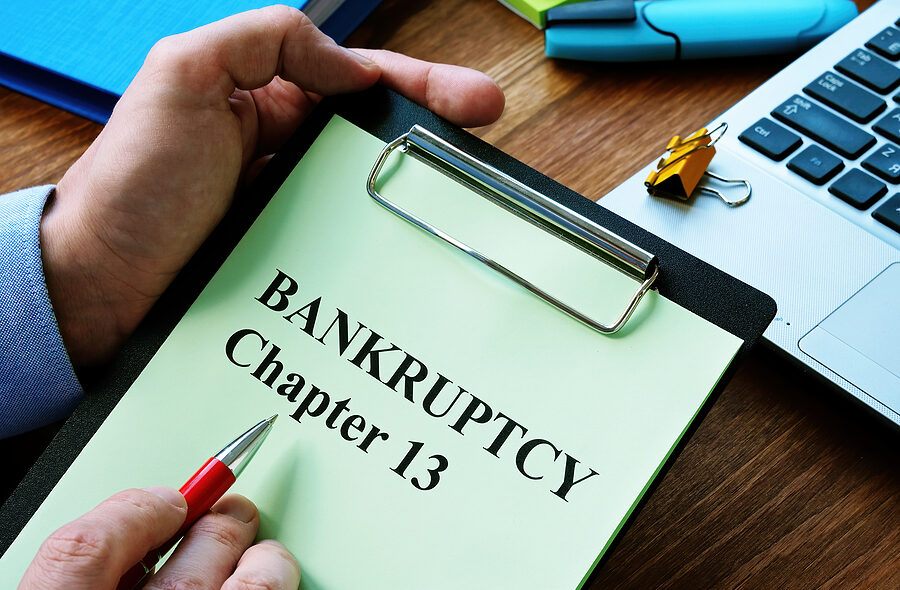
Debt Relief vs. Bankruptcy in 2025

Debt relief and bankruptcy can offer real financial help in a challenging economic environment- but there are a few things you should know about each option.

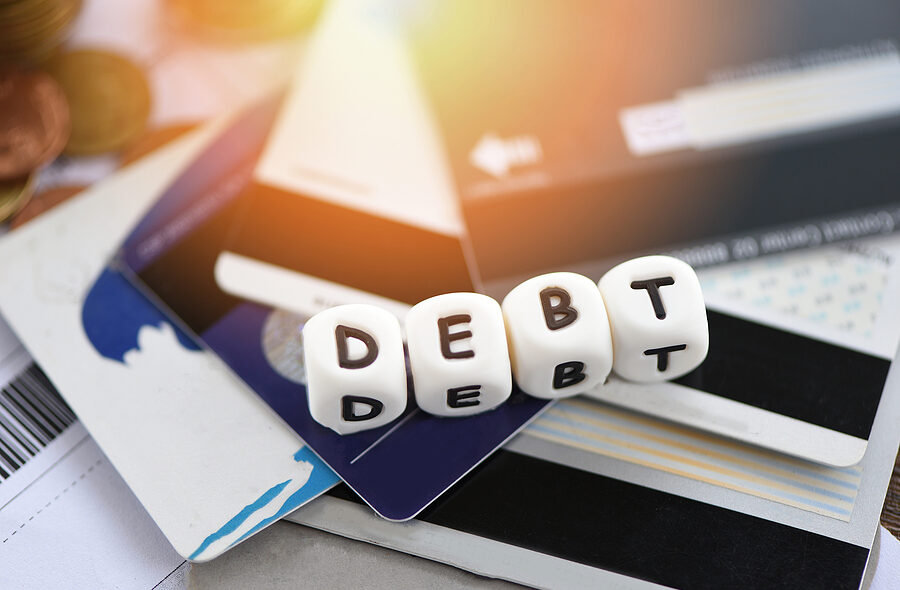
American households are struggling with debt like never before, as total credit card balances have soared past $1.21 trillion nationally. With credit card interest rates approaching record highs and the cost of living rising, many people have found themselves trapped in a cycle of making minimum payments.

Amid the financial pressure, people are exploring different options to regain control over their debt.

Debt relief programs, such as credit card settlement plans, are increasingly accessible, while bankruptcy remains an option for those facing overwhelming debt.

Each option has unique benefits, costs, and long-term implications.

Debt relief programs only address unsecured debt, like credit cards, personal loans, and medical bills. These type programs cannot help with secured debts, like a mortgage or car loan.

filing for bankruptcy

Bankruptcy, on the other hand, can wipe out certain unsecured debts entirely, and in some cases, provide options for addressing secured debt. Understanding exactly what you owe, and to whom is the first step in deciding which approach to choose.

Debt relief programs work best if you have a steady income that allows you to make monthly payments. If your earnings are inconsistent or barely cover your living expenses, these programs can prove challenging to sustain.

For those whose income will not support repayment, bankruptcy provides a better option. However, post-bankruptcy budgeting is essential to avoid falling back into debt.

Choosing between bankruptcy and debt relief is a personal decision influenced by your total debt, income, credit outlook, and long-term goals.

Debt relief can offer structured repayment and lower interest costs without the long-lasting credit hit of bankruptcy, but it requires discipline and consistent payments. Bankruptcy, however, can immediately wipe out your debt and provide you with a fresh financial start when debt becomes unmanageable.

As you weigh your options, it is important to review each one carefully, ideally with a financial counselor, certified debt specialist, or experienced bankruptcy attorney before deciding.

Click here to read more on this story.
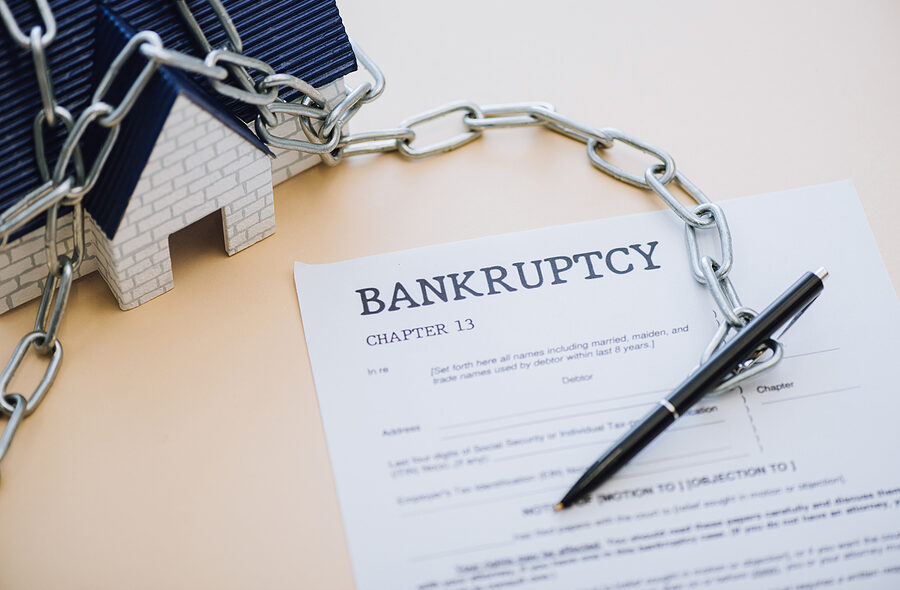
If you have questions on this topic or are in a financial crisis and considering filing for bankruptcy, contact an experienced Miami bankruptcy attorney who can assist you and address all of your options. As an experienced CPA as well as a proven bankruptcy lawyer, Timothy Kingcade knows how to help clients take full advantage of the bankruptcy laws to protect their assets and get successful results. Since 1996 Kingcade Garcia McMaken has been helping people from all walks of life build a better tomorrow. Our attorneys help thousands of people every year take advantage of their rights under bankruptcy protection to restart, rebuild, and recover. The day you hire our firm; we will contact your creditors to stop the harassment. You can also find useful consumer information on the Kingcade Garcia McMaken website at www.miamibankruptcy.com.

Bankruptcy Law, Chapter 13 Bankruptcy

Does Chapter 13 Bankruptcy Take All Your Income?

Bankruptcy filings have been rising, and personal bankruptcy inquiries have been increasing for those struggling with persistent inflation. Among the options available, Chapter 13 bankruptcy, often referred to as a “wage earner’s plan” or “reorganization bankruptcy,” has become an increasingly common choice for people who need time to catch up on their debts.

Chapter 13 bankruptcy allows the debtor to keep their property and pay their debts over time, through a court-appointed repayment plan that typically lasts three to five years.

But does filing for Chapter 13 mean you have to give up all your income?  Here’s How It Works:

When you file for Chapter 13 bankruptcy, you will submit a detailed budget showing your monthly income and expenses. The bankruptcy court uses this information to determine how much you can realistically afford to pay your creditors each month. Allowed expenses include housing, utilities, food, transportation, insurance, medical care, and other necessary costs. The court follows standardized guidelines for many of these expenses, but there’s flexibility based on a filer’s specific circumstances.

The remaining amount becomes your monthly Chapter 13 payment. This means you keep enough of your income to maintain a basic standard of living while repaying what you can afford with your creditors.

It is also worth noting that not everyone pays back the same percentage of their debt. Some people repay their unsecured creditors in full, while others might pay back only a fraction, sometimes as little as 10% or even less, depending on their disposable income and the value of their assets. The point here is that your payment is based on what you can afford, not on taking everything you earn.

Click here to read more.

If you have questions on this topic or are in a financial crisis and considering filing for bankruptcy, contact an experienced Miami bankruptcy attorney who can assist you and address all of your options. As an experienced CPA as well as a proven bankruptcy lawyer, Timothy Kingcade knows how to help clients take full advantage of the bankruptcy laws to protect their assets and get successful results. Since 1996 Kingcade Garcia McMaken has been helping people from all walks of life build a better tomorrow. Our attorneys’ help thousands of people every year take advantage of their rights under bankruptcy protection to restart, rebuild and recover. The day you hire our firm; we will contact your creditors to stop the harassment. You can also find useful consumer information on the Kingcade Garcia McMaken website at www.miamibankruptcy.com.

Related Resources:

Chapter 13 – Bankruptcy Basics

Bankruptcy Filings, Bankruptcy Trends, Chapter 7 Bankruptcy, Consumer Bankruptcy

Personal Bankruptcy Filings are Soaring – But How Do You Know When You Need a ‘Financial Reset’?

Chapter 7 consumer bankruptcy filings have increased 15% in the first nine months of 2025, according to American Bankruptcy Institute. That amounts to 249,152 filings so far this year as compared to the 216,773 filed last year for the same period, according to data from Epiq AACER. Individual Chapter 13 filings also increased by 4.3%.

The rise in bankruptcy filings can be attributed to the growing financial pressure families are facing across the country. Inflation has outpaced wage growth for 43 percent of Americans.

Chapter 7 bankruptcy is a powerful legal tool that allows those in financial crisis to cancel debts such as credit card debt, medical debts, and personal loans.

As soon as a Chapter 7 bankruptcy case is filed, the consumer receives immediate protection from his or her creditors. This protection comes from the automatic stay that is issued by the court upon filing. The automatic stay puts a pause on all collection actions, including collection phone calls, legal proceedings to collect on a debt, wage garnishments, evictions, and foreclosures. The automatic stay also gives consumers a chance to breathe and work with the court and bankruptcy trustee.

It can be difficult to determine whether it is the right time to file for Chapter 7 bankruptcy. Typically, those that file should meet the following criteria:

  • Have a low credit score.
  • Have no foreseeable way to pay off debt within the next few years.
  • Do not possess expensive property.
  • Have more than $10,000 in debt
  • Struggle to make payments.
  • Are in fear of legal action being taken against them due to debt.

An alternative to Chapter 7 bankruptcy is Chapter 13 bankruptcy. Most commonly, those that opt to file for Chapter 13 fail to qualify for Chapter 7 due to their income. They may also own a property that is not protected by Chapter 7 bankruptcy exemptions. An experienced bankruptcy attorney can provide crucial assistance in evaluating your finances to determine which plan is best suited for your situation.

If you have questions or are in a financial crisis and considering filing for bankruptcy, contact an experienced Miami bankruptcy attorney who can assist you and address all of your options. As an experienced CPA as well as a proven bankruptcy lawyer, Timothy Kingcade knows how to help clients take full advantage of the bankruptcy laws to protect their assets and get successful results. Since 1996 Kingcade Garcia McMaken has been helping people from all walks of life build a better tomorrow. Our attorneys’ help thousands of people every year take advantage of their rights under bankruptcy protection to restart, rebuild and recover. The day you hire our firm, we will contact your creditors to stop the harassment. You can also find useful consumer information on the Kingcade Garcia McMaken website at www.miamibankruptcy.com.

SOURCE: Personal Bankruptcy Filings Are Soaring This Year Due to ‘Mounting Financial Pressure’ — but Do You Know What It Means To File and the Alternatives?

Auto Loan Debt

Subprime Borrowers Face Record Number of Car Loan Defaults

A significant group of Americans are falling behind on their car loan payments.

The percentage of subprime borrowers – those with credit scores below 670 – who are at least 60 days late on their car loans has doubled since 2021 to 6.43%, according to Fitch Ratings.

Cars are being repossessed at the highest rate since the Great Recession of 2008 and 2009.

Experts believe this is an economic warning sign of things to come.

Car loans are often the last payment Americans are willing to miss. Cars are simply too important to their livelihood. Cars are essential for most people to get to work, drive their families, and access food.

Many subprime borrowers have no choice but to default. They are unable to sell their car because they owe more than it’s worth. They oftentimes have already missed payments on other financial obligations, such as mortgage or rent, as well as payments due on credit cards and student loans.

The repo business has been busy. Subprime lenders have built GPS features into cars to make it easier for teams repossessing the vehicles to find them. Lenders can even disable the ignition of the cars to prevent owners from driving them once they’ve defaulted on the loan.

Filing for bankruptcy can stop repossession of your car and offer options to keep it or surrender it. An automatic stay goes into effect the moment you file, which legally prevents creditors from repossessing your car, property, and other assets. The best course of action depends on your financial circumstance and whether you can realistically afford to keep the vehicle.

Click here to read more.

If you have questions on this topic or are in financial crisis and considering filing for bankruptcy, contact an experienced Miami bankruptcy attorney who can advise you of all of your options. As an experienced CPA as well as a proven bankruptcy lawyer, Timothy Kingcade knows how to help clients take full advantage of the bankruptcy laws to protect their assets and get successful results. Since 1996 Kingcade Garcia McMaken has been helping people from all walks of life build a better tomorrow. Our attorneys help thousands of people every year take advantage of their rights under bankruptcy protection to restart, rebuild and recover. The day you hire our firm; we will contact your creditors to stop the harassment. You can also find useful consumer information on the Kingcade Garcia McMaken website at www.miamibankruptcy.com.

Credit Score

Credit Scores Drop at Rates Not Seen Since the Great Recession

As Americans struggle to keep up with the cost of living and the return of student debt payments, their credit scores are taking a hit. The national average FICO score dropped by two points this year, the highest since 2009, according to recent data.  These numbers are down for the second year in a row.  FICO also found that delinquency rates on auto loans, credit cards and personal loans are at or near their highest levels since 2009.

Younger Americans are facing even more financial pressure with high student loan debt and low entry-level hiring. Gen Z borrowers experienced an average credit score drop of three points — the biggest decline of any age group since 2020 during the pandemic, according to FICO.

FICO found that 14% of Gen Zers have had a large credit score decline of 50 points or more in the past year — more than any other year and double the decline of 2021.

The US Department of Education’s COVID-19 relief for student loans has ended. The 0% interest rate ended Sept. 1, 2023, and payments restarted in October 2023. The Department of Education restarted collecting federal student loans in default in May. Student loan delinquencies were not reported on credit files until February.

Between February and April, 6.1 million consumers had a student loan delinquency added to their credit file, according to FICO. That means the student loan delinquency rate has climbed to a record high of 29% among the 21 million borrowers with a student debt payment due.

The impact of these late student debt payments and the fact that Gen Z doesn’t have a long track record of making credit payments, which builds their credit scores. This makes their credit scores vulnerable to more volatility, both up and down.

FICO found that 64% of Gen Z and 61% of Millennials with student loans rely on credit cards, buy-now-pay-later loans or personal loans to bridge financial gaps.

Click here to read more on this story.
If you have any questions on this topic or are in financial crisis and considering filing for bankruptcy, contact an experienced bankruptcy attorney who can advise you of all your options. As an experienced CPA as well as a proven bankruptcy lawyer, Timothy Kingcade knows how to help clients take full advantage of the bankruptcy laws to protect their assets and get successful results. Since 1996 Kingcade & Garcia, P.A. has been helping people from all walks of life build a better tomorrow. Our attorneys’ help thousands of people every year take advantage of their rights under bankruptcy protection to restart, rebuild and recover.

Bankruptcy Law, Consumer Bankruptcy

Personal Loans After Bankruptcy. Can You Get One?

YES, it is possible to get a personal loan after bankruptcy.

The good news is that after bankruptcy, you can immediately take steps that can have a positive impact on your credit history. While each lender will have certain eligibility requirements, for example, a minimum credit score and minimum income.  A descent income and a low debt-to-income ratio can be compensating factors. Especially, if you have taken steps to rebuild your credit.

Here are some important tips for rebuilding your credit after bankruptcy.

  1. Pull a copy of your credit reports for free by visiting https://www.annualcreditreport.com/.
  2. Make sure your credit reports are accurate. The accounts that were discharged in bankruptcy should be closed. If any discrepancies are found, these errors should be reported right away to the credit bureaus via a formal dispute.
  3. Prioritize making future payments on time. It sounds simple, but on-time payments and responsible credit card use can significantly help you recover from bankruptcy.
  4. Creating a budget is important after completing a bankruptcy case. Write down all necessary living expenses and track how much of the consumer’s income can be used to go towards paying these costs. A good rule of thumb when budgeting is to follow the 50/30/20 rule. What this entails is 50 percent of the consumer’s income goes towards meeting his or her needs. Another 30 percent would be set aside for items that are considered not necessary or are wanted, while 20 percent of the monthly income goes towards savings.

Getting a personal loan after bankruptcy.

If you are interested in applying for a personal loan after bankruptcy, here are some important steps to take.

  1. Review your credit report. If you find mistakes, contact the credit bureau before applying for the loan.
  2. Know your loan amount. A personal loan can be helpful, but it still needs to be repaid. That means borrowing within your means and only for what you need.
  3. Research lenders. Look at minimum and maximum loan amounts, eligibility requirements, APRs, repayment terms, fees, and customer reviews.
  4. Get prequalified: Once you have your list of potential lenders, see if you can get prequalified online.
  5. Have all your documents ready. Make sure you have pay stubs, tax statements, and bank statements ready to support your application. After that, it’s in the lender’s hands. You may get a response immediately, or within a couple of days, or up to a week, depending on the type of lender.


Click here to read more.

If you are in financial crisis and considering filing for bankruptcy, contact an experienced Miami bankruptcy attorney who can advise you of all your options. As an experienced CPA as well as a proven bankruptcy lawyer, Timothy Kingcade knows how to help clients take full advantage of the bankruptcy laws to protect their assets and get successful results. Since 1996 Kingcade & Garcia, P.A. has been helping people from all walks of life build a better tomorrow. Our attorneys’ help thousands of people every year take advantage of their rights under bankruptcy protection to restart, rebuild and recover. The day you hire our firm, we will contact your creditors to stop the harassment. You can also find useful consumer information on the Kingcade & Garcia website at www.miamibankruptcy.com.

Foreclosure Defense, Foreclosures

These 2 Southern States Lead the Nation with the Highest Number of Foreclosures

Foreclosure rates have been on the rise, signaling homeowners are struggling with the cost of homeownership.  There was a total of 36,033 U.S. properties with foreclosure filings, up 0.4% from the prior month and 13.9% from a year ago, according to the U.S. Foreclosure Market Report from ATTOM.

The report revealed that Florida, South Carolina, and Illinois had the worst foreclosure rates in the nation.

High foreclosure rates can be attributed to a range of factors, including economic pressure, local housing market dynamics, and state-specific foreclosure procedures. Of the three states, only Florida, with a median home list price of $440,000, is above the national median at $431,250.

The report revealed that two-thirds of the 50 counties around the U.S. considered most exposed to potential fallbacks were in Florida, California, Illinois, and the New York region.

South Carolina saw 1 in every 2,311 housing units with a foreclosure filing; Illinois had 1 in every 2,405 housing units; and Florida had 1 in every 2,526 housing units.

Among those major metropolitan statistical areas with a population of at least 200,000, those with the greatest number of foreclosure starts in April 2025 included Houston (1,202), Chicago (1,139), New York City (1,099), Miami (739), and Atlanta (665).

Click here to read more.

Choosing the right attorney can make the difference between keeping your home or losing it in foreclosure. A well-qualified Miami foreclosure defense attorney will not only help you keep your home, but they will be able to negotiate a loan that has payments you can afford. Miami foreclosure defense attorney Timothy Kingcade has helped many facing foreclosure alleviate their stress by letting them stay in their homes for at least another year, allowing them to re-organize their lives. If you have any questions on the topic of foreclosure, please feel free to contact me at (305) 285-9100. You can also find useful consumer information on the Kingcade Garcia McMaken website at www.miamibankruptcy.com.

Medical Debt

Consumer Financial Protection Bureau’s Medical Debt Rule Delayed

A U.S. District Court judge in the Eastern District of Texas has twice ordered a stay of the medical debt rule, which was supposed to take effect on March 15. The rule would have wiped out $50 million of medical debt from credit reports. At the time, benefitting 15 million Americans. An independent agency had calculated that the new credit reporting rules would result in an additional 22,000 mortgages every year and boost Americans’ credit scores by an average of 20 points.

U.S. District Judge Sean Jordan, who was appointed by President Trump during his first term, argued in his decision that the Fair Credit Reporting Act does not allow the Consumer Financial Protection Bureau (CFPB) to remove medical debt from reports. New leadership appointed by President Trump now runs the CFPB. And the agency did not just reverse its position on the consumer protection rule; it joined forces with the plaintiffs who filed the suit trying to block it.

The outcome of the lawsuit, filed on the same day the rule was issued, has important financial implications for millions of Americans whose medical debt has negatively impacted their credit scores.

Click here to read more on this story.
Those who have experienced illness or injury and found themselves overwhelmed with medical debt should contact an experienced Miami bankruptcy attorney. In bankruptcy, medical bills are considered general unsecured debts just like credit cards. This means that medical bills do not receive priority treatment and can easily be discharged in bankruptcy. Bankruptcy laws were created to help people resolve overwhelming debt and gain a fresh financial start. Bankruptcy attorney Timothy Kingcade knows how to help clients take full advantage of bankruptcy laws to protect their assets and get successful results. Since 1996 Kingcade Garcia McMaken, P.A., has been helping people from all walks of life build a better tomorrow. Our attorneys help thousands of people every year take advantage of their rights under bankruptcy protection to restart, rebuild, and recover. The day you hire our firm; we will contact your creditors to stop the harassment. You can also find useful consumer information on the Kingcade Garcia McMaken, P.A. website at www.miamibankruptcy.com.

Foreclosure Defense, Foreclosures

This Florida Metro Has Been Named the Foreclosure Capital of the US

According to real estate data from ATTOM, Florida’s Lakeland region has the nation’s highest number of foreclosures. One out of every 172 housing units had foreclosure filings, according to the real estate data firm.

There is a combination of factors that attribute to this rating. One being a population influx. Another factor is the price of home insurance, and rising insurance premiums. Floridian’s pay an average annual premium of $5,292 for a home worth $3000,000, according to Bankrate. That’s nearly two-and-a-half times the national average of $2,267.  Other factors, include increased property taxes, regulatory changes that impact older condominiums, elevated mortgage rates, inflation, and job losses.

Foreclosures can oftentimes be a precursor to bankruptcy, and both have risen drastically over the last 12 months.   The key is to respond quickly to avoid losing your home through foreclosure. It may seem counter-intuitive, but when someone is facing foreclosure and is in the middle of a major financial crisis, bankruptcy can be a viable option to help save that person’s home. Ultimately, it depends on your specific financial situation and the type of bankruptcy you file – but bankruptcy can be used as a tool to help keep your home.

Click here to read more.

Choosing the right attorney can make the difference between keeping your home or losing it in foreclosure. A well-qualified Miami foreclosure defense attorney will not only help you keep your home, but they will be able to negotiate a loan that has payments you can afford. Miami foreclosure defense attorney Timothy Kingcade has helped many facing foreclosure alleviate their stress by letting them stay in their homes for at least another year, allowing them to re-organize their lives. If you have any questions on the topic of foreclosure, please feel free to contact me at (305) 285-9100. You can also find useful consumer information on the Kingcade Garcia McMaken website at www.miamibankruptcy.com.

Bankruptcy Law, Consumer Debt, Debt Relief

When Is an Emergency Bankruptcy Filing Necessary?

An emergency bankruptcy filing is a streamlined process used in situations where the filer urgently needs to stop a creditor from collecting on a debt. It is often referred to as a skeleton bankruptcy filing because it’s so simplified.

The filer receives the same benefits and protections they would in a standard bankruptcy case. Like the automatic stay, which puts an immediate halt to all collection activity. The emergency filing gives the same protection after completing certain online forms and submitting the remaining required documents later.

The shortened process allows you to start a bankruptcy case by submitting an incomplete, otherwise “bare bones” filing. The best part about an emergency bankruptcy filing is that it can be completed online and in a matter of minutes.

A specific emergency isn’t required for a skeleton filing. Anyone who needs to file quickly to prevent an unwanted event from happening can use the process. For instance, bankruptcy can stop:

After filing the petition, the bankruptcy automatic stay goes into place and stops these types of issues immediately.

When is an emergency bankruptcy filing appropriate? It is appropriate when a debtor is facing an imminent foreclosure on his or her home or a repossession of his or her vehicle. Since the amount of paperwork needed to formally open a bankruptcy case is significant and cannot be done overnight, it may not be done quickly enough to stop the foreclosure or repossession from happening. However, with an emergency bankruptcy petition, it is possible to be done quickly enough to get the automatic stay and protect the filer’s assets. The key is the filer must file the additional documents within 14 days or his or her bankruptcy petition will be dismissed. The filer must also comply with other rules, which will be provided on the court’s website.

Certain documents are required for an emergency bankruptcy filing. The bankruptcy petition is the essential part of the bankruptcy case, which will determine which chapter of the bankruptcy code forms the basis of the filing. The creditors’ contact information is also required with the emergency bankruptcy filing, along with a credit counseling certificate of completion or a waiver request, along with a Form B121. The filing will also be accompanied by a filing fee, although the filer can submit a request for a fee waiver. It is also possible to submit the fee in installments if this makes the situation more financially feasible.

Occasionally, the filer may also need to complete additional paperwork, as required by the court. It is important that the filer complies with these requirements, or the court will dismiss the bankruptcy petition within a certain required period, usually within 14 days.  

If you have questions on this topic or are in financial crisis and considering filing for bankruptcy, contact an experienced Miami bankruptcy attorney who can advise you of all of your options. As an experienced CPA as well as a proven bankruptcy lawyer, Timothy Kingcade knows how to help clients take full advantage of the bankruptcy laws to protect their assets and get successful results. Since 1996 Kingcade Garcia McMaken has been helping people from all walks of life build a better tomorrow. Our attorneys help thousands of people every year take advantage of their rights under bankruptcy protection to restart, rebuild and recover. The day you hire our firm, we will contact your creditors to stop the harassment. You can also find useful consumer information on the Kingcade Garcia McMaken website at www.miamibankruptcy.com.

Source: JUSTIA.com