Debt Relief

Growing Number of Personal Loans Could Mean Danger for U.S. Economy

The rise in personal loan debt has financial experts worried. According to a recent study from Equifax, personal loans are up 10 percent from the previous year. In fact, all three major credit agencies report a double-digit increase in the use of personal loans over the past few months.

More often than before personal loans are being utilized by consumers looking to pay for unexpected or needed expenses. In fact, personal loan debt was reported as being the fastest growing category of consumer debt.

Bankruptcy Law, Credit Score

Tips to Help Seniors Bounce Back from a Bankruptcy Filing

With the rising costs of health care and inflation, it is not uncommon for seniors to seek bankruptcy relief. Although bankruptcy can remain on a filer’s credit report for seven to 10 years, depending on the type of bankruptcy, there are certain steps seniors can take to boost their credit score during this period.

Prepare a Budget

One of the most important steps a senior can take after filing for bankruptcy is to prepare a budget. Many agencies, including the AARP Foundation, will work with the senior to prepare one. Most seniors live on fixed incomes, which leave very little room for unexpected expenses, such as large medical bills or expensive home repairs. However, if senior consumers can put together a plan that gives them leeway to pay for the unexpected, this budget will help them prevent falling into the same financial situation, again.

Debt Relief

‘Debt Crushing’ a Top Priority in 2020

Becoming debt-free is a popular resolution in the New Year. As people are coming off the holidays, they often have larger credit card bills coming due. Approximately 7 in 10 people have at least one credit card.  More than half of the cardholders already in debt were willing to put gifts and holiday expenditures on credit cards, according to Creditcards.com.

Snowball or avalanche method

What is the best way to pay down debt?

The snowball method involves looking at all your debts and picking the one with the smallest balance. Ignore the interest rate and type of debt. Choose the smallest amount and put all your resources into paying that off. While doing so, keep up with the minimum payments on all your other debts. The theory is that aggressively attacking the smallest amount will allow the individual to see immediate results, which then kicks motivation into high gear.

Bankruptcy Law, Debt Relief

Tips to Help Keep to Your New Year’s Debt Resolutions

Some of the most common New Year’s resolutions involve losing weight, improving one’s health, learning a new skill or hobby, and getting organized. Another common New Year’s resolution is paying down debt and improving one’s financial health, whether that means creating and sticking to a budget or getting out of debt completely.

Here are some tips to help you keep your New Year’s debt resolutions:

Debt Relief, student loan debt, Student Loans

Changes Coming in 2020 for Student Loan Borrowers

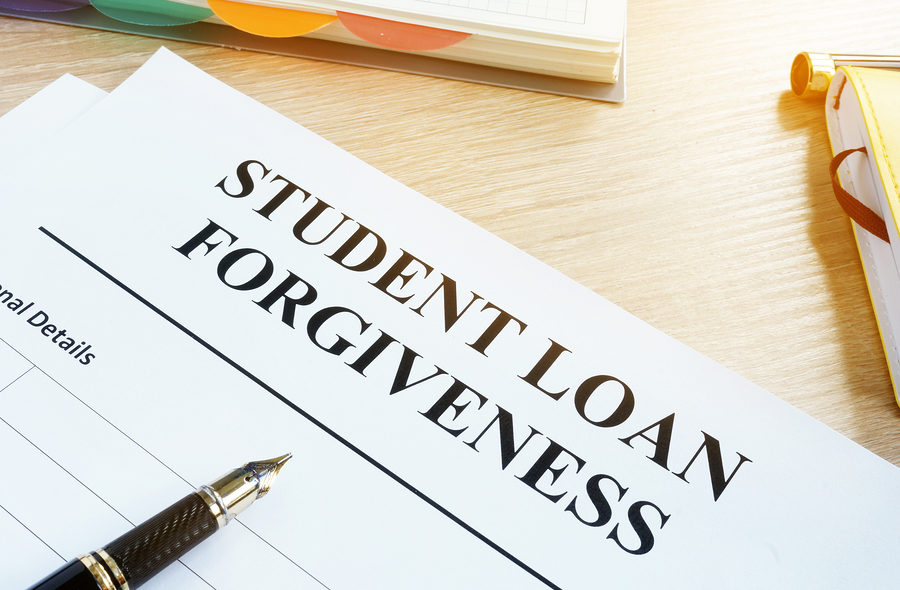
Student loan debt has reached an all-time high in this country with an estimated $1.6 trillion owed nationwide. Student loan debt is a major issue being discussed in the 2020 presidential race, and it is also an issue being addressed in the current legislative session. The U.S. Department of Education is also considering changes for student lending. No matter how you look at it, major changes are coming in 2020 for student loan borrowers.

These changes come at the height of the student loan debt crisis. According to a recent study from Politico/Morning Consult, more than half of American consumers consider student loan debt to be a major problem facing the country. In fact, student loan debt has now surpassed both credit card and auto debt. With the average college graduate walking away with $30,000 in student loans, which is up from $10,000 in the 1990s.

Bankruptcy Law

Retailers and U.S. Businesses that Filed for Bankruptcy in 2019

This past year was not a profitable one for a number of U.S. businesses and retailers, resulting in many of them filing for bankruptcy in 2019. These businesses ranged from brick-and-mortar companies to online stores, and by the end of the year, more than 7,000 stores closed nationwide. Some of the well-known ones include:

Barneys New York

The luxury department store filed for bankruptcy in August 2019, which came as a surprise to many since the business has been running for a century and has survived many financial ups and downs. However, after filing for bankruptcy this summer, the company was purchased by Authentic Brands Group, a company that also owns Nine West. Authentic Brands will be licensing the Barneys New York product to Sakes Fifth Avenue, and B. Riley Financial has also purchased remaining company assets in November 2019. B. Riley intends to take Barneys’ luxury products and sell them at much lower price points through private sales.

Credit Card Debt, Medical Debt

How to Keep Medical Debt Off Your Credit Cards

With the cost of medical care increasing every year, many Americans are struggling to pay their medical bills. According to a recent study from NerdWallet, medical costs have increased 33 percent since 2009, while the national median household income has only increased 30 percent. To keep up with these costs, many consumers are forced to pay for their medical bills with credit cards. The problem is credit card interest rates can range anywhere from 10%-30% and come with additional fees and costs if timely payment is not made. Medical bills are expensive and paying them with your credit card will only add unnecessary interest fees to your bills.

Here are some tips that can help you avoid having to put medical bills on a credit card.

Bankruptcy Law

Important Factors to Keep in Mind When Filing for Bankruptcy

When filing for bankruptcy, certain factors should be kept in mind, including the type of bankruptcy being filed, property exemptions available to the filer, and the various laws and legal regulations that accompany filing for bankruptcy.

The type of bankruptcy being filed.

The most common types of consumer bankruptcy are Chapter 7 and Chapter 13 bankruptcies. A Chapter 7 bankruptcy allows filers to receive a total discharge of their qualifying debts and is an option used mostly by filers whose debts are particularly high compared to their level of income. To file for Chapter 7 bankruptcy, filers must qualify under the bankruptcy means test. Chapter 13 bankruptcy allows the consumer to enter a repayment plan to pay all or part of his or her debts over the course of three to five years.

Credit Card Debt, Credit Score

Reasons to Check Your Credit Score Twice this Holiday Season

When it comes to monitoring a credit score, it is important to pay all bills on time and not max out a credit card when relying on one for holiday spending. However, another factor, known as the credit utilization ratio, plays a major role in a consumer’s FICO score. In fact, this number accounts for 30 percent of the average consumer’s FICO score, and it is the second most important part of a person’s credit score next to paying bills on time.

To figure out what this score is, the consumer needs to add up credit limits across all his or her credit cards and then add up the outstanding balance on each card. Divide the total balance owed by the total limits and multiply that by 100 to determine the percentage or credit utilization ratio.

Bankruptcy Law

When is Filing for Bankruptcy a Good Idea for Seniors?

When most people think of their retirement, they picture living a life of rest and relaxation. However, with credit card debt increasing for individuals over the age of 65, many are carrying this debt into retirement. Medical debt can compound the problem. When seniors face health issues, putting the additional out of pocket costs not covered by their insurance can be tempting. In fact, medical debt is the leading cause behind U.S. bankruptcy filings today.

Most senior citizens rely on a fixed income following retirement, whether it be money coming in from social security or retirement savings. This income could very well be enough to keep that person living a comfortable life. However, it only takes one major medical crisis or unexpected expense to turn a comfortable financial situation upside down.  For seniors living on a fixed income, it can force them to put these unexpected expenses on credit cards.