Consumer Bankruptcy, Debt Relief

Debt Relief vs. Bankruptcy in 2025

Debt relief and bankruptcy can offer real financial help in a challenging economic environment- but there are a few things you should know about each option.

American households are struggling with debt like never before, as total credit card balances have soared past $1.21 trillion nationally. With credit card interest rates approaching record highs and the cost of living rising, many people have found themselves trapped in a cycle of making minimum payments.

Amid the financial pressure, people are exploring different options to regain control over their debt.

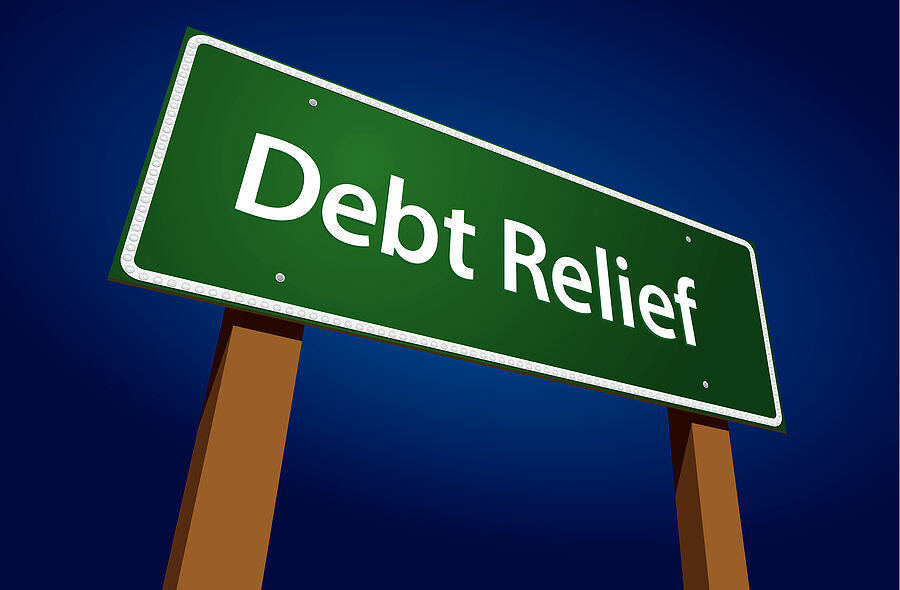
Debt relief programs, such as credit card settlement plans, are increasingly accessible, while bankruptcy remains an option for those facing overwhelming debt.

Each option has unique benefits, costs, and long-term implications.

Debt relief programs only address unsecured debt, like credit cards, personal loans, and medical bills. These type programs cannot help with secured debts, like a mortgage or car loan.
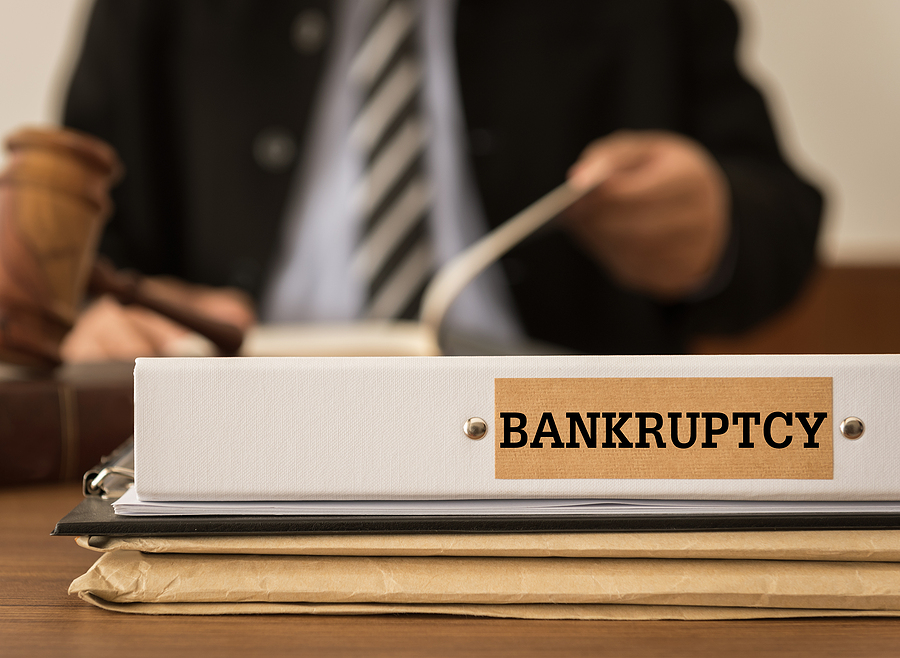
filing for bankruptcy

Bankruptcy, on the other hand, can wipe out certain unsecured debts entirely, and in some cases, provide options for addressing secured debt. Understanding exactly what you owe, and to whom is the first step in deciding which approach to choose.

Debt relief programs work best if you have a steady income that allows you to make monthly payments. If your earnings are inconsistent or barely cover your living expenses, these programs can prove challenging to sustain.

For those whose income will not support repayment, bankruptcy provides a better option. However, post-bankruptcy budgeting is essential to avoid falling back into debt.

Choosing between bankruptcy and debt relief is a personal decision influenced by your total debt, income, credit outlook, and long-term goals.

Debt relief can offer structured repayment and lower interest costs without the long-lasting credit hit of bankruptcy, but it requires discipline and consistent payments. Bankruptcy, however, can immediately wipe out your debt and provide you with a fresh financial start when debt becomes unmanageable.

As you weigh your options, it is important to review each one carefully, ideally with a financial counselor, certified debt specialist, or experienced bankruptcy attorney before deciding.

Click here to read more on this story.

If you have questions on this topic or are in a financial crisis and considering filing for bankruptcy, contact an experienced Miami bankruptcy attorney who can assist you and address all of your options. As an experienced CPA as well as a proven bankruptcy lawyer, Timothy Kingcade knows how to help clients take full advantage of the bankruptcy laws to protect their assets and get successful results. Since 1996 Kingcade Garcia McMaken has been helping people from all walks of life build a better tomorrow. Our attorneys help thousands of people every year take advantage of their rights under bankruptcy protection to restart, rebuild, and recover. The day you hire our firm; we will contact your creditors to stop the harassment. You can also find useful consumer information on the Kingcade Garcia McMaken website at www.miamibankruptcy.com.
Consumer Debt

Over 40 Percent of Consumers Plan to Take on More Debt Despite Rising Interest Rates

Approximately 43 percent of American consumers say they intend to accrue more debt in the next six months.  This is despite interest rates increasing, making the cost of borrowing more expensive. This information comes from a recent study published by LendingTree.

LendingTree surveyed more than 1,000 individuals regarding their spending habits. They found that 61 percent of them already carry some level of debt. Approximately 80 percent of consumer debt is linked to expenses that are considered necessary, such as healthcare expenses or other emergencies.

Foreclosures

Reverse Mortgages: Thousands of Florida Homeowners at Risk of Foreclosure

Thousands of Florida seniors are facing foreclosure, even homelessness due to being stuck in reverse mortgages now going into foreclosure. According to the U.S. Department of Housing and Urban Development (HUD), nearly 15,000 Florida seniors out of the 85,000 currently holding reverse mortgages are at risk of losing their homes.

A reverse mortgage is also often referred to as a home-equity conversion mortgage. Reverse mortgage lenders normally target individuals over the age of 62 who are living in homes with larger amounts of equity. The reverse mortgage allows the homeowner to borrow against the equity in his or her home. Instead of monthly mortgage payments, the balance only becomes due when the borrower dies, moves away from the home permanently or sells the home.

Credit, Debt Relief, Student Loans, Timothy Kingcade Posts

Good News for Home Buyers with Student Loan Debt

Mortgage lender Fannie Mae has just made significant rule changes that should make it easier for former students with costly student loan debts to purchase their first home or do a “cash-out” refinancing to pay off debt.

These new policies could be game changers for a large number of consumers. Approximately 43 million Americans are carrying student loan debt, totaling $1.4 trillion nationwide. Costly student loan debt not only impedes on borrowers’ ability to save money for a down payment, but it is also a key reason why so many young, potential home buyers remain renters or are living with their parents.

Below are three big changes that Fannie Mae has made that could affect you:

  • If you’re one of the 5 million borrowers who participate in federal-reduced payment plans on your student loan, your actual monthly payments, as reported to the credit bureaus, will count toward your debt-to-income (DTI) ratio calculations. For example, if your payments were originally supposed to be $500 a month but you have had them reduced to $100 through an income-based repayment plan, only the $100 will be added to your monthly debts for DTI purposes. Previously, lenders were required to factor in one percent of your student loan balance as your monthly payment on the student loan, even though you were actually paying a fraction of that.
  • For an estimated 8.5 million American homeowners who are still carrying student debt, Fannie Mae has lowered the costs of a “cash out” refinancing, provided the extra cash you pull out from your equity is used to retire your student debt. Among the potential beneficiaries: parents participating in “parent plus” programs that help pay off their kids’ student loan debts, and parents who have co-signed for their children’s student loans. Fannie is eliminating the usual extra fee it charges for cash-outs, as long as the funds that borrowers withdraw pay off student loan debts.
  • If you have nonmortgage debts that are being paid for by someone else such as your parents, these will no longer be included in your DTI computation, provided the payments have been made steadily for 12 months. This should improve the DTI ratios of young buyers who are still getting a little help from their parents.

Click here to read more on this story.

For borrowers who are struggling with student loan debt, relief options are available. Many student loan borrowers are unaware that they have rights and repayment options available to them, such as postponement of loan payments, reduction of payments or even a complete discharge of the debt. It is important you contact an experienced Miami bankruptcy attorney who can advise you of all your options. As an experienced CPA as well as a proven bankruptcy lawyer, Timothy Kingcade knows how to help clients take full advantage of the bankruptcy laws to protect their assets and get successful results. Since 1996 Kingcade & Garcia, P.A. has been helping people from all walks of life build a better tomorrow. Our attorneys help thousands of people every year take advantage of their rights under bankruptcy protection to restart, rebuild and recover. The day you hire our firm, we will contact your creditors to stop the harassment. You can also find useful consumer information on the Kingcade & Garcia website at www.miamibankruptcy.com.

Bankruptcy Law, Credit, Debt Relief, Foreclosures, Timothy Kingcade Posts

What the Fed Rate Hike Means for Homebuyers

Last week the Federal Reserve increased its benchmark interest rate by one-quarter of a percentage point. This marked the second increase in three months and the third increase since 2015. As a result, mortgage rates have already increased. The average rate of a 30-year fixed mortgage jumped to a 2017 high of 4.21 percent, up from 3.68 percent last year.

What this means for house hunters is that buying a home is going to be more expensive. “That is going to create a bit of sticker shock for some buyers looking to buy this spring,” said Len Kiefer, deputy chief economist at Freddie Mac.

Fortunately, the changes in the Federal Reserve benchmark interest rate are somewhat predictable. The market expects two more Fed rate hikes before the end of the year. However, another increase is not likely in the next few weeks.

Choosing the right attorney can make the difference between whether or not you can keep your home. A well-qualified Miami foreclosure defense attorney will not only help you keep your home, but they will be able to negotiate a loan that has payments you can afford. Miami foreclosure defense attorney Timothy Kingcade has helped many facing foreclosure alleviate their stress by letting them stay in their homes for at least another year, allowing them to re-organize their lives. If you have any questions on the topic of foreclosure please feel free to contact me at (305) 285-9100. You can also find useful consumer information on the Kingcade & Garcia website at www.miamibankruptcy.com.

Related Resources:

http://money.cnn.com/2017/03/15/pf/fed-rate-hike-mortgage-rates/index.html?iid=SF_LN

http://www.cnbc.com/2017/03/15/fed-raises-rates-at-march-meeting.html

Credit, Debt Relief, Foreclosures, Timothy Kingcade Posts

Why You Shouldn’t Panic about Rising Mortgage Rates

Although mortgage rates have been on a steady rise in recent months, buyers should not panic because rates are still historically low. According to Freddie Mac, the average rate for a 30-year fixed-rate mortgage rose to 4.16 percent, up from 4.13 percent last week. This is up from 3.97 percent last year. This means buyers will pay approximately $21 more per month compared to a year ago on a $241,000 mortgage with a 20 percent down payment.

According to economists, the rise in interest rates should not deter potential buyers. In 1996, the average rate was 5.67 percent and in 1990 it was 10.13 percent. However, for the past ten years rates have been under five percent.

Mortgage rates are forecasted to gradually increase throughout 2017. As a result, home prices are also expected to rise.

“The era of ultra-low interest rates is over,” said Lawrence Yun, chief economist of the National Association of Realtors. “The short-term rate hike will be followed by several additional rounds of increases in 2017 and 2018. Despite these moves, mortgage rates will not rise alarmingly.”

Click here to read more on this story.

Choosing the right attorney can make the difference between whether or not you can keep your home. A well-qualified Miami foreclosure defense attorney will not only help you keep your home, but they will be able to negotiate a loan that has payments you can afford. Miami foreclosure defense attorney Timothy Kingcade has helped many facing foreclosure alleviate their stress by letting them stay in their homes for at least another year, allowing them to re-organize their lives. If you have any questions on the topic of foreclosure please feel free to contact me at (305) 285-9100. You can also find useful consumer information on the Kingcade & Garcia website at www.miamibankruptcy.com.


Bankruptcy Law, Credit, Debt Relief, Florida Bar

Life After Bankruptcy

You have filed for bankruptcy and are looking forward to a fresh start. However, your credit rating has taken a substantial hit. The bankruptcy is likely to stay on your credit report for ten years, therefore, for a period of time it may be difficult to get a loan or credit card. However, you can take these steps after your debts are discharged to take advantage of your fresh start.

Start an Emergency Fund

If you filed a Chapter 7 bankruptcy, you have likely had most of your debts discharged. This means that your salary is yours to spend and you will most likely be living on cash rather than credit. It is imperative that you build an emergency fund with your extra cash.

Rebuilding your Credit

In order to restore your financial life, you have to rebuild your credit. You can begin establishing good credit immediately after your debts have been discharged. However, it may take some time to build up your credit score. If you own your home, paying your mortgage on time is a good place to start. Mortgage lenders report to the credit bureaus.

Adopt a Positive Attitude

Experts agree that attitude and persistence make a huge difference in your life after bankruptcy. For example, if you start a savings account, carry no debts and have an emergency fund, you are telling yourself that you can take control of your finances.

First New Credit Card

Once you have established good spending and financial habits, you can apply for a secured card as soon as six months after your debts are discharged. Secured cards allow you to put money in an account and the credit card company will give you a credit limit of that same amount. You pay the bill as you normally would and then get the deposit back when you close the account or switch to an unsecured version.

Click here to read more on this story.

If you are in financial crisis and considering filing for bankruptcy, contact an experienced Miami bankruptcy attorney who can advise you of all of your options. As an experienced CPA as well as a proven bankruptcy lawyer, Timothy Kingcade knows how to help clients take full advantage of the bankruptcy laws to protect their assets and get successful results. Since 1996 Kingcade & Garcia, P.A. has been helping people from all walks of life build a better tomorrow. Our attorneys’ help thousands of people every year take advantage of their rights under bankruptcy protection to restart, rebuild and recover. The day you hire our firm, we will contact your creditors to stop the harassment. You can also find useful consumer information on the Kingcade & Garcia website at www.miamibankruptcy.com.

Bankruptcy Law, Credit, Debt Relief, Timothy Kingcade Posts

Credit Card Debt Approaches Post Recession Levels

 According to the Household Debt and Credit report released by the Federal Reserve Bank, total household debt balances grew slowly throughout the second quarter of this year. As of June 30, 2016, total household debt had reached $12.29 trillion, up $35 billion from the first quarter of 2016.

At the same time, the nation’s cumulative credit card balance reached $729 billion, which is up $17 billion from the first quarter. While still below its peak of $866 billion in the fourth quarter of 2008, economists say that the numbers are on track to reach pre-recession levels of credit card debt around the second quarter of 2017. However, economists also say that conditions might change and previous numbers do not necessarily mean we will enter into another recession.

While credit card debt is up, credit card usage is actually down substantially from previous highs. Credit card usage peaked in 2008 at 68 percent of borrowers, then swiftly declined to 59 percent during the recession due to banks reactively and proactively closing accounts.

Click here to read more on this story.

If you are in financial crisis and considering filing for bankruptcy, contact an experienced Miami bankruptcy attorney who can advise you of all of your options. As an experienced CPA as well as a proven bankruptcy lawyer, Timothy Kingcade knows how to help clients take full advantage of the bankruptcy laws to protect their assets and get successful results. Since 1996 Kingcade & Garcia, P.A. has been helping people from all walks of life build a better tomorrow. Our attorneys’ help thousands of people every year take advantage of their rights under bankruptcy protection to restart, rebuild and recover. The day you hire our firm, we will contact your creditors to stop the harassment. You can also find useful consumer information on the Kingcade & Garcia website at www.miamibankruptcy.com.

Debt Relief, Foreclosures, Timothy Kingcade Posts

New York Attorney General Fights Against Zombie Foreclosure Crisis

New York Attorney General Eric Schneiderman recently announced a grant initiative to fight against the zombie foreclosure crisis. The growing problem has affected hundreds of neighborhoods and towns across the state of New York since the housing bubble burst. The initiative known as, the Zombie Remediation and Prevention Initiative, will give $13 million in grants to local governments across the state through a competitive application process.

The 100 communities dealing with the greatest problems of zombie foreclosures and vacant homes have been invited to apply for the funds. The money will address housing vacancy and the damage to property value in neighborhoods by supporting municipalities’ capacity for housing code enforcement, tracking and monitoring vacant properties and providing legal enforcement to ensure banks and mortgage companies comply with local and state law.

The initiative will also have preventative benefits due to the requirement of communities to develop innovative programs and policies and connect at-risk homeowners to services so they can avoid foreclosure. It also coincides with the recent enactment of the Abandoned Property Neighborhood Relief Act.

The initiative will be funded by the $3.2 billion settlement agreement with Morgan Stanley that was settled in February. The settlement resulted in $550 million in cash and consumer relief for New York residents.

“Too many communities across this state have been hit hard by the proliferation of zombie properties. This new grant initiative puts tools directly in the hands of towns and cities across the state to reverse course, rebuild from the foreclosure crisis and put zombie homes in the rear-view mirror,” Attorney General Schneiderman said.

Click here to read more on this story.

Choosing the right attorney can make the difference between whether or not you can keep your home. A well-qualified Miami foreclosure defense attorney will not only help you keep your home, but they will be able to negotiate a loan that has payments you can afford. Miami foreclosure defense attorney Timothy Kingcade has helped many facing foreclosure alleviate their stress by letting them stay in their homes for at least another year, allowing them to re-organize their lives. If you have any questions on the topic of foreclosure please feel free to contact me at (305) 285-9100. You can also find useful consumer information on the Kingcade & Garcia website at www.miamibankruptcy.com.


____

Credit, Foreclosures, Timothy Kingcade Posts

Trend Alert: U.S. Mortgage Trouble Threatens

Mortgage trouble threatens as U.S. borrowers are reportedly missing payments on home equity lines of credit taken out during the housing bubble. The loans are a problem now because many are hitting their 10-year anniversary, at which point borrowers usually are required to start paying down the principal on top of the interest, they have been paying all along.

This trend could deal another blow to the country’s biggest banks, as more than $221 billion of these loans from Bank of America Corp, Wells Fargo & Co, Citigroup Inc, and JPMorgan Chase & Co will hit this mark over the next four years. Approximately 40 percent of the home equity lines of credit are now outstanding. This shift could more than triple the average consumer’s monthly payment. Another problem, these loans usually carry floating interest rates.

For example, a consumer with a $30,000 home equity line of credit and an initial interest rate of 3.25 percent would see their required payment jumping to $293.16 from $81.25, analysts from Fitch Ratings calculate.

Banks aggressively marketed home equity lines of credit before the housing bubble burst. Big banks, including Bank of America Corp, Wells Fargo & Co, Citigroup Inc, and JPMorgan Chase & Co have more than $10 billion of these home equity lines of credit on their books each, and in some cases more than that.

That is why the loans are starting to be problematic: For home equity lines of credit made in 2003, missed payments have already started increasing. A high percentage of home equity lines of credit went to people with poor credit — more than 16 percent of the home equity loans made in 2006, for example, went to people with credit scores below 659, seen by many banks as the dividing line between prime and subprime.

Click here to read more on this story.

Choosing the right attorney can make the difference between whether or not you can keep your home. A well-qualified Miami foreclosure defense attorney will not only help you keep your home, but they will be able to negotiate a loan that has payments you can afford. Miami foreclosure defense attorney Timothy Kingcade has helped many facing foreclosure alleviate their stress by letting them stay in their homes for at least another year, allowing them to re-organize their lives. If you have any questions on the topic of foreclosure please feel free to contact me at (305) 285-9100. You can also find useful consumer information on the Kingcade & Garcia website at www.miamibankruptcy.com.