Coronavirus, COVID-19, Debt Relief

How to Receive Financial Help During the COVID-19 Crisis

The coronavirus (COVID-19) has hit our nation’s economy hard, with many Americans finding themselves suddenly out of work.  Countless small businesses have had to close their doors due to the spread of the coronavirus. Financial assistance is available during the COVID-19 crisis.

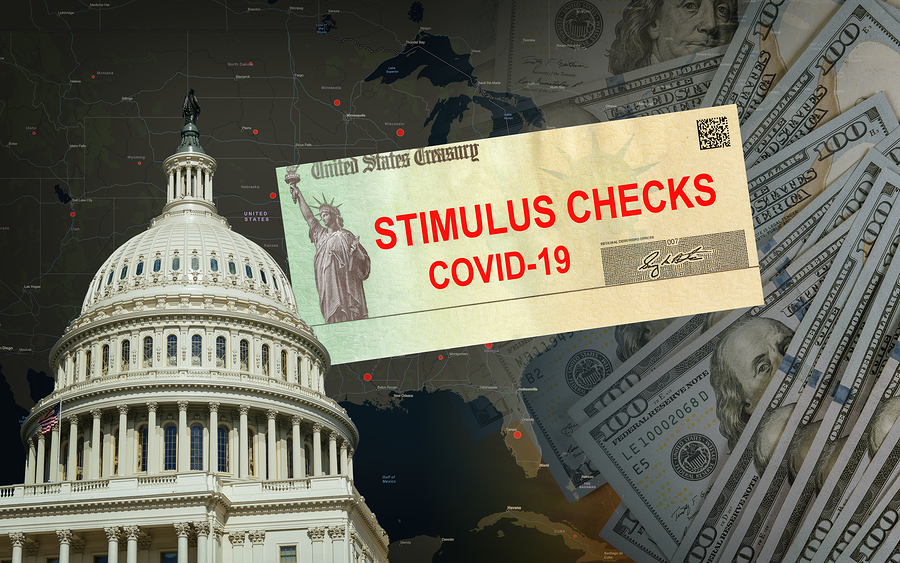
A record number of American workers filed for unemployment last week, which totaled 3.28 million people. The biggest form of financial help comes in the form of a recent $2.2 trillion stimulus package passed by Congress just last week. President Trump signed the stimulus bill into law on March 27, 2020.

Coronavirus, COVID-19, student loan debt, Student Loans

How Student Loan Borrowers Will Benefit from the Stimulus Bill

The recently passed $2.2 trillion stimulus bill provides several different forms of financial assistance for American consumers during the current coronavirus (COVID-19) crisis. The new bill also provides options for student loan borrowers who are struggling to keep up on their loan payments, which comes as good news for the over 44 million borrowers holding more than $1.5 trillion in outstanding student loan debt.

Borrowers who have federally owned student loans will not have to pay on their loans through at least September 30, including Parent PLUS Loans. This payment suspension will occur automatically and does not need to be requested by the borrower.

Bankruptcy Law, Credit Card Debt, Debt Collection, Debt Relief

Tips for Gen. X’ers Battling Credit Card Debt

Credit card debt is a problem that countless consumers struggle with. But according to recent data provided by Experian, Gen X consumers carry more credit card debt than any other generation.

Experian’s data showed that Gen X holds the highest average credit card balances at $8,658. As members of Gen X approach middle age, many of them raising families, they are also struggling to pay down credit card debt they have been holding since their 20s.

Coronavirus, COVID-19, Debt Collection, Debt Relief

Debt Collectors Argue They are ‘Essential’ to Consumer Financial Health During COVID-19 Shutdown

The coronavirus (COVID-19) has hit American consumers hard, putting many of them temporarily out of work. Relief efforts have been made on a state-by-state basis to assist consumers.

New York residents have been given a 30-day freeze period from state-owned medical debt and student loan debt collections. Another similar announcement came from the mayor of Chicago with respect to city debt through April 30, 2020.  The Department of Education has suspended collections on federal student loans, and they are encouraging private student lenders to do the same.

Credit Card Debt, Debt Relief

Understanding the Difference Between Good and Bad Debt

Debt can oftentimes come with a negative connotation, but not all consumer debt is created equal. In fact, some types of debt are better than others. It is important for consumers to know the difference between the two types before taking on additional debt.

Good debt, for the most part, is debt that is used to help a consumer pay for goals or purchases that will enhance his or her overall wealth. Debt in this category includes mortgages and student loan debt, as well as small business loans. These types of debt tend to carry low interest rates and are tax deductible. Good debt is associated with a piece of property or collateral to guarantee the debt, although that is not always the case, such as with student loans.

student loan debt

What Borrowers Should Know About Refinancing Student Loan Debt

If you are facing reduced income as the coronavirus spreads, keeping up with your bills may become increasingly challenging—especially if you are among the more than 43 million people in the US who have student loan debt.

Student loan borrowers regularly receive email advertisements regarding the possibility of saving money on their loans by refinancing their student loan debt. The possibility of saving thousands in student loan interest paid on the debt is tempting, but not every refinancing option is legitimate. However, for borrowers who are paying on loans with rather high interest rates, refinancing through a reputable source can be an excellent way to lower how much interest they pay in the end.

Debt Collection, Debt Relief

What Rights Do Consumers Have When it Comes to Debt?

When someone is in debt, he or she may feel trapped with nowhere to turn. According to Northwestern Mutual’s 2018 Planning & Progress Study, the average American consumer has $38,000 in debt, not including their mortgage.

As soon as creditors or debt collectors begin contacting the consumer regarding what he or she owes, the person may feel like he or she has no choice but to do whatever is being demanded of him or her. However, most consumers do not realize that they do, in fact, have rights when it comes to debt they owe. It helps to know what these rights are when debt collectors or creditors come calling.

Debt Collection, Debt Relief

Tips for Getting Your Debt Out of Collections

Getting out of debt can seem like a never-ending battle. Once someone falls behind on one or more bill payments, the debt collector calls can be relentless. The late fees and penalties that are often assessed on past-due accounts, not to mention the interest rate spikes that come along with missing a payment, can make getting back on one’s feet nearly impossible. There are certain steps that can help consumers who are facing these types of situations get out of debt and stay out.

Remain Calm.

It can be easy to react out of stress or panic and make decisions that someone would not normally have made, especially when dealing with debt collectors. It is important that whatever decisions are made by the consumer are ones that are carefully considered and logical. Many consumers may react out of fear and enter into payment agreements that they would not normally agree with and cannot realistically afford just to get the debt collector to back down. The aggressive techniques used by many debt collectors have this motive in mind. Make sure you understand and get the terms in writing, first. Never agree immediately to a payment arrangement over the phone with a debt collector.

Debt Collection, Debt Relief

The Adverse Effects Debt Has on Mental Health

Carrying any amount of debt can be stressful, but when an individual is carrying a sizeable amount of debt, the effect that debt has on the individual’s well-being can be detrimental. According to a 2017 study published by the Journal of Consumer Research, the likelihood that an individual struggling to handle his or her debt will end up with a mental health issue is three times higher when compared to someone who does not have debt.

One major reason someone struggling with debt may suffer emotionally has a lot to do with the fact that most people keep their feelings regarding debt to themselves and internalize the problem. However, the problem is, keeping these emotional struggles to oneself will only lead to more stress on that person’s mental health, leading to even worse problems, including depression and anxiety.