Debt Collection

What Consumers Need to Know About Debt Collection Rules ‘Regulation F’

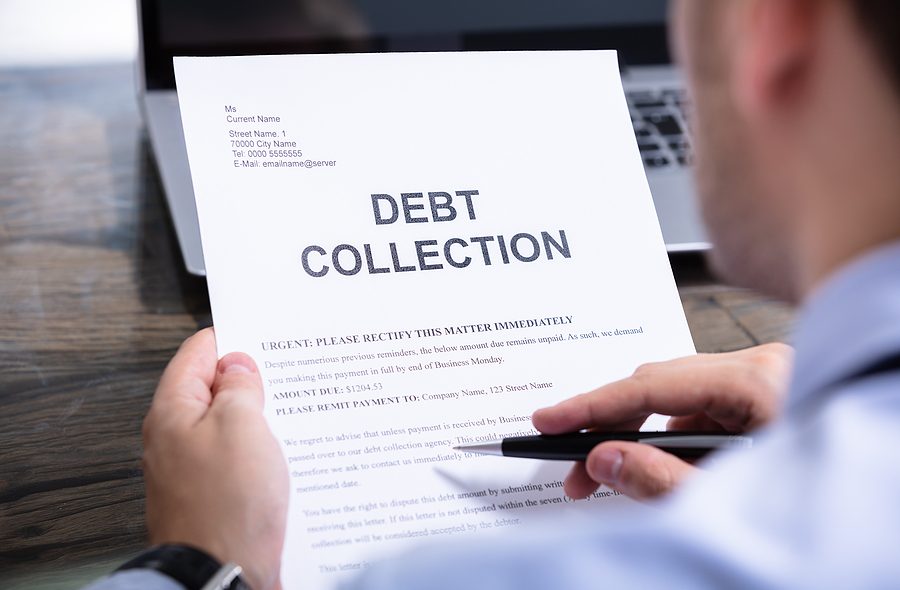
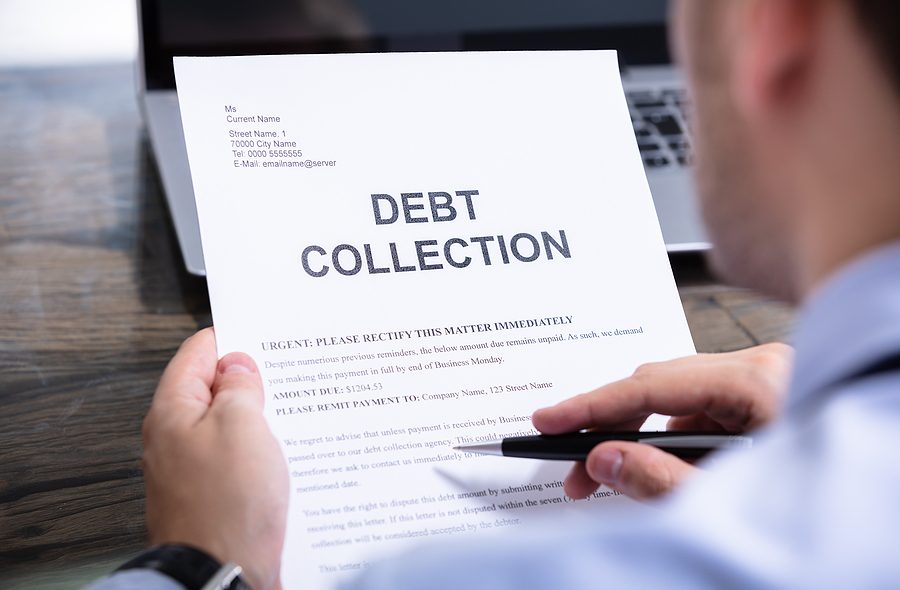
Several new debt collection rules have been announced by the Consumer Financial Protection Bureau (CFPB). These rules, through what is called Regulation F, offer greater control to consumers over the various method and times they will be able to be contacted by debt collectors.

Regulation F was implemented by the CFPB on October 30, 2020, and December 18, 2020. The regulation was created to interpret the Fair Debt Collection Practices Act (FDCPA). The FDCPA is meant to protect consumers from abusive collection tactics by third-party debt collectors. Regulation F officially went into effect on November 30, 2021. The FDCPA and the regulations included in Regulation F apply only to third-party debt collectors and not original creditors.

Debt Collection, Debt Consolidation, Debt Settlement

Can Settling a Debt Harm Your Credit?

Escaping debt can be a long, arduous process. Many times, consumers find success in working with the creditor directly on settling the total amount owed, satisfying the debt by paying an amount that is much smaller than what was originally owed. While debt settlement can lift the burden carrying a large amount of debt places on a consumer, it also comes with its negative attributes, as well. In fact, according to new reports, debt settlement can actually end up harming a consumer’s credit score more than it helps.

A debt settlement can lower a person’s credit score by 100 points or more, according to the National Foundation for Credit Counseling. It can take up to seven years to recover from that negative hit.  

Debt Collection

Can a Debt Collector Contact me on Facebook?

Debt collectors will resort to any tactic possible to contact a consumer regarding an outstanding debt. Traditionally, these communications have come in the form of phone calls or letters, but as technology has advanced, text and email communication have become a common way of reaching consumers. Debt collectors are also resorting to tracking people down through their social media accounts.

A federal agency issued a new rule that allows debt collectors to contact people by email, text message, and social media platforms, including Twitter, Facebook, and Instagram.

Debt Collection, Debt Relief

CFPB Announces Two Final Debt Collection Rules to Go into Effect November 30

The Consumer Financial Protection Bureau (CFPB) announced two final debt collection rules which are scheduled to take effect on November 30, 2021. These two rules clarify and add further detail to provisions of the Fair Debt Collection Practices Act (FDCPA), the law that offers protections to consumers from abusive or unfair collection practices from third-party debt collectors.

These rules were originally going to be made effective in the spring, but the CFPB delayed the effective date by 60 days to allow all affected parties time to comply due to the COVID-19 pandemic. However, after making the announcement regarding a 60-day delay, the CFPB determined that the extension was not needed and published the official notice in the Federal Register officially withdrawing the extension.

Debt Collection, Debt Relief

Understanding Zombie Debt and the Statute of Limitations

Consumer debts have what is called a statute of limitations. This is the amount of time the creditor can use the court to force a consumer to pay a debt. After the statute of limitations has expired on a debt, it is no longer legally enforceable. Occasionally, however, a consumer may be contacted regarding an old debt by a collector who hopes the consumer will ‘restart the statute of limitations.’

Zombie debt is debt that the consumer thinks is “dead,” meaning it is past the statute of limitations that the debt collector is now trying to bring back to life. While the debt collector cannot take the consumer to court to collect on the debt, there are no laws saying they cannot continue to contact the consumer to collect what is owed. Many times, debt collection agencies will purchase expired debt to turn a profit. Since the cost to buy expired debt is exceptionally low, even if they collect on a handful of accounts, they are still earning a profit.

COVID-19, Foreclosure Defense, Foreclosures

Emergency Mortgage Relief Could Extend Through 2022

Since the start of the COVID-19 pandemic, millions of homeowners have benefited from the mortgage relief programs offered by the federal government, and some private lenders.  Now that a year has passed, approximately 2.5 million homeowners are still enrolled in some sort of mortgage relief program, whether it be payment suspension or mortgage forbearance, according to the Mortgage Bankers Association (MBA) 

It is for this reason that the Consumer Financial Protection Bureau (CFPB) wants to extend these provisions and programs further into the future to ensure that these homeowners are not forced into foreclosure.  

Debt Collection

Debt Collectors Will Soon Be Reaching Consumers via Text and Social Media

Debt collectors will soon have another way to reach consumers. The Consumer Financial Protection Bureau (CFPB) released a ruling outlining how collectors will soon be able to reach consumers via text messaging and social media The federal government has cleared the way for collection agencies to send unlimited texts, emails and even instant messages on social media platforms. 

Debt collectors will be required to include instructions on how to opt out of these messages within the text of the communication. The CFPB will also limit collectors to calling consumers to seven calls per week per debt.  

student loan debt, Student Loans

ITT Tech Student Loan Lender Must Pay $330 Million in Debt Relief to Former Students

An agreement has been reached between the attorneys general from 43 states and the now-closed ITT Technical Institute (ITT Tech). This agreement was part of a lawsuit brought by former ITT Tech students, requesting approximately $330 million in student loan forgiveness for 43,000 loans.

This lawsuit was a joint legal effort brought on by the Consumer Financial Protection Bureau (CFPB) and 43 different states. The settlement was made with PEAKS Trust, a private lending institution that is run by ITT and is also affiliated with several Deutsche Bank entities.

Debt Collection

Consumer Groups Dispute Proposed Debt Collection Rule

A new rule is being proposed by the Consumer Financial Protection Bureau (CFPB) that would require debt collectors to notify consumers as to whether they can be legally sued for a debt they are attempting to collect. This rule follows complaints made by consumers regarding debt collectors threatening to collect on debts that they otherwise would not be able to pursue legally.

Every state has statutes of limitation which control how long an individual or entity can bring a legal action. For collection of debt, this timeline in Florida is five years for debts resulting from written contracts, such as personal loans, and four years for oral contracts or revolving accounts, including credit cards. If a creditor contacts a consumer regarding a debt past that deadline, the consumer is not under any legal obligation to pay.

Debt Relief, Timothy Kingcade Posts

Mulvaney’s Role in Dismantling Consumer Financial Protection Bureau Highlighted in New York Times Magazine

After Mick Mulvaney was appointed as the acting director of the Consumer Financial Protection Bureau (CFPB), following the start of President Trump’s term, many consumer advocates feared that he would bring sweeping changes that would undo any of the progress that the CFPB had made in protecting consumers. A recent opinion piece published by New York Times Magazine highlighted many of the events following Mulvaney’s appointment that showed that many of those fears were, in fact, quite valid.

The CFPB was originally created with the assistance of Senator Elizabeth Warren, following the 2008 financial crisis. The agency was meant to be an economic watchdog for American consumers and protect them from predatory lenders. However, after its creation, opponents of the agency in the Republican party disputed efforts made by the CFPB. It was not surprising that President Trump would appoint someone who did not fully support the agency’s mission to run the CFPB soon after being elected.

Shortly after Mulvaney began working at the CFPB, he ordered a total hiring freeze, put many enforcement cases on hold and also informed the Federal Reserve, the agency that funded the CFPB a zero dollar budget, stating that the CFPB could handle its affairs with money already in their account.

Within weeks, Mulvaney announced that he would reconsider one of the bureau’s major long-term initiatives: rules to restrict payday loans, products that are marketed to the working poor as an emergency lifeline but frequently leave them buried in debt.

“Anybody who thinks that a Trump-administration C.F.P.B. would be the same as an Obama-administration C.F.P.B. is simply being naïve,” Mulvaney told reporters. “Elections have consequences at every agency.”

A payday loan is a short-term loan given in exchange for the borrower’s paycheck, along with a fee paid to the lender. Mulvaney was not supportive of the CFPB’s role in restricting payday lenders. While he agreed that these loans were not always financially sound, it was his stated position that borrowers should be wiser and not take out these loans without understanding the terms.

However, the CFPB and Warren previously viewed payday companies as predatory lenders who took advantage of borrowers who were desperate to get out of a bad financial situation.

‘These are entities that suck up billions of dollars a year from people making $25,000 a year. And it’s going into the pockets of the wealthiest people in the world.’

Borrowers take out these loans in a last-ditch effort to pay for an emergency expense but very rarely are informed of the terms in fine print, or misinformed of the consequences if they fail to pay the loan off timely.  If a borrower cannot pay the loan off at the end of the period, the companies often roll the older loans into new ones with even higher fees.

Many states offer protection for borrowers when it comes to predatory lending and payday loans. However, it was Warren’s position and the original mission of the CFPB to provide uniform protections for all borrowers nationwide. Florida offers consumers who take out payday loans from licensed lenders certain protections, including the following:

  • A borrower may borrow up to $500 per loan;
  • A borrower can only have one outstanding loan at a time;
  • The maximum fee that can be charged is 10 percent of the total amount borrowed, plus a $5.00 verification fee;
  • The loan contract cannot exceed 31 days but can also not be less than seven days;
  • Contract terms that otherwise limit your rights as a borrower are prohibited;
  • A borrower must pay a previous loan in full and wait a full 24 hours before entering another loan;
  • If the borrower is not able to pay the loan in full at the end of the term, the lender must give a 60-day grace period without any additional charge.

The New York Times Magazine piece also highlighted the fact that Mulvaney received campaign donations in the past from many different payday lenders, which leads one to question the motivation behind the CFPB’s sudden change in policy when it comes to payday loans. Mulvaney is now working as the President’s Chief of Staff, but the changes made at the CFPB have had longstanding ramifications when it comes to consumer protection from predatory lending practices.

Click here to read more on this story.

If you have questions on this topic or are in financial crisis and considering filing for bankruptcy, contact an experienced Miami bankruptcy attorney who can advise you of all of your options. As an experienced CPA as well as a proven bankruptcy lawyer, Timothy Kingcade knows how to help clients take full advantage of the bankruptcy laws to protect their assets and get successful results. Since 1996 Kingcade Garcia McMaken has been helping people from all walks of life build a better tomorrow. Our attorneys’ help thousands of people every year take advantage of their rights under bankruptcy protection to restart, rebuild and recover. The day you hire our firm, we will contact your creditors to stop the harassment. You can also find useful consumer information on the Kingcade Garcia McMaken website at www.miamibankruptcy.com.

Additional Resources:

https://www.accountsrecovery.net/2019/04/16/nyt-feature-details-how-mick-mulvaney-took-apart-the-cfpb/

https://www.flofr.com/sitePages/PaydayLenders.htm