Coronavirus, COVID-19, Debt Relief

Floridians Hope to Receive Relief from Second Round of Stimulus Payments

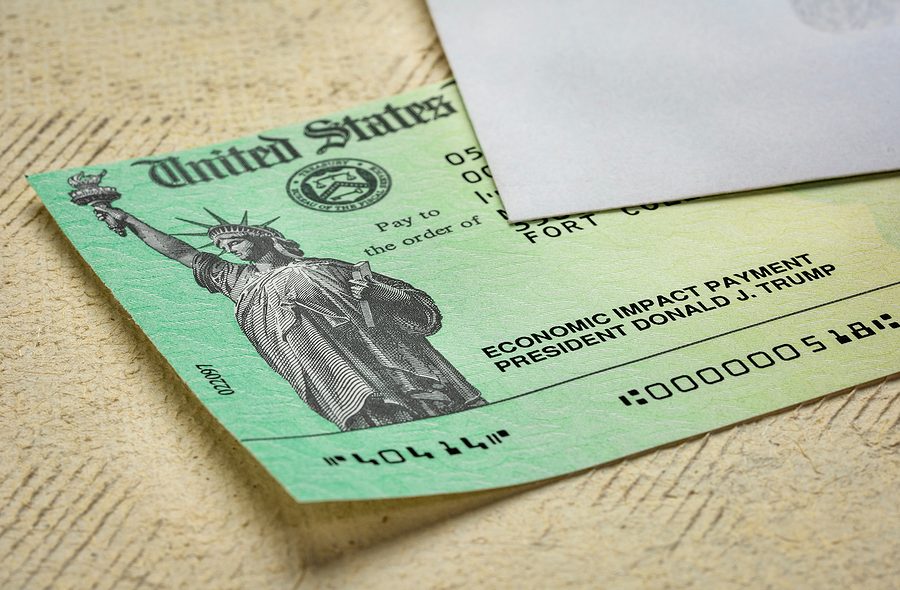
As coronavirus (COVID-19) continues to affect the economy, many have been wondering when another relief package would be passed by Congress. After the CARES Act was passed in March 2020, providing the first source of stimulus payments, consumers have been anticipating a second source of stimulus payments to help during their continuing financial struggles. Fortunately, at the end of December 2020, a second stimulus relief package was passed by Congress and signed by the President, providing them with a sense of reprieve.

As compared the $2 trillion CARES Act passed last March, this second package totals $900 billion. Additionally, while the previous package provided $1,200 per taxpayer, this new bill provides $600 per individual making less than $75,000 annually. The new legislation provides $600 per child, while the previous legislation provided $100 less per child.  

Bankruptcy Law

How Will Filing For Bankruptcy Affect My Spouse?

Filing for bankruptcy when someone is married can be a joint process, or it can be done by only one spouse proceeding with the case. Ultimately, it depends on the type of debt and the financial situations for both spouses. For example, if one only spouse owes a specific debt or debts, then that spouse may be able to proceed on a bankruptcy alone, especially if the other spouse has good credit and very few other debts. Proceeding with a single bankruptcy case while married can be complicated, and in certain situations, it can adversely affect the non-filing spouse, but not always 

Joint Debts

In any marriage, parties bring in their own, individual debts, and debts are almost always incurred during the marriage, as well. One spouse may choose to take out a loan, not naming the other spouse on the debt, which means only the spouse whose name is on the debt is responsible for what is owed. If that spouse is not able to continue making payments on the debt, he or she can proceed with a bankruptcy to discharge that debt. If the debts listed in that bankruptcy case belong to the filing spouse alone and not the non-filing spouse, discharging the filer’s debts and liabilities should be a straightforward process. It becomes more complicated if any of the debts listed in the bankruptcy case belong to the non-filing spouse. In these situations, these joint debts will normally remain with the non-filing spouse. 

Bankruptcy Law

How to Know which Type of Bankruptcy is Right for You

Making the choice to file for bankruptcy is not an easy decision to make, but it is the first step towards a financial fresh start. However, choosing which type of bankruptcy to pursue can be a difficult decision to make.  

Typically, consumers choose between a Chapter 7 “liquidation” bankruptcy or a Chapter 13 “reorganization” bankruptcy. Both forms of bankruptcy have their positive attributes, as well as their negative ones, and it ultimately depends on the consumer’s financial situation and the goals he or she wants to achieve as to which type of consumer bankruptcy will be best for him or her.  

COVID-19, Credit Card Debt

Credit Card Debt Falls 9 Percent Despite Decline in Economic Conditions

The coronavirus (COVID-19) pandemic has hit the country’s economy hard, but this fact does not seem to be reflected in the nation’s credit card debt According to statistics from credit reporting agency, Experian, credit card balances have declined at a record rate in 2020.  

Economic crises tend to lead to a change in consumer behavior. World War II pushed consumers to change their spending habits in ways they had not done before. The COVID-19 pandemic with forced lockdowns and widespread unemployment has likewise put things into perspective for American consumers, pushing them to change their spending habits, as well, including how they use their credit cards.  

Bankruptcy Law

The Pros and Cons of Filing Chapter 7 Bankruptcy in 2020

For someone struggling financially, a Chapter 7 bankruptcy case can offer him or her a fresh start and freedom from insurmountable debt. The year 2020 has pushed many consumers to the brink financially, and bankruptcy can offer the help a person needs to start the New Year debt-free.  

Pros of Filing Chapter 7  

As soon as a Chapter 7 bankruptcy case is filed, the consumer receives immediate protection from his or her creditors. This protection comes from the automatic stay that is issued by the court upon filing. The automatic stay puts a pause on all collection actions, including collection phone calls, legal proceedings to collect on a debt, wage garnishments, evictions, and foreclosures. The automatic stay also gives consumers a chance to breathe and work with the court and bankruptcy trustee.   

Coronavirus, COVID-19, Credit Card Debt

More Americans Paying Rent on Credit Cards with No Second Stimulus Relief Bill in Sight

The coronavirus (COVID-19) pandemic has hit the country hard.  Many people have been left with no choice but to use their credit cards to pay for basic living expenses, including their rent. Financial analysts fear that this trend could be a warning sign that, without a second stimulus relief package from Congress, the nation’s economy is heading towards another crisis.  

According to statistics from the Federal Reserve Bank of Philadelphia, an increase of approximately 70 percent has been reported on the number of consumers using their credit cards to pay their rent. What this indicates is that the person using their credit to pay for the most basic of living expenses is significantly struggling, does not have any savings to pay for unexpected expenses, and is at risk of losing his or her home.  

Credit Card Debt

The 5 Best Ways to Pay Down Credit Card Debt during COVID-19

The coronavirus pandemic has compounded the stress of credit card debt for many Americans today.  Consumers have relied more than ever before on their credit cards to cover bills and necessary purchases due to the financial impact related to job losses and shutdowns.  The following methods can prove to be helpful for consumers looking to pay down their credit card debt during the COVID-19 crisis.  

Debt Snowball Method 

One method of paying down credit card debt which many consumers have had success with is known as the debt snowball method. This method works by focusing all payments on the credit card with the lowest balance first, while making minimum payments on all others. Once that card is paid in full, the consumer then focuses on the one with the next lowest balance, and so on, until all credit cards are paid off in full. By taking the smallest balance first, the consumer is likely to see progress being made paying down his or her debt. Seeing the actual progress can be motivation to keep paying down all remaining credit cards. This method is not a quick fix, however, although it does work successfully over time.  

Medical Debt

How Medical Debt Affects Your Credit

Medical debt is a financial stressor for many Americans. A vital medical procedure or trip to the emergency room can set someone back thousands of dollars in medical bills, even with insurance coverage. However, if the patient is not able to pay back these bills, that medical debt can turn into an even bigger problem if it’s reported to the credit bureaus.

According to a study from Families USA, approximately 5.4 million Americans were laid off, losing their health insurance coverage between February and May 2020. This figure is 40 percent higher than the previous recorded annual losses. Without health care coverage, it is safe to assume many of these bills will go unpaid.  

Coronavirus, Debt Relief

Mortgage Debt Reaches Record High of $10 Trillion

The American housing market is booming, even though various aspects of the nation’s economy are struggling due to the coronavirus (COVID-19) pandemic.  During the last quarter of 2020, the nation’s mortgage debt load reached a record high of $10 trillion, according to figures from the Federal Reserve Bank of New York. Low interest rates for home mortgages is a big catalyst for this boom in the housing market.  

Consumers are taking advantage of record low interest rates when making home purchases. At the start of November 2020, mortgage rates reached a 12th record low in 2020.  As a result, mortgage debt jumped by $85 billion between July and September 2020, reaching a high of $9.86 trillion.  

Business Bankruptcy, COVID-19

Stimulus Relief Fails to Save Hundreds of Businesses

The financial ramifications of the COVID-19 pandemic have been significant for countless businesses throughout the United States.  At the start of the pandemic, federal stimulus funds were issued in various forms to help businesses survive the economic crisis. However, as the virus continues, many of these businesses are being forced to close.  

According to a Wall Street Journal analysis of legal filings and government data, over 300 U.S. companies that received approximately half a billion dollars in stimulus relief have also filed for bankruptcy this year. These 300 companies employ a total of 23,400 workers who are being adversely affected.