
student loan debt

The Hidden Cost of Student Loan Debt

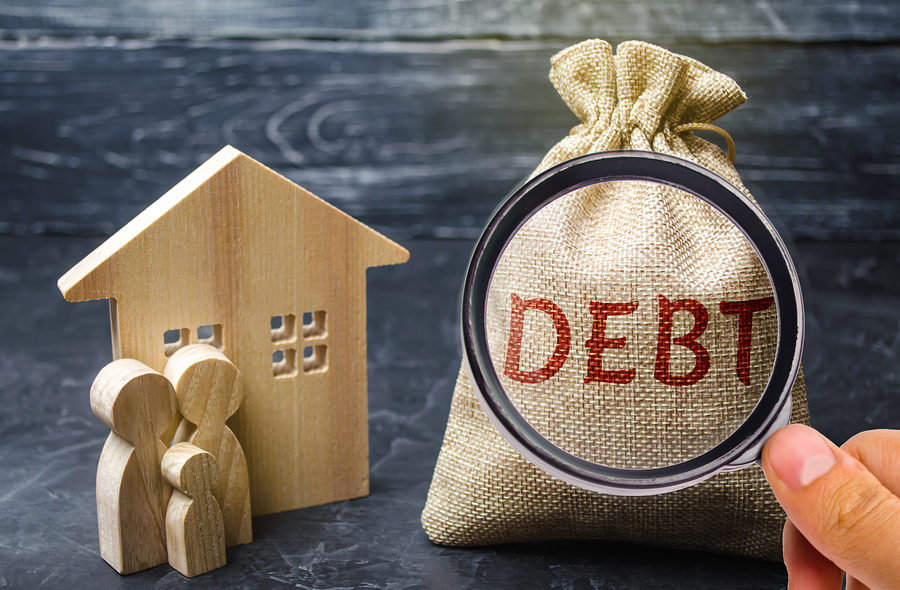
According to a recent report from the Student Borrower Protection Center (SBPC), student loan debt may lead to additional interest paid on other forms of debt, including credit cards and mortgages. Borrowers may not realize just how much their debt can influence these other payments and may be paying higher prices without even realizing it.

The effects of student loan debt are far-reaching. Approximately 44 million Americans carry a collective $1.6 trillion in student loan debt. Most of these individuals also carry other forms of debt, the most common of these being mortgages and credit card debt. According to this SBPC study, these individuals are also forced to pay up to tens of thousands more in extra costs when purchasing a home or car or even using their credit card.

Credit Card Debt, Debt Collection, Debt Relief

How to Continue Paying Debt While Unemployed During COVID-19

The coronavirus (COVID-19) pandemic has caused countless Americans to lose their jobs. More than 30 million Americans have filed for unemployment in the wake of the outbreak. Paying for basic expenses can be difficult enough but paying down debt while unemployed can seem impossible.

However, with proper planning and by taking advantage of opportunities available during this time, it can make things a little easier. The first step is to evaluate all expenses coming out monthly and create a budget to see what payments can be made. Additionally, the Coronavirus Aid Relief and Economic Security Act (CARES) provides some relief, as well, that can make this process easier.

Coronavirus, COVID-19, Debt Relief

How to Avoid a Big Tax Hit on Coronavirus Unemployment Benefits

Man fills in Unemployment benefits application form.

A record 33 million American workers are currently collecting unemployment benefits amid the coronavirus (COVID-19) pandemic. And with these benefits come the inevitable tax repercussions. Here are some ways to lessen the impact.

Unemployment benefits received through the state, as well as the $600 coming from the CARES Act, provided by the federal government through July 31, are all considered taxable income. While Social Security and Medicare costs do not come out of unemployment benefits immediately like they do with normal paychecks, the recipient will be taxed by both the state and federal government. This can result in the person winding up paying in the long run when it comes to tax season if he or she has not paid enough tax throughout the year. However, this little “surprise” can be avoided by taking a few extra steps when receiving unemployment benefits.

Bankruptcy Law, Coronavirus, COVID-19

Bankruptcy and the Coronavirus: Help for Florida Small Businesses

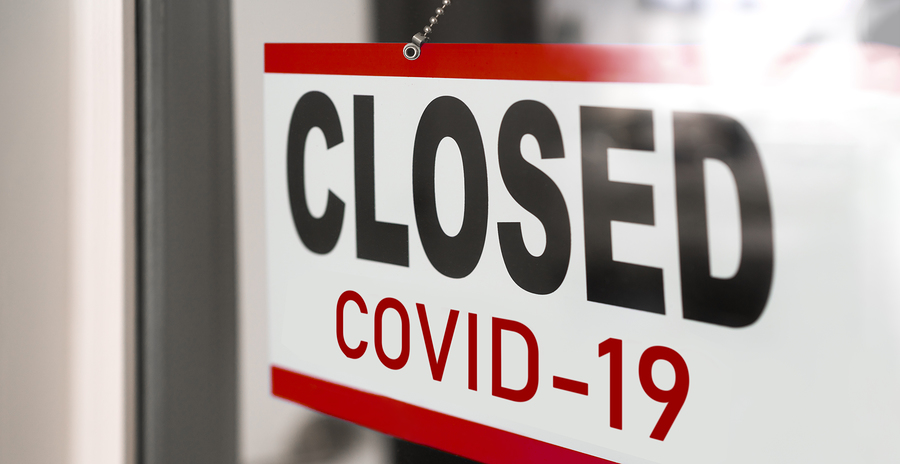
The coronavirus (COVID-19) pandemic has been hard on businesses. During the shutdown, countless South Florida businesses were forced to shutter or adjust to a new normal, bringing in significantly less income than before. Many of these business owners have also been compelled to make some tough decisions, including the decision on whether to proceed with bankruptcy.

Bankruptcy can be beneficial for businesses that are struggling during this difficult time. The bankruptcy framework and the automatic stay that occurs immediately upon filing for bankruptcy offers relief that individuals and business owners desperately need.

Bankruptcy Law

Bankruptcy Explained: The Qualifications and How to File

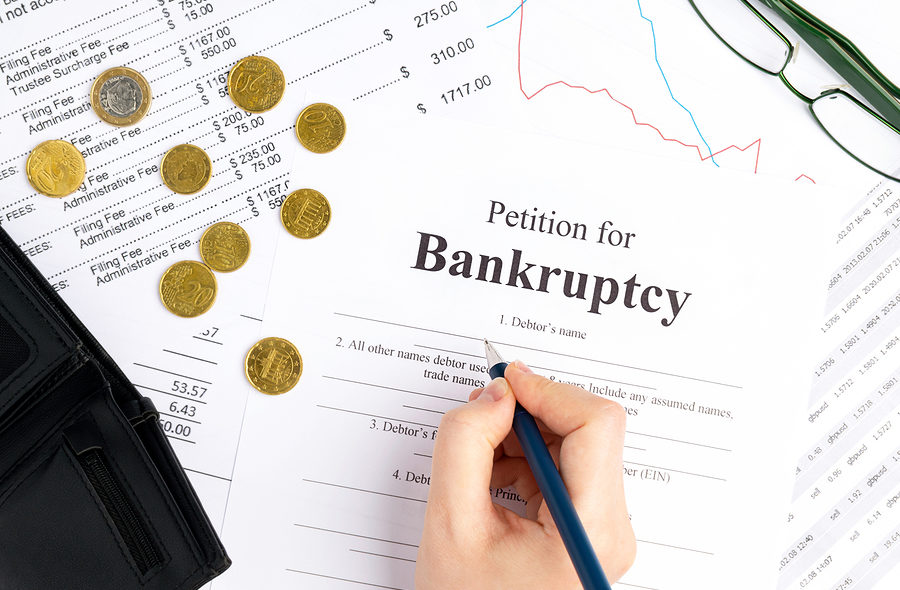
Filing for bankruptcy can be an emotional and sometimes stressful process. However, enlisting the help of an experienced bankruptcy attorney can make the process painless and worry-free.  Many clients have little understanding about what is involved when they file for bankruptcy.  Bankruptcy is a legal proceeding where a judge and bankruptcy trustee review the financial situation of individuals or businesses who are not able to pay their financial obligations and discharge qualifying debts that they are no longer able to pay.

The Purpose of Bankruptcy

Bankruptcy is meant to give an individual a fresh financial start, allowing that person to wipe the slate clean. It also serves as a way to give the filer some sense of relief through the protection of the automatic stay, which means creditors are prohibited from continuing collection actions against the filer. This allows the person time to regroup, protect valuable assets and work with the bankruptcy trustee to eliminate their debts.

Coronavirus, COVID-19, student loan debt

Tips for Keeping Student Loan Debt Under Control During Covid-19

Student loan debt was already a financial burden for many Americans, but the COVID-19 crisis has made it worse. It helps to understand what options are available for borrowers who are struggling to keep up with their student loan debt during this time of crisis.   

Federal Assistance and Forbearance

In March 2020, Congress passed the Coronavirus Aid, Relief and Economic Security (CARES) Act in light of the growing pandemic. The CARES Act includes certain provisions that lighten the burden carried by student loan borrowers. As of March 13, 2020, most federal student loans were put on administrative forbearance which means no payments were due, beginning March 13, 2020 and ending September 30, 2020.

Coronavirus, COVID-19, Credit Card Debt, Debt Relief

Nearly Half of U.S. Adults Now Carrying Credit Card Debt Amid Pandemic

Credit card debt has dramatically increased since the coronavirus (COVID-19) pandemic, according to recent data from CreditCards.com. Their data reports that 120 million U.S. consumers, or 47 percent of all consumers, had credit card debt as of April 2020, which is a 43 percent increase from March.

Millennials were hit the hardest with 34 percent of them reporting that they used credit regularly. Experian, one of the three main credit reporting agencies, reported in March that U.S. consumer debt reached a staggering $14.1 trillion with credit cards making up $829 billion of this debt. This level is the highest seen since the Great Recession.

Bankruptcy Law, Coronavirus, COVID-19, Debt Relief

How Has the Coronavirus Affected Bankruptcy Filings?

Even though unemployment filings have skyrocketed, and countless businesses have been struggling during the coronavirus pandemic, bankruptcy courts have not been flooded with new cases- yet.

When compared to bankruptcy filings in April 2019, there were 47 percent fewer consumer bankruptcy filings in April 2020, according to the American Bankruptcy Institute (ABI).

Bankruptcy Law

New Bankruptcy Law Takes Effect Benefiting Small Businesses

For the most part, business bankruptcy, also known as Chapter 11 Bankruptcy, has not been a viable option for most struggling small businesses. The process can be long and complicated, and the costs associated with filing under Chapter 11 of the U.S. Bankruptcy Code have kept most small businesses out of this option, leaving them to either pursue a personal bankruptcy under Chapter 7 or Chapter 13 or to close their doors completely. However, the Small Business Reorganization Act (SBRA), which officially took effect two months ago, has taken away some of these barriers, opening the possibilities for Chapter 11 filings for small businesses.

Originally, the SBRA applied only to businesses or sole proprietors with less than $2.7 million in debt. However, when the coronavirus (COVID-19) crisis hit in March, Congress temporarily increased this debt cap to $7.5 million in debt, opening the doors to many more businesses to take advantage of the SBRA.

Coronavirus, COVID-19, Credit Card Debt, Debt Relief

Simplified Rules for Paying Down Debt

When it comes to paying down debt, the process can seem daunting if not impossible. During COVID-19, many Americans are being forced to take a different approach when it comes to their finances. With the uncertainty of how long this pandemic will last and how it will affect the nation’s economy, many are concerned how to manage their existing debt while trying not to incur new debt.

One good rule of thumb is to look at the debt that is costing you the most in the long run. How is this “cost” determined? The interest rate on the debt is often a good predictor of whether a debt will end up taking longer to pay off and will end up costing someone more when the debt is eventually paid in full.