Debt Collection

Cellphone Robocall Ban Upheld by U.S. Supreme Court

The U.S. Supreme Court issued a ruling this week that upheld a federal ban on robocalls to mobile devices. The ruling issued by the court broadened the ban, eliminating a 2015 exception that previously existed for government-debt collection while keeping the original 1991 robocall ban intact.

The matter came before the court in Barr vs. American Assn. of Political Consultants. Due to the coronavirus pandemic, the case was ironically argued remotely via telephone. The ban was originally created by the 1991 Telephone Consumer Protection Act, which issued fines up to $1,500 for any call or text placed to a mobile phone without prior consent by use of an automatic, robocall dialing or automated voice messaging system. The issue at hand arose after Congress created an exception to the law in 2015, that allowed for automated robocalls to consumers who owed debt to the U.S. government.

Bankruptcy Law, Kingcade Garcia McMaken

How to Choose a Bankruptcy Lawyer

Making the decision to file for bankruptcy can be a difficult one, but choosing the right bankruptcy attorney to handle your case can be even harder.  It helps to do your research, not only online but in person, too. The following tips can help someone who is considering filing for bankruptcy choose the best attorney for the job.

Experience Matters

Many people will start their search on the Internet, looking online to find a bankruptcy attorney. Experience is one factor that should always be considered when choosing an attorney. Experience does not just mean years practicing law. It is important to find someone who has filed cases in bankruptcy court and handles bankruptcy matters regularly. It helps a great deal to find someone who focuses his or her practice solely on bankruptcy law and who handles the specific type of bankruptcy the filer is pursuing instead of a general practice attorney who handles a little bit of everything. Many attorneys will handle only Chapter 7 bankruptcy cases, while others will handle corporate bankruptcies, restructuring and reorganization.

Coronavirus, COVID-19, Financial Advice

When You Should Use Your Emergency Fund

Financial experts recommend that consumers put away a little money every paycheck towards an “emergency fund.”  This money is meant to cover the ‘unexpected expense,’ whether that be a car repair, medical bill, or essential home repair. With the current coronavirus (COVID-19) pandemic and many people losing their jobs, it may be time to utilize your emergency fund.

Financial Hardship

One of the most common circumstances where a person would utilize their emergency fund is in response to financial hardship. The stimulus funds offered by the CARES Act helped for a short period of time, and many landlords, mortgage holders, credit card companies and other creditors have been willing to work with individuals who are struggling to pay their bills as a result of this crisis. However, even with that help, a person may still need to take some money from their emergency savings to pay for bills that need paid. Once your income returns, then begin replenishing the money taken from savings.

Debt Collection, Debt Relief, Medical Debt

How Long Does Medical Debt Remain on a Person’s Credit Report?

After suffering a serious injury or illness, it can be hard to pay the bills that inevitably follow. Considering how many Americans are now facing medical debt in light of the coronavirus (COVID-19) pandemic, many wonder the effects this will have on their credit score and how long the debt will remain on their credit report.

After medical debt has been reported to the credit bureaus, it can remain on a consumer’s credit report for up to seven years. However, a person’s medical debt is not immediately reported to that individual’s credit as soon as it is incurred. It will not be reported to a person’s credit so long as that debt remains with the original service provider. Once a person defaults on the debt and it goes to collection, only then will the medical debt begin to show up on a person’s credit report.

Foreclosure Defense, Foreclosures

Federal Ban on Foreclosures and Evictions Extended through End of August

As the coronavirus has put hundreds of thousands of Americans out of work, many are struggling to pay necessary living expenses, including rent and mortgage payments.  At the start of the pandemic, many states, as well as the Federal Housing Finance Agency (FHFA) issued a temporary ban on foreclosures and evictions to help alleviate this burden.

This week, the FHFA has announced that they will be extending this ban on foreclosures and evictions through at least August 31.

COVID-19, Credit Score

Tips to Protect Your Credit Score During the Coronavirus Pandemic

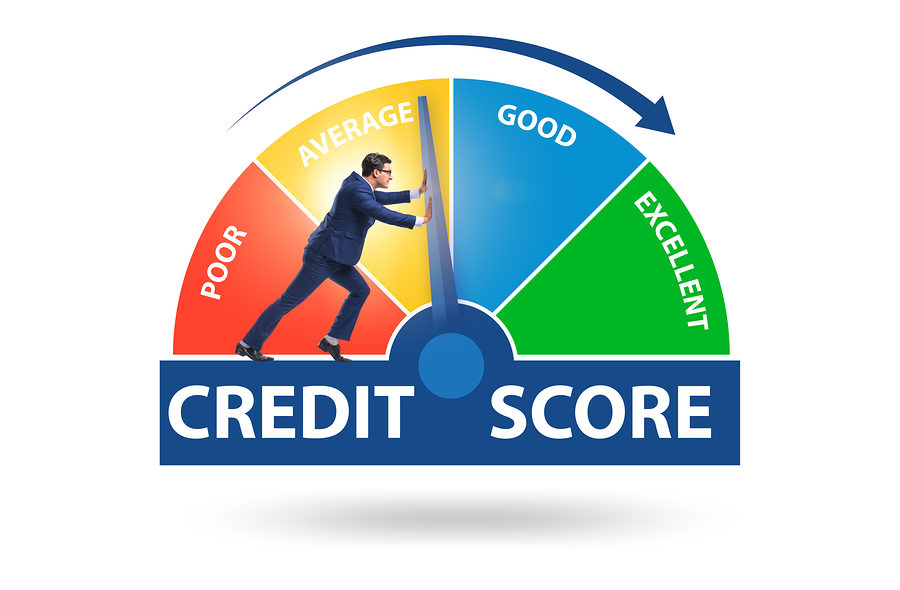
The coronavirus (COVID-19) pandemic has put many Americans in a difficult financial situation. While many are out of work either temporarily or permanently, others have found their salaries cut indefinitely as companies ride out the pandemic. The financial struggles that countless consumers are facing has put their own personal financial situations at risk, including their credit scores. Here are some tips to help protect your credit score during the pandemic.

File for Unemployment.

One of the first things a person should do after being laid off due to the pandemic is to file for unemployment. Due to the unprecedented conditions brought on by the COVID-19, the Coronavirus Aid, Relief and Economic Security Act (CARES Act) expanded the eligibility terms for unemployment benefits.  These benefits now extend to freelancers and contract workers. Additionally, the CARES Act has provided an additional $600 per week for those who qualify.

Bankruptcy Law, Coronavirus, COVID-19, Debt Relief

A Tidal Wave of Bankruptcies Expected in the Coming Months

As the coronavirus (COVID-19) pandemic continues, many small businesses are filing for bankruptcy to help reorganize their debt and keep creditors at bay. The types of companies being affected include small mom and pop shops, as well as larger corporations.  Hertz and J. Crew, recently filed for Chapter 11 bankruptcy, and the number of businesses following suit are expected to rise.

According to Edward I. Altman, the man responsible for creating the Z score, a figure that is used to predict business failures, the year 2020 is expected to set a record for ‘mega bankruptcies,’ meaning businesses with $1 billion or more in debt will be filing for bankruptcy protection. The effects of this could be devastating to the U.S. economy.

Bankruptcy Law

Tips to Keep in Mind Before Filing for Bankruptcy in Florida

Many people view bankruptcy as this great unknown and truly do not understand the process before filing. However, it helps to understand what is involved when filing for bankruptcy and what to expect during the process.

What Is Bankruptcy?

Bankruptcy is a legal proceeding that basically provides the filer a fresh financial start. While it does involve putting the filer’s financial situation in the hands of the bankruptcy court and bankruptcy trustee, it can give the person a chance to breathe and get back on his or her feet. Bankruptcy will put all collection proceedings and foreclosure cases at a stop through the automatic stay and will also stop creditors from continuing to contact the consumer.

Bankruptcy Law, COVID-19, Debt Relief, Small Business Bankruptcy

How to Handle Business Bankruptcy in the Aftermath of the Coronavirus

The coronavirus (COVID-19) pandemic has hit South Florida businesses hard. Many small businesses have struggled to survive the shutdowns and drop in revenue, while others are pursuing bankruptcy as a means of remaining in operation while receiving financial assistance. For businesses who wish to make it through this time of crisis, help is available.

It has been reported that the number of businesses that filed Chapter 11 bankruptcy increased by 26 percent from the previous year, even though overall bankruptcy filings were down. These numbers are expected to continue to increase over the summer months as businesses begin to reopen.

Debt Collection

Consumer Groups Dispute Proposed Debt Collection Rule

A new rule is being proposed by the Consumer Financial Protection Bureau (CFPB) that would require debt collectors to notify consumers as to whether they can be legally sued for a debt they are attempting to collect. This rule follows complaints made by consumers regarding debt collectors threatening to collect on debts that they otherwise would not be able to pursue legally.

Every state has statutes of limitation which control how long an individual or entity can bring a legal action. For collection of debt, this timeline in Florida is five years for debts resulting from written contracts, such as personal loans, and four years for oral contracts or revolving accounts, including credit cards. If a creditor contacts a consumer regarding a debt past that deadline, the consumer is not under any legal obligation to pay.