
Understanding the Difference Between Good and Bad Debt
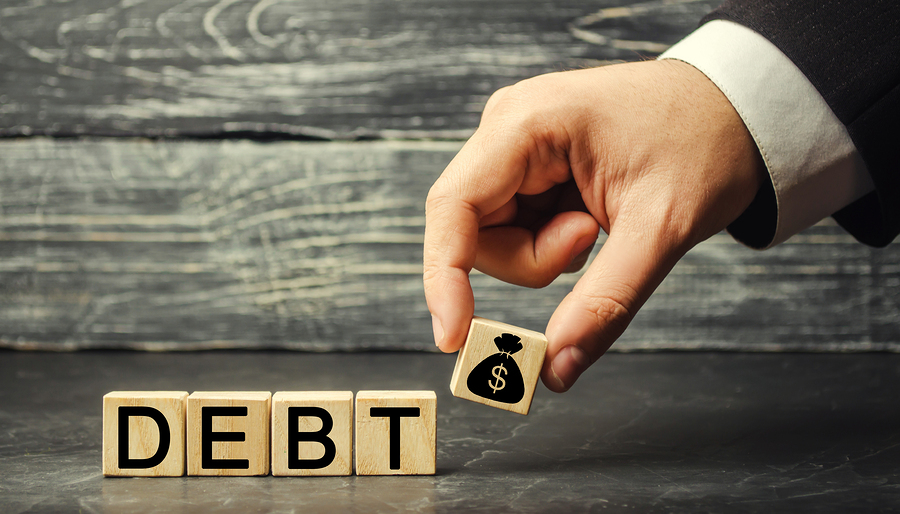
Debt can oftentimes come with a negative connotation, but not all consumer debt is created equal. In fact, some types of debt are better than others. It is important for consumers to know the difference between the two types before taking on additional debt.
Good debt, for the most part, is debt that is used to help a consumer pay for goals or purchases that will enhance his or her overall wealth. Debt in this category includes mortgages and student loan debt, as well as small business loans. These types of debt tend to carry low interest rates and are tax deductible. Good debt is associated with a piece of property or collateral to guarantee the debt, although that is not always the case, such as with student loans.
What Borrowers Should Know About Refinancing Student Loan Debt

If you are facing reduced income as the coronavirus spreads, keeping up with your bills may become increasingly challenging—especially if you are among the more than 43 million people in the US who have student loan debt.
Student loan borrowers regularly receive email advertisements regarding the possibility of saving money on their loans by refinancing their student loan debt. The possibility of saving thousands in student loan interest paid on the debt is tempting, but not every refinancing option is legitimate. However, for borrowers who are paying on loans with rather high interest rates, refinancing through a reputable source can be an excellent way to lower how much interest they pay in the end.
What Rights Do Consumers Have When it Comes to Debt?
When someone is in debt, he or she may feel trapped with nowhere to turn. According to Northwestern Mutual’s 2018 Planning & Progress Study, the average American consumer has $38,000 in debt, not including their mortgage.
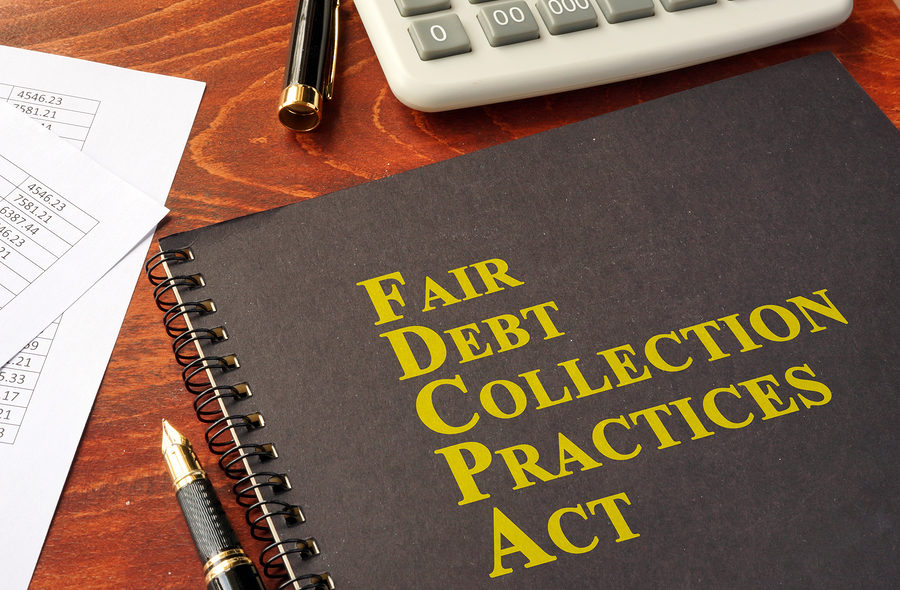
As soon as creditors or debt collectors begin contacting the consumer regarding what he or she owes, the person may feel like he or she has no choice but to do whatever is being demanded of him or her. However, most consumers do not realize that they do, in fact, have rights when it comes to debt they owe. It helps to know what these rights are when debt collectors or creditors come calling.
Tips for Getting Your Debt Out of Collections
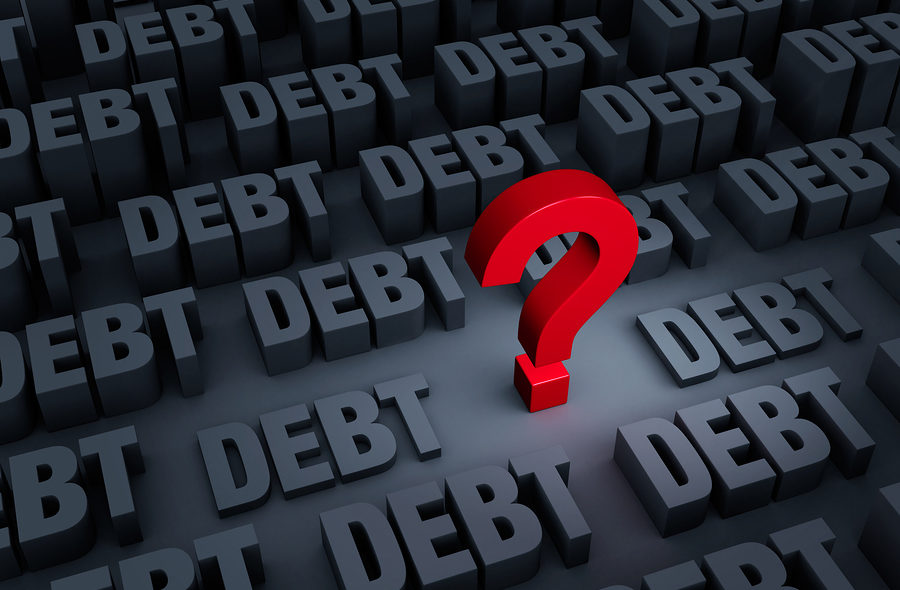
Getting out of debt can seem like a never-ending battle. Once someone falls behind on one or more bill payments, the debt collector calls can be relentless. The late fees and penalties that are often assessed on past-due accounts, not to mention the interest rate spikes that come along with missing a payment, can make getting back on one’s feet nearly impossible. There are certain steps that can help consumers who are facing these types of situations get out of debt and stay out.
Remain Calm.
It can be easy to react out of stress or panic and make decisions that someone would not normally have made, especially when dealing with debt collectors. It is important that whatever decisions are made by the consumer are ones that are carefully considered and logical. Many consumers may react out of fear and enter into payment agreements that they would not normally agree with and cannot realistically afford just to get the debt collector to back down. The aggressive techniques used by many debt collectors have this motive in mind. Make sure you understand and get the terms in writing, first. Never agree immediately to a payment arrangement over the phone with a debt collector.
The Adverse Effects Debt Has on Mental Health

Carrying any amount of debt can be stressful, but when an individual is carrying a sizeable amount of debt, the effect that debt has on the individual’s well-being can be detrimental. According to a 2017 study published by the Journal of Consumer Research, the likelihood that an individual struggling to handle his or her debt will end up with a mental health issue is three times higher when compared to someone who does not have debt.
One major reason someone struggling with debt may suffer emotionally has a lot to do with the fact that most people keep their feelings regarding debt to themselves and internalize the problem. However, the problem is, keeping these emotional struggles to oneself will only lead to more stress on that person’s mental health, leading to even worse problems, including depression and anxiety.
How Consumers Can Resolve Their Debts with the IRS
Tax season is not always a happy time for everyone. While many consumers look forward to filing their tax returns to obtain their tax refunds, others are left with balances they owe to the IRS in the form of tax debt. The good news is relief options are available when dealing with the IRS.
Tax debt relief is available to individuals who owe the IRS money but are not able to pay on their debts. If a taxpayer anticipates having to pay any amount in taxes, it is important that he or she first determines how much that amount will be. It is best to first file your taxes to determine what the amount owed will be.
Entering Retirement with Student Loan Debt

An alarming number of Americans are entering retirement with student loan debt. Normally, student loan borrowers are between the ages of 18 to 39. However, a 2017 report issued by the Consumer Financial Protection Bureau, showed that people over the age of 60 are the fastest-growing sector of the U.S. population carrying student loan debt.
More than 2.8 million Americans over the age of 60 are carrying some type of student loan debt. This figure has skyrocketed from the 700,000 individuals reported in 2005. Between 2012 and 2017, the balance carried by people over the age of 60 nearly doubled from $12,100 in 2012 to $23,500 in 2017.
Debt Among Older Americans Reaches Record High Levels

American seniors have seen their debt levels increase significantly over the past two decades. It is estimated that the total debt load carried by American consumers over the age of 70 years old increased by 543% between 1999 and 2019. It now stands at a record high of $1.1 trillion, according to the Federal Reserve Bank of New York.
Individuals who were in their 60s saw their debt increase by 471%, bringing their total debt load to $2.14 trillion. Seniors were not the only group who saw large increases in their debt, but these two age groups saw the largest increases.
How Coronavirus (COVID-19) Testing Could Trigger Medical Debt

The coronavirus has many people worrying about what will happen if they contract the virus. Now that the virus has spread to parts of the U.S., Americans are concerned about whether they should get tested for the coronavirus if they experience flu-like symptoms. Since this virus is relatively new and not completely understood, its testing may not be covered by private health insurance. Out-of-pocket medical costs can cost patients thousands of dollars, if the testing is not covered under their health insurance plan.
Florida businessman, Osmel Martinez Azcue reported experiencing flu-like symptoms after he returned from a trip to China in January. When he began experiencing the symptoms, Azcue went to the hospital to be tested for the virus. One of the tests he was offered at the hospital was a CT scan, which is one of the best methods used to detect the virus. He first went with the simple flu test to rule out the possibility that he was suffering from the common flu, which fortunately is what it turned out to be. For him, the CT scan was not necessary.