Credit Card Debt, Debt Relief, Medical Debt, student loan debt

Tips for Managing Student Loans, Medical Debt, Credit Cards and More

DMP - Debt Management Plan acronym, business concept background

Consumer debt encompasses several different categories. However, many people often struggle with the same few categories, mainly student loans, medical debt, and credit card debt. It helps to know how to attack the debt individually in each category if a consumer is looking to pay down their various debts.

Student Loan Debt

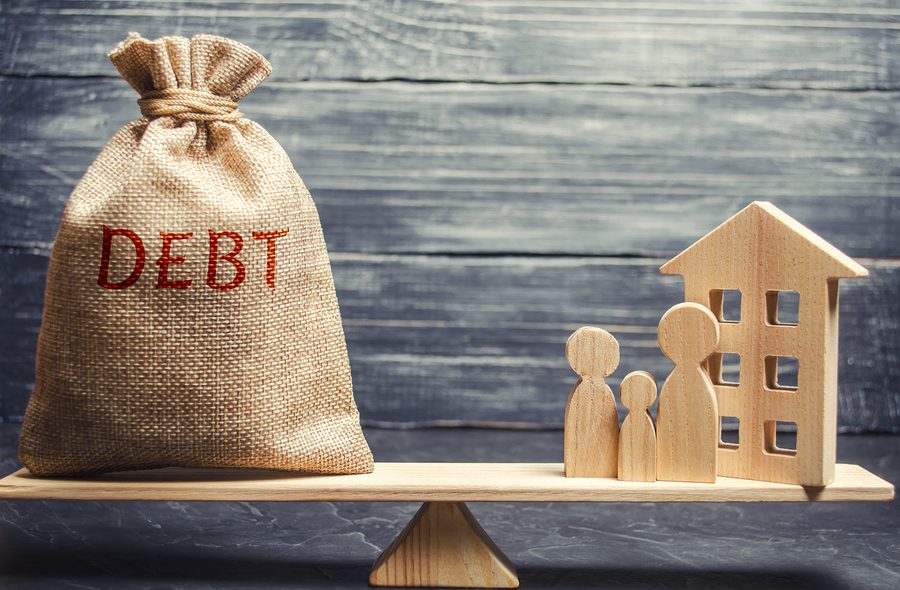
If you are struggling with student loan debt, you’re not alone. In fact, it has been reported that Americans carry over $1.5 trillion in student loan debt. This figure amounts to an average individual load of $32,731 per student. If the consumer proceeds towards a master’s degree or professional degree following graduation from undergraduate studies, that amount can get into six figures. Paying down that debt can be a struggle for many, especially during recent times. Currently, the federal government has issued a forbearance on all federal student loan debt during the COVID-19 crisis, which has been extended past September 30.

Bankruptcy Law, Business Bankruptcy

Cheesecake Factory, Dave & Busters & Outback Steakhouse Facing Bankruptcy

The coronavirus (COVID-19) pandemic has hit countless businesses hard, but the restaurant industry has been hit particularly hard.  According to a recent report from S&P Global, some popular large chain restaurants have made the list of businesses struggling to stay afloat.

Three restaurants are going through serious financial difficulties, namely the Cheesecake Factory, Dave & Busters and Bloomin’ Brands, the parent company of Outback Steakhouse.

Credit Score

Common Errors to Look for in Your Credit Report

Consumers should monitor their credit reports on a regular basis, or at the very least once a year. The three major credit reporting agencies allow free annual credit reports, which will pull information on the person’s credit history, including closed and open accounts, as well as several other pieces of important information. However, if the person reviewing the report does not know what to look for in the report, significant errors could be easily overlooked.

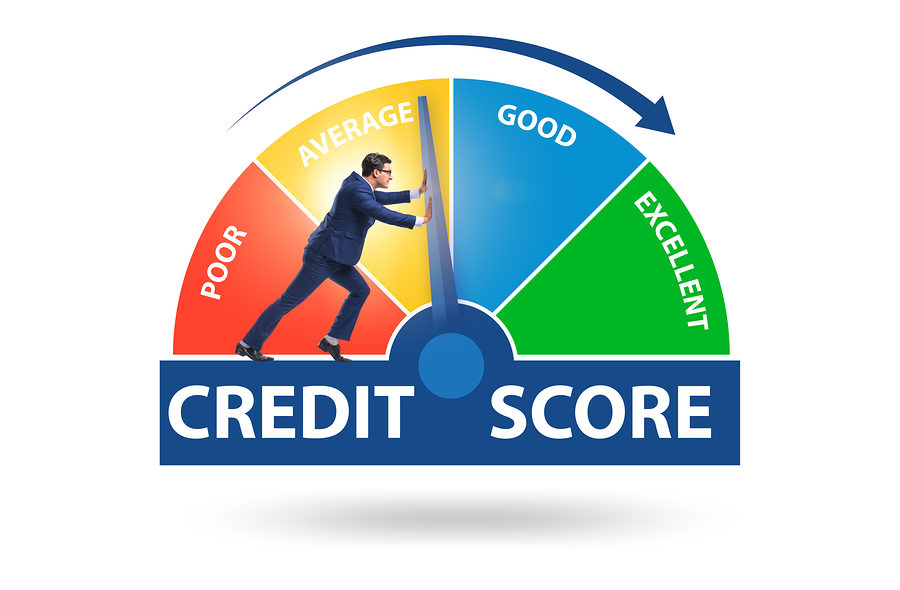
A credit report is an excellent way for lenders to get a good idea of how the potential borrower handles his or her credit and debts. This information usually is used to determine whether the borrower is a lending risk or a safe option. If something is on the person’s credit report that is not correct, it should be fixed as soon as possible to ensure that the individual’s credit score stays in the good range.

Debt Relief

The Budgeting Mistake That Could Be Keeping You in a Cycle of Debt

Creating a budget can be a challenge but sticking to one can be even harder. For someone who has less than perfect credit, the creation of an affordable monthly budget is crucial.

Consumers who have subprime credit scores, meaning their scores range between 580 and 669 on the FICO scoring model, often struggle with being able to handle a budget that not only meets their needs but actively works towards paying down debt.

Debt Relief

The Downsides of Using a For-Profit Debt Settlement Company

Carrying large amounts of debt is stressful, which is why many people turn to debt settlement companies to fix the problem. However, it pays to use caution when seeking solutions with consumer debt. Countless for-profit debt settlement companies exist, offering deals that seem too good to be true, hoping that they will be able to entice a consumer to use their service. Consumers who hire a for-profit debt settlement company often find there is more risk than reward.

Debt settlement companies are easy to find, whether on the internet or on TV commercials. We have all seen them.  These companies use lines such as– “Settle your debt for less than you owe”, “We work with your creditors to reduce your monthly payments,” etc.

Debt Collection, Debt Relief

Stopping a Wage Garnishment Once It Has Started

When dealing with a collection on a debt, the last thing a consumer wants is to face a garnishment of his or her wages to satisfy the debt. Many times, once the wage garnishment process has started, consumers fear that it is too late to do anything to stop it. It can be stopped, however, with quick action and the right steps taken.

Contact an Attorney.

The laws surrounding how to properly object to a wage garnishment can be complicated, and unless the individual is savvy with the legal system, costly mistakes can be made. Even if the person’s wages have already been garnished, consulting with an attorney is still advisable. The key is to act quickly since the law only allows a short window of time for a person to object to a legal proceeding.

Credit Card Debt

4 Cost Effective Ways to Pay Down Credit Card Debt

Paying down credit card debt can seem like a never-ending struggle.  As bankruptcy attorneys, we see credit card debt as one of the most common problems facing those with serious financial challenges.  It is not surprising with the high interest rates, unreasonable fees and penalties, and never-ending minimum payments that do not seem to make a dent in the total balance.

According to data from the New York Federal Reserve, the total national credit card debt being carried has hit $14.3 trillion, which represents a 1.1 percent increase from the previous quarter. One of the biggest problems’ consumers face when it comes to credit card debt is paying down a large balance or balances once they are incurred. However, certain tactics have been proven to be successful when it comes to paying off credit card debt.

Bankruptcy Law, COVID-19, Small Business Bankruptcy

Personal and Business Bankruptcies Increase in the Month of July

The number of individuals and businesses seeking bankruptcy protection increased last month, while the coronavirus (COVID-19) pandemic continues. Financial experts have predicted this jump for months since states began to shut down in mid-March.

According to the legal-services firm, Epiq Systems Inc., the number of businesses that have filed for Chapter 11 bankruptcy increased by 52 percent when compared to July 2019. Additionally, the number of personal bankruptcy cases have gone up. The number of personal bankruptcy filings are expected to increase, when the Covid-19 economic stimulus relief is cut or reduced.

Debt Relief

Debt Relief Services: Helpful or Harmful?

Although filing for bankruptcy can provide considerable relief to those who are facing insurmountable debt, bankruptcy is not always the best choice for everyone. While some may not qualify for bankruptcy, others may wish to use an alternative solution to solve their debt problems. This is where debt relief programs come in, claiming to help consumers negotiate with their creditors and provide a solution to settle the debt.

However, is it safe to use a national debt relief organization to resolve your debts? While some report positive experiences with these companies, others (many others) have reported negative experiences that resulted in them spending more money in the long run. Also, many consumers have been taken advantage of by debt relief companies that ended up collecting fees without actually providing any debt relief services.

student loan debt, Student Loans

5 Anticipated Student Loan Changes on the Horizon

Student loan debt has become a hot topic in Congress and on the 2020 presidential campaign. The current COVID-19 crisis further highlighted the issue, which has student loan experts anticipating several potential changes when it comes to student loan debt.

Temporary Pause for Payments

One of the more immediate changes comes with the federal stimulus package, the Coronavirus Aid, Relief, & Economic Security Act (CARES Act). This $2.2 trillion stimulus bill offered many different benefits, one of them being a pause for all payments due on federal student loans. This temporary stop is set to last through September 30, 2020. In addition, interest will not accrue on outstanding federal student loans during this period. However, this coverage only includes loans serviced directly by the federal government and not by private providers. If borrowers have loans that were originally federal but later consolidated through a private entity, no immediate pause will occur on these debts. This fact has not stopped many states from working out arrangements with student loan servicers to include private student loans in the temporary relief. Given the fact that the COVID-19 pandemic seems to be holding on, this forbearance period could potentially extend beyond September 30, 2020. The Heroes Act has already included a provision to extend the forbearance by one year, but it is not decided yet whether the extension will occur.