
Coronavirus, COVID-19, Debt Relief, student loan debt

New Legislation Provides Student Loan Forgiveness to Frontline Healthcare Workers

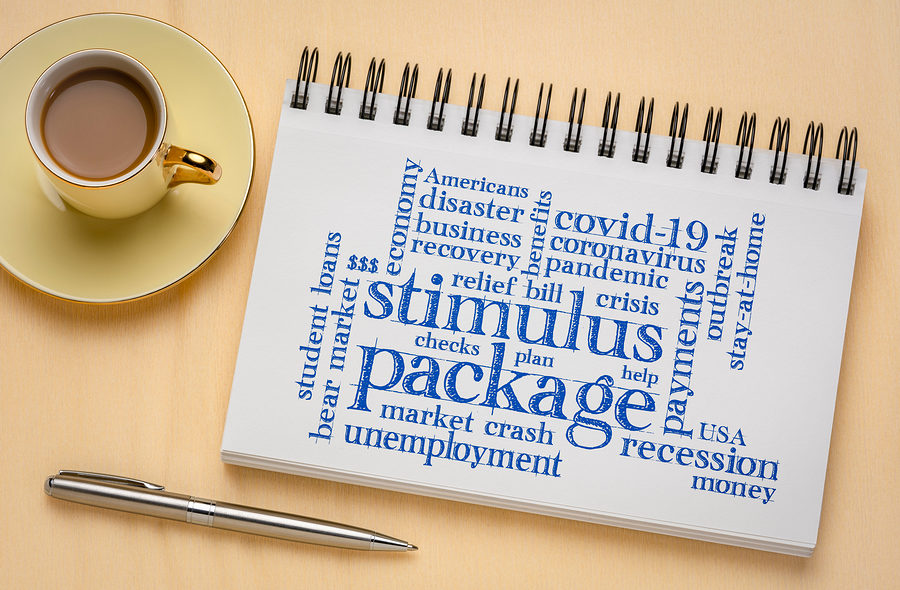
Healthcare workers on the frontlines are putting their lives at risk every day during the coronavirus (COVID-19) pandemic, which has many asking what can be done to financially help these dedicated individuals.

Rep. Carolyn Maloney (D-NY) plans to introduce new legislation that will do just that by forgiving outstanding student loan debt carried by these frontline healthcare workers. The legislation is titled The Student Debt Forgiveness for Frontline Health Care Workers Act. The hope behind this new legislation is that by forgiving student loan debt for these workers, a large financial burden will be lifted. Additionally, this incentive could possibly drive others to join the healthcare industry and continue the fight against COVID-19.

Coronavirus, COVID-19, Credit Card Debt

How to Keep Credit Card Debt Under Control During the Covid-19 Crisis

During the Covid-19 pandemic, many Americans have resorted to using credit cards to purchase basic living expenses. With many Americans out of work and stuck at home, this crisis has wreaked havoc on their finances.

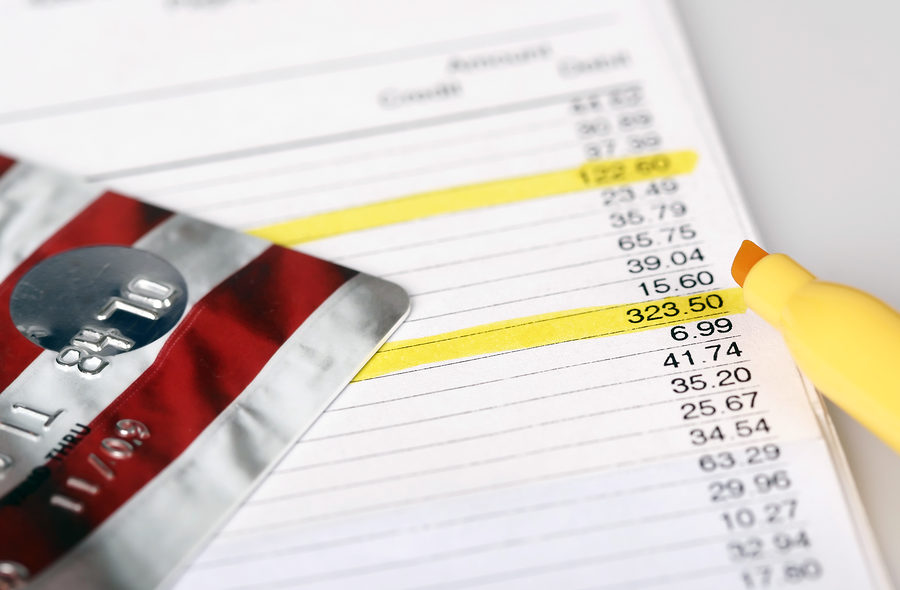
Analysts at Bankrate.com estimate that over 110 million consumers entered this crisis carrying credit card debt. A great portion of this debt was already incurred by paying for necessary living expenses, such as childcare and groceries, with credit credits. These expenses also included paying for repairs to cars or homes, as well as emergency medical expenses.

Bankruptcy Law, Debt Relief

Which Type of Bankruptcy Eliminates the Most Debts?

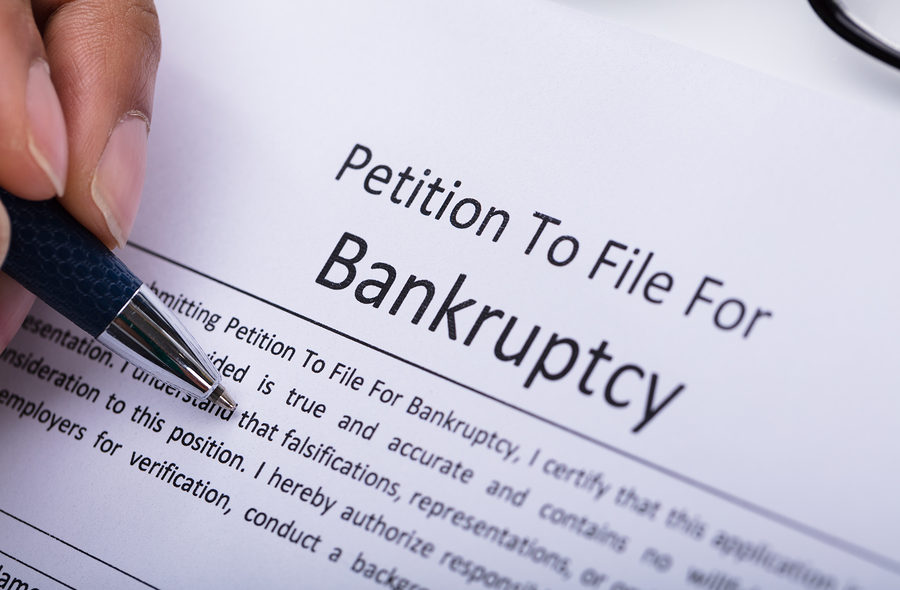
When it comes to filing for bankruptcy, several different options are available, depending on the filer’s financial situation and types of debt owed. Two of the most common forms of consumer bankruptcy filings are Chapter 7 and Chapter 13.

Chapter 7 is a liquidation bankruptcy that wipes out most of your general unsecured debts such as credit cards and medical bills without the need to pay back balances through a repayment plan.

Coronavirus, COVID-19, Credit Card Debt, Debt Relief

How to Manage Credit Card Debt After Losing a Job

Many South Floridians are finding themselves out of work due to the coronavirus (COVID-19) pandemic. This loss of income can be devastating and make it difficult to continue paying monthly expenses, including credit card debt.

Before the crisis hit, credit card debt had reached an all-time high after the Federal Reserve reported that the fourth-quarter of 2019 credit card debt increased by $46 billion to $930 billion nationwide. It is expected that balances will only increase as Americans find themselves shut in with limited income being earned. Additionally, serious delinquencies were on the rise at the end of 2019, and these numbers are also expected to trend upward, specifically for consumers between the ages of 18 and 29.

Bankruptcy Law, Credit Score

Tips for Rebuilding Credit After Bankruptcy

Filing for bankruptcy allows people to get a fresh start financially and erase past debts, but a legitimate concern many consumers have is the effect it will have on their credit score and their ability to take out credit, again.

One of the biggest misconceptions about filing for bankruptcy is that it will ruin your credit score and your financial future.  To the contrary, after filing for bankruptcy you can begin restoring your credit right away.

Bankruptcy Law, COVID-19, Debt Relief

Unemployment Skyrockets as a Record Number of Bankruptcies Anticipated

The coronavirus (COVID-19) crisis has hit the American economy hard, which is evident in the number of unemployment claims being filed. It has been reported that approximately 17 million American workers have filed for unemployment over the course of three weeks after many businesses have shuttered.

Research from three different Federal Reserve banks have shown that bankruptcies related to the economic downturn from the COVID-19 crisis could increase by 200,000 to reach a record 1 million filings. However, this increase is possible only if government stimulus programs do not offset this increase.

Coronavirus, COVID-19, Debt Relief

Tips for Dealing with Debt During the Coronavirus

The coronavirus (COVID-19) crisis has hit South Floridians hard. With stay at home orders issued, many are finding themselves out of work and stuck at home. Many have lost their jobs due to temporary or even permanent layoffs. Without a reliable source of income, these individuals may find themselves struggling to pay their bills. The following tips can help consumers manage their debt during this difficult time.

Federal Student Loan Payments

Under the federal Coronavirus Aid, Relief and Economic Security Act or CARES Act, which was signed into law by President Trump on March 27, 2020, federal student loan payments held by the U.S. Department of Education will be suspended for a period of six months with no interest accruing until September 30, 2020. This payment suspension occurs automatically and does not need to be requested by the individual.

Coronavirus, COVID-19, Debt Relief

How to Receive Financial Help During the COVID-19 Crisis

The coronavirus (COVID-19) has hit our nation’s economy hard, with many Americans finding themselves suddenly out of work.  Countless small businesses have had to close their doors due to the spread of the coronavirus. Financial assistance is available during the COVID-19 crisis.

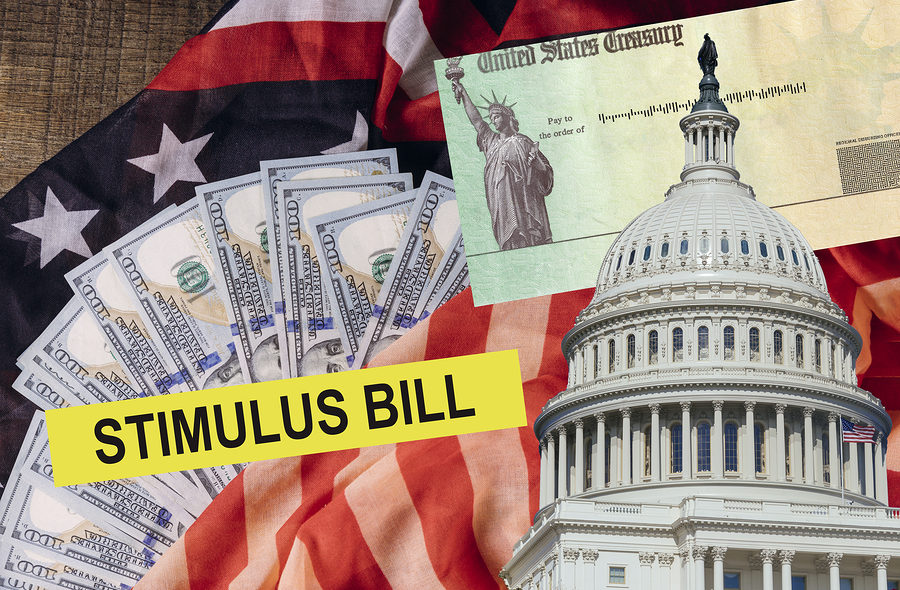
A record number of American workers filed for unemployment last week, which totaled 3.28 million people. The biggest form of financial help comes in the form of a recent $2.2 trillion stimulus package passed by Congress just last week. President Trump signed the stimulus bill into law on March 27, 2020.

Coronavirus, COVID-19, student loan debt, Student Loans

How Student Loan Borrowers Will Benefit from the Stimulus Bill

The recently passed $2.2 trillion stimulus bill provides several different forms of financial assistance for American consumers during the current coronavirus (COVID-19) crisis. The new bill also provides options for student loan borrowers who are struggling to keep up on their loan payments, which comes as good news for the over 44 million borrowers holding more than $1.5 trillion in outstanding student loan debt.

Borrowers who have federally owned student loans will not have to pay on their loans through at least September 30, including Parent PLUS Loans. This payment suspension will occur automatically and does not need to be requested by the borrower.

Bankruptcy Law, Credit Card Debt, Debt Collection, Debt Relief

Tips for Gen. X’ers Battling Credit Card Debt

Credit card debt is a problem that countless consumers struggle with. But according to recent data provided by Experian, Gen X consumers carry more credit card debt than any other generation.

Experian’s data showed that Gen X holds the highest average credit card balances at $8,658. As members of Gen X approach middle age, many of them raising families, they are also struggling to pay down credit card debt they have been holding since their 20s.